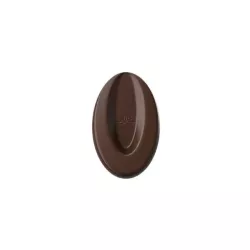
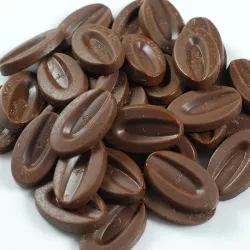
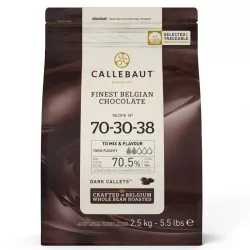
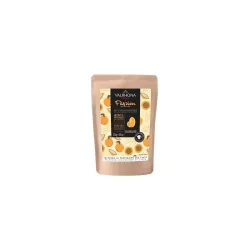
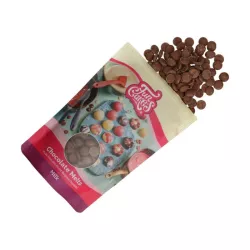
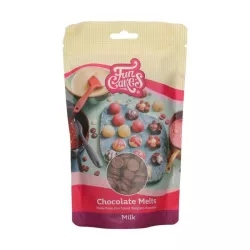
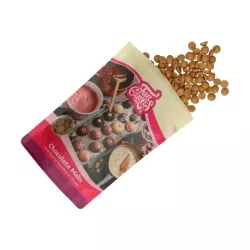
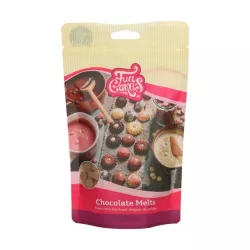
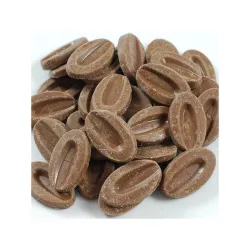
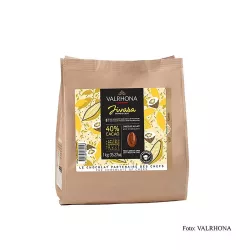
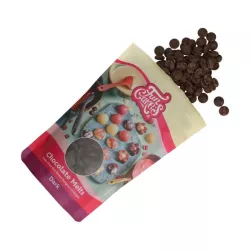
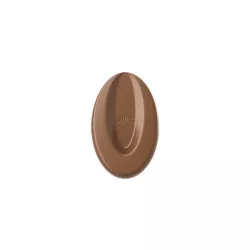
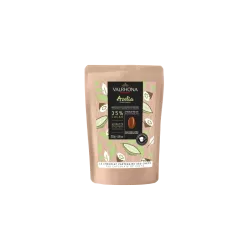
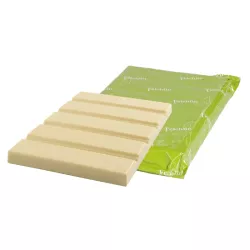
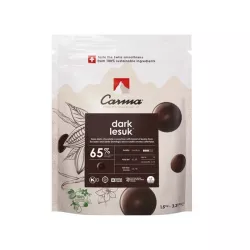
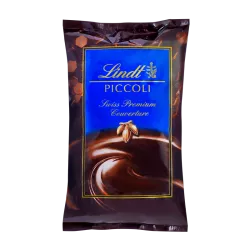
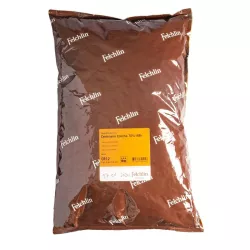
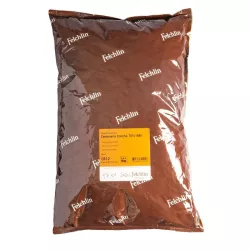
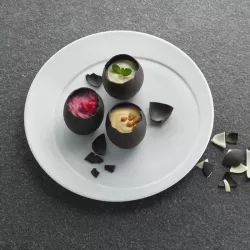
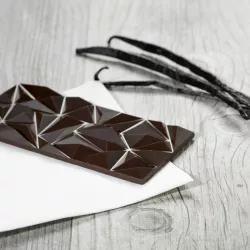
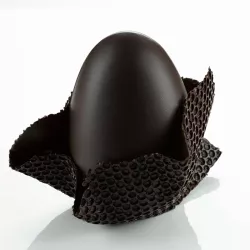
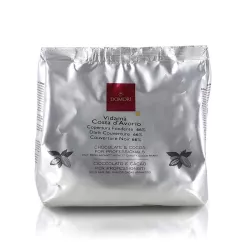
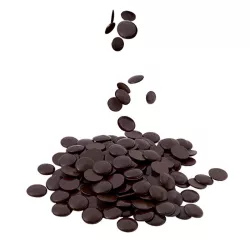
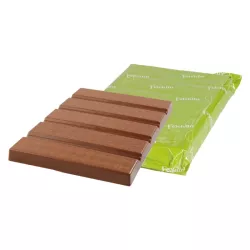
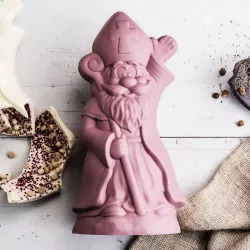
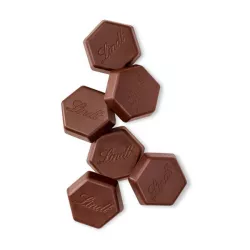
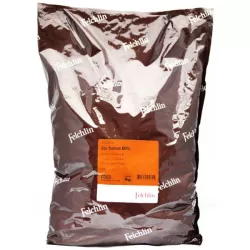
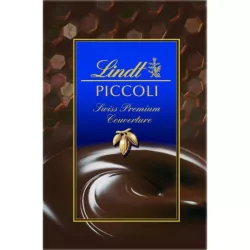
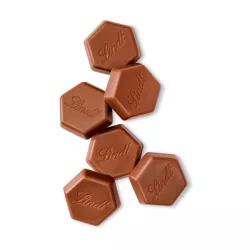
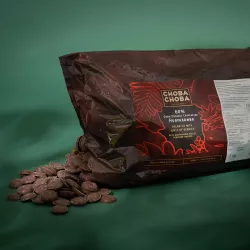
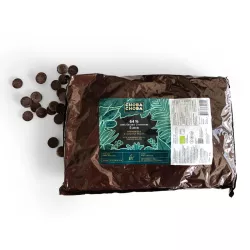
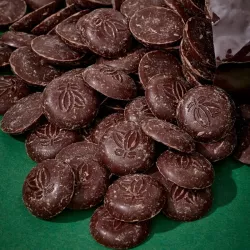
Couverture chocolate contains considerably more cocoa butter than ordinary eating chocolate, which makes it beautifully fluid once melted. That is why pastry chefs and chocolatiers work with couverture: it can be tempered, coats pralines in a wafer-thin layer, produces glossy hollow figures with a clean snap and gives reliably smooth ganache. Our range covers the Belgian brand Callebaut, the Swiss makers Felchlin, Carma and Lindt, France’s Valrhona as well as Domori and Choba Choba – in packs from 250 g to 2.5 kg.
Dark, milk, white, ruby and gold: the types at a glance
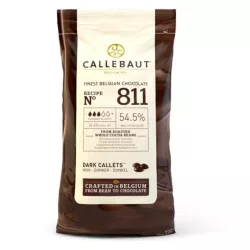
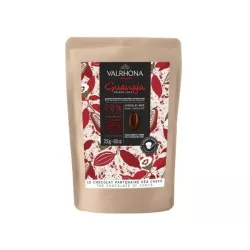
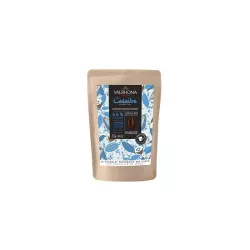
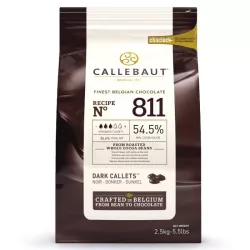
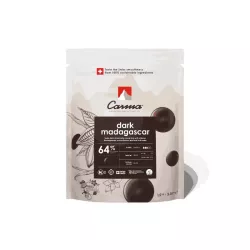
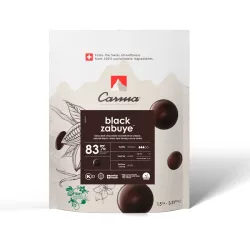
- Dark couverture (52–83 % cocoa): the all-rounder for ganache, mousse, brownies and enrobing, for example Callebaut 54.5 %, Felchlin Maracaibo 65 %, Valrhona Guanaja 70 % or the intense Carma Black Zabuye 83 %.
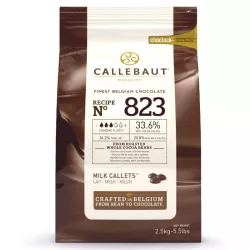
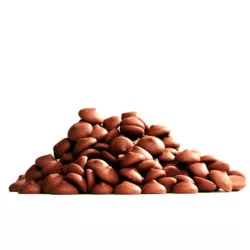
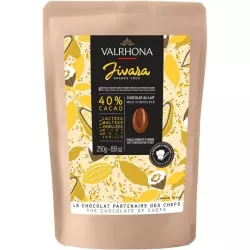
- Milk couverture (33.6–41 %): creamy and mellow, ideal for praline fillings and cake glazes – Callebaut 33.6 %, Felchlin Grand Cru Grenada 38 %, Valrhona Jivara 40 % or Choba Choba Pasiona 41 %.
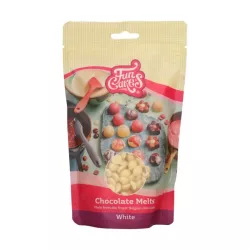
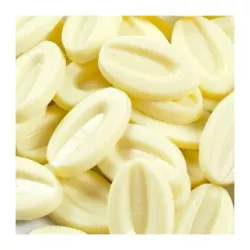
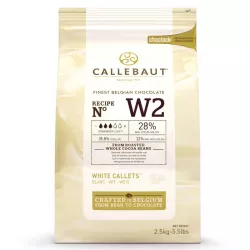
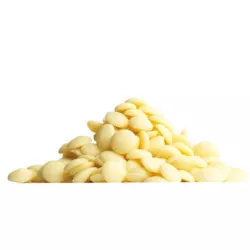
- White couverture (28–36 %): the base for pale ganache, coloured coatings and fruit fillings, such as Callebaut 28 %, Lindt Blancor 35 %, Valrhona Ivoire 35 % or Felchlin Edelweiss 36 %. Felchlin also makes an organic vegan version.
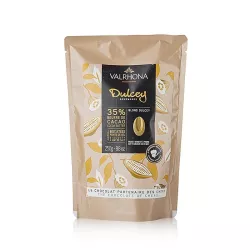
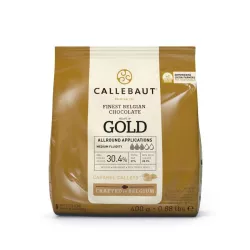
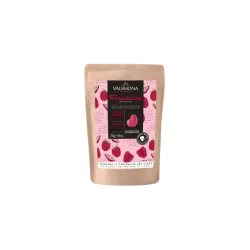
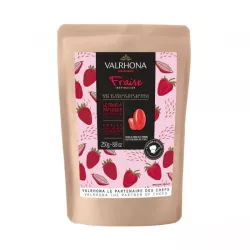
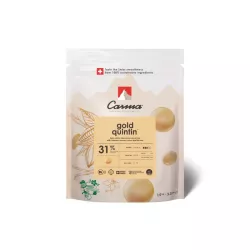
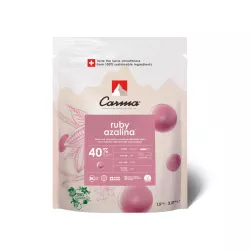
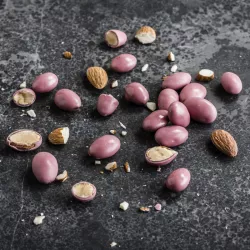
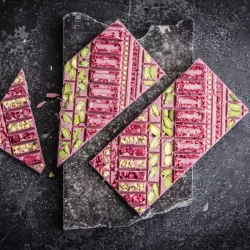
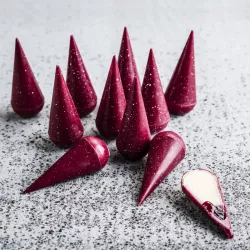
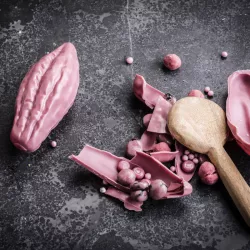
- Ruby, gold and blond: ruby couverture (Callebaut, Carma Azalina) is naturally pink with a light fruitiness; Callebaut Gold, Carma Gold Quintin and Valrhona Dulcey bring notes of caramel and biscuit.
The percentage shows the total cocoa content – cocoa mass plus cocoa butter. The higher the figure, the less sugar, the more intense the flavour and the firmer your ganache will set. At 70 % you will therefore need more cream than at 55 %.
How to choose the right couverture
If you are just starting out, we recommend Callebaut: consistent quality, forgiving to temper and also available in 400 g bags. For moulding pralines or thinly coating biscuits, pick a free-flowing couverture; for ganache, creams and doughs, fluidity hardly matters. Grand cru and single-origin couvertures such as Felchlin Bolivia 68 %, Domori Tanzania 68 % or Choba Choba come into their own when chocolate is the star – in a mousse, a tart or a plain bar. If you temper regularly, packs of 1 kg or more make sense, as a larger quantity holds its temperature more steadily.
Tempering and storage
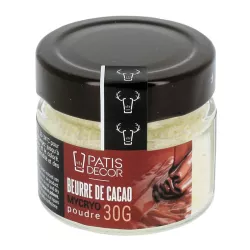
To give it gloss and snap, couverture needs to be tempered. As a guide: melt dark couverture to 45–50 °C, cool it to 27–28 °C and work it at 31–32 °C; milk at 29–30 °C, white at 28–29 °C. The exact values are printed on the pack. An easier route is cocoa butter powder (Mycryo): let the melted couverture cool to about 34 °C and stir in 1 % Mycryo. Store couverture somewhere dry and dark at 12–18 °C, tightly sealed and away from strong smells – never in the fridge.
Frequently asked questions about couverture chocolate
Can I use ordinary chocolate instead of couverture?
For baking, yes. For coating and moulding it is a poor substitute: with less cocoa butter it flows sluggishly and leaves thick, dull layers.
Do I always need to temper couverture?
Only when it will set visibly – pralines, coatings, bars and figures. For ganache, mousse, cream-based glazes or doughs, simply melting it gently is enough.
Why does my chocolate turn grey or streaky?
This is usually fat bloom: the couverture was not tempered correctly or went through temperature swings. White, rough patches point to moisture instead. Either way, you can melt it down and temper it again.
See also: Chocolate shells for pralines · Coloured cocoa butter · Chocolate and praline utensils
Recipe ideas on our blog: Chocolate recipe.
Couverture by brand
Callebaut couverture · Felchlin couverture · Carma couverture · Lindt couverture · Valrhona couverture · More couverture chocolate