Free shipping on orders of CHF 150 or more
Order by 4:00 p.m. - Next business day delivery
Over 8,000 products
Online shop only, no store
Wednesday, 21 October: Our customer service is unavailable due to internal training. Our warehouse is operating as normal.
Free shipping on orders of CHF 150 or more
Order by 4:00 p.m. - Next business day delivery
Over 8,000 products
Online shop only, no store
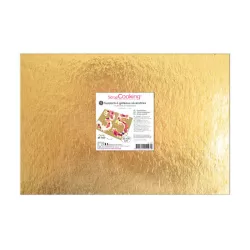
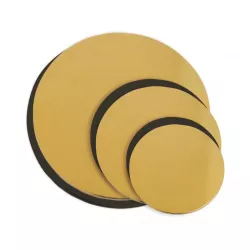
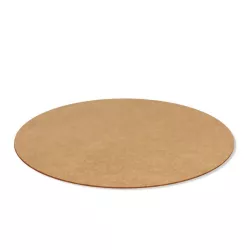
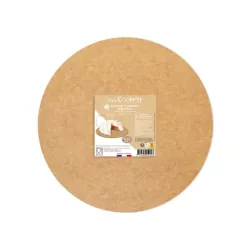
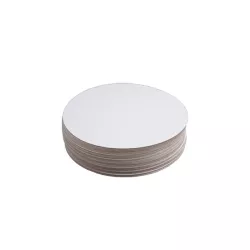
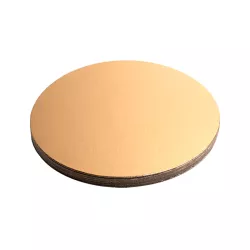
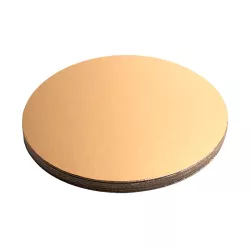
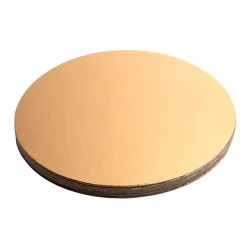
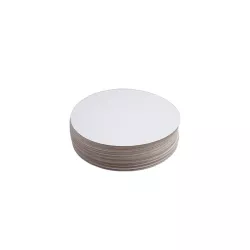
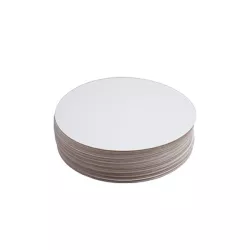
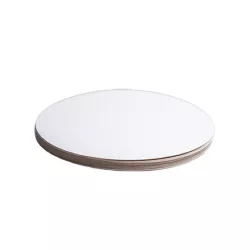
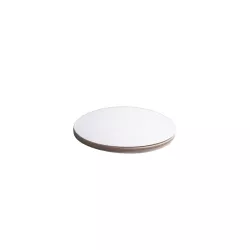
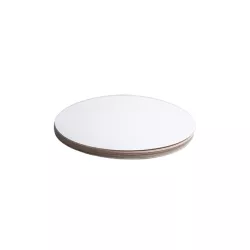
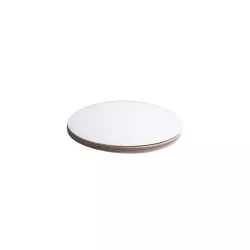
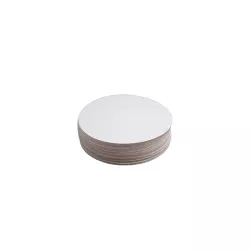
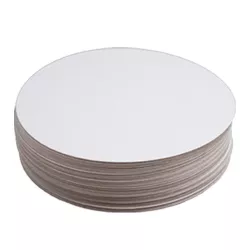
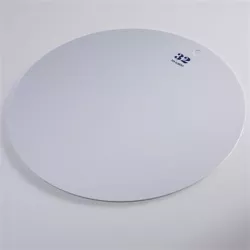
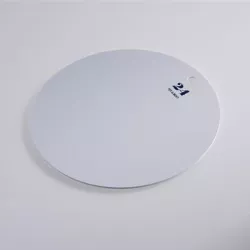
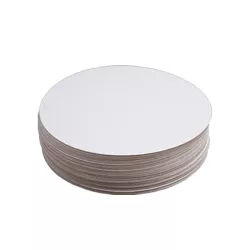
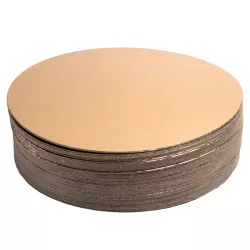
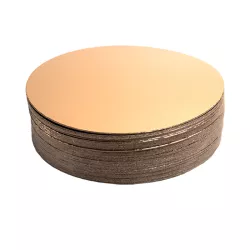
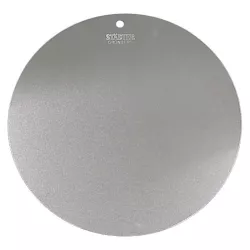
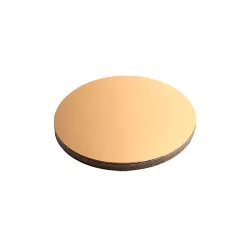
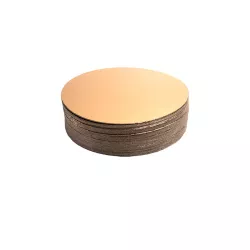
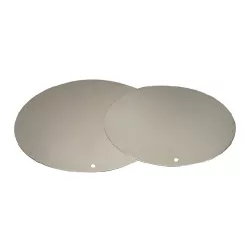
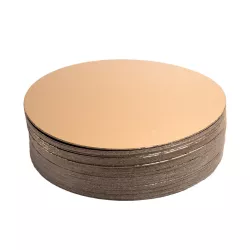
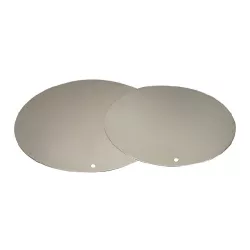
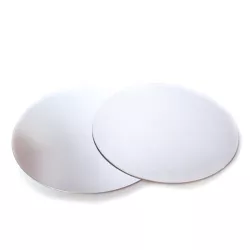
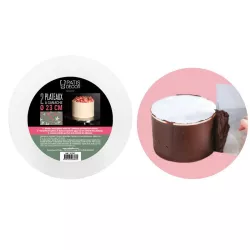
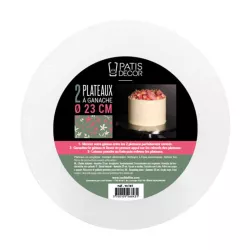
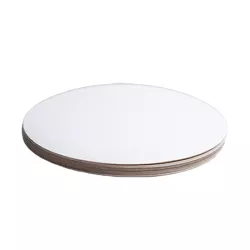
Cake circles and entremet bases are essential for building entremets, mousse cakes and cakes in a cake ring. The thin circle sits under the cake, supports it while you build it and makes it easy to move onto a serving plate or into a box. In this category you will find cake circles and bases from Ø 12 to Ø 34 cm in cardboard, plastic and aluminium, as well as rectangular and flower-shaped cake boards.
A cake circle is one of the most used tools in patisserie, at home and in professional kitchens alike. Typical uses include:
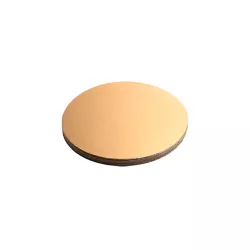
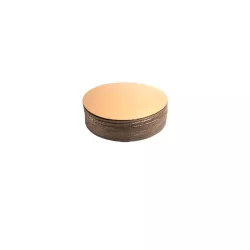
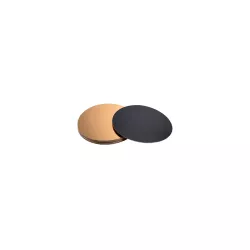
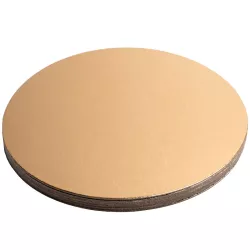
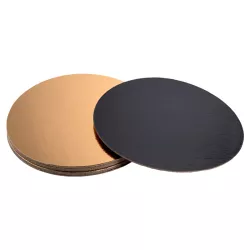
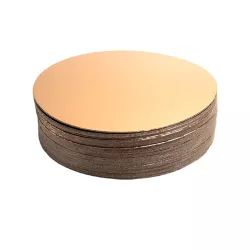
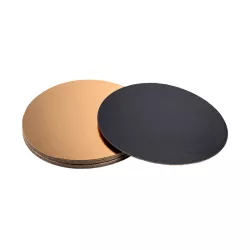
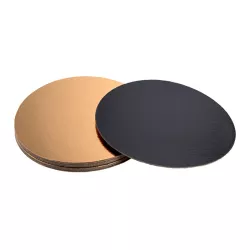
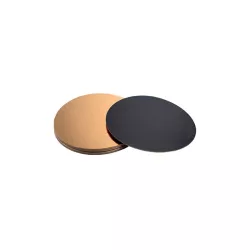
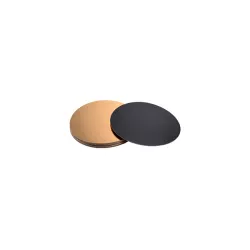
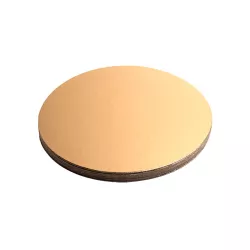
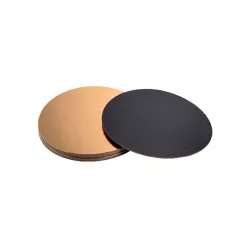
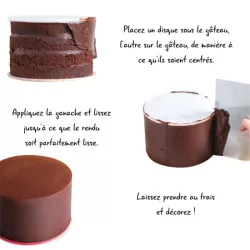
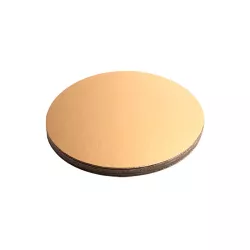
For an entremet, choose a circle the size of the ring or 1 to 2 cm smaller, so that it fits inside the ring and is not visible after glazing. For a cake built in a Ø 20 cm ring, a Ø 18 or 20 cm circle is ideal. The gold and black bases, on the other hand, are designed to be the same size as the cake and look elegant in a display counter or a windowed cake box.
If the cake is to be presented on a visible board, place it together with its circle on a larger, sturdier board, for example from the round cake boards in Cake boards & cake drums. For transport, choose a cake box from our cake packaging section. For tarts and cakes, the plastic bases and aluminium cake trays are a sturdy alternative. For small desserts, see our mini boards and pastry bases, for thin but larger boards our thin cake boards.
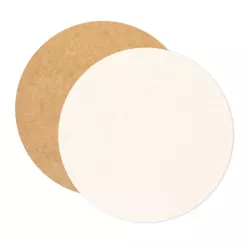
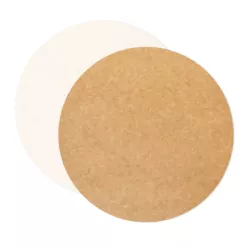
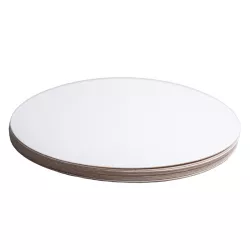
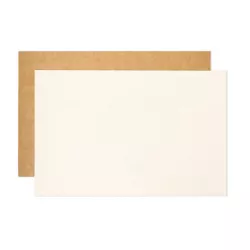
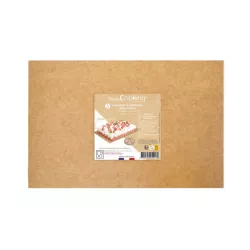
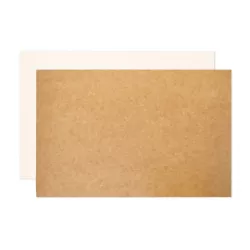
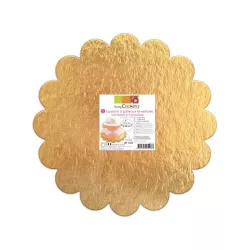
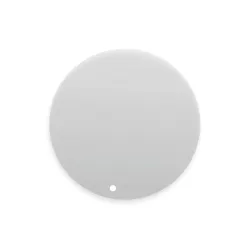
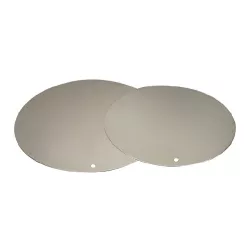
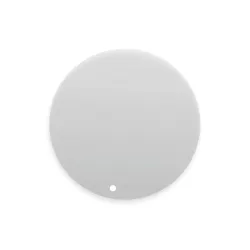
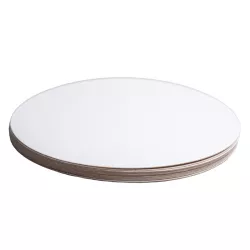
Not every cake is round. For traybakes, slices and square entremets, there are rectangular cake boards as well as reversible rectangular circles in kraft and white. The flower-shaped cake boards add a playful edge that suits Mother's Day, birthdays and spring cakes especially well. The plastic cake bases from Ø 20 to 34 cm keep their shape and are suitable for heavy fruit tarts. Extra thin is the white Ø 28 cm circle at 0.8 mm, ideal when the base should stay almost invisible under a large cake.
First check the diameter of your cake rings and tins, as this determines the size of the circle. Then decide whether the base will stay visible: white circles disappear under the cake, while gold/black and kraft double as decoration. For heavy or moist cakes, plastic or aluminium is a good choice. Finally, quantity: if you build cakes regularly, the larger packs save money.
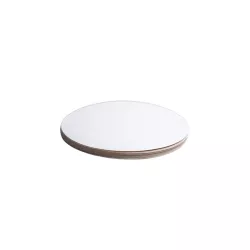
A cake circle is about 1 mm thin and sits directly under the cake. A cake board is 2 to 12 mm thick and usually larger than the cake.
For frequent use, for example in a patisserie, the packs of 50 are good value, in white or gold/black. For a few cakes, 5 or 10 are enough.
They serve as a sturdy base for building, chilling and moving cakes and tarts.
Choose a Ø 22 or 24 cm cake circle so that it fits inside the ring and does not show after glazing.
Yes, the cake stays on its circle and goes into the box with it. That way you never have to touch the finished cake directly.
Larger and thicker boards can be found in Cake boards & cake drums, matching boxes in the Boards & boxes section. Sponge and mousse turn out perfectly with our basic recipes.