
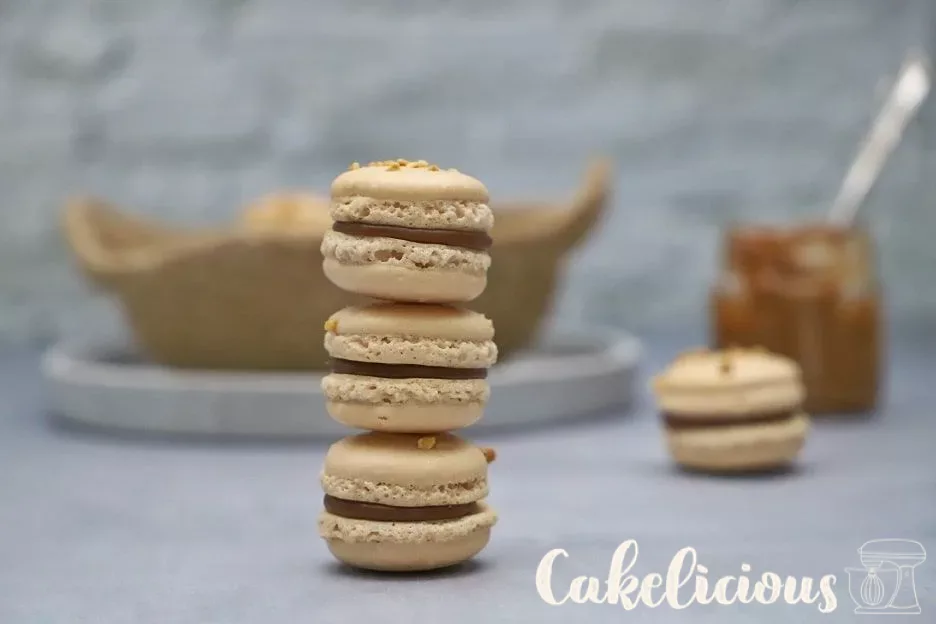
Praline Macarons
With French Meringue and creamy hazelnut praline ganache
Hello fellow food lovers,
the year is drawing to a close, and I'd like to share another macaron recipe with you: my praline macarons! This time with a French meringue.
Do you know the difference? With Italian meringue, a sugar syrup is heated to 118 °C and folded into the whipped egg whites. It holds its shape more reliably, needs no resting time, and gives an ultra-smooth surface. However, it is temperamental, the syrup stresses many bakers, and the shells end up less crisp on the outside and more fragile.
With French meringue, you simply whisk the egg whites with sugar, gradually, without any syrup. This is easier and more reliable for macaron beginners, and the shells turn out crisp on the outside and soft on the inside. However, piping is trickier because the batter deflates faster, and the surface can be slightly grainy.
Honestly, I always made my macarons with Italian meringue. Today I've changed my mind: the French batter was quicker and easier to work with, and the result is fantastic. I made the recipe four times and got the same perfect result every time. So, let's get started!
Ingredients
Macaron shells (70 pieces)
For sprinkling (optional)
Step by step
Praliné ganache
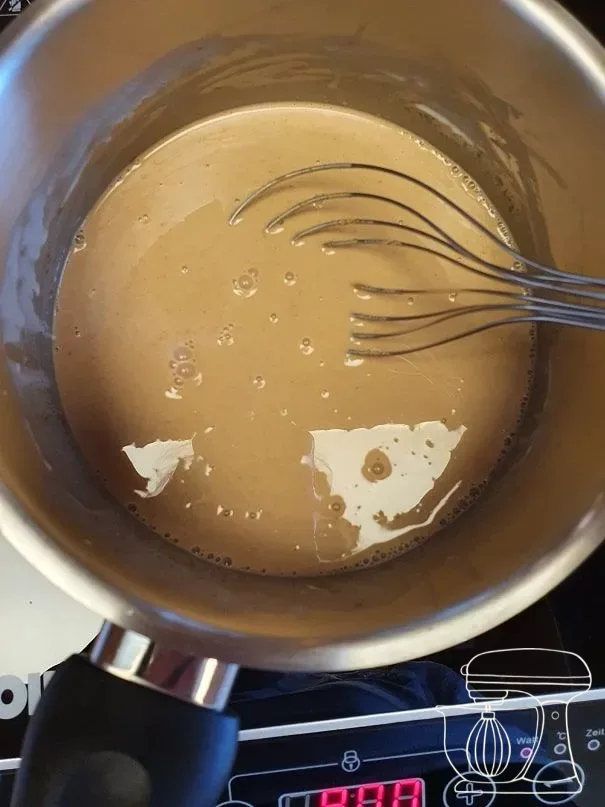
Bring the praline and cream to a boil
Start with the ganache, as it needs to chill well. Put 50 g Haselnuss-Praliné and 125 g full-fat cream into a saucepan, stir both together with a whisk and bring the mixture to the boil.
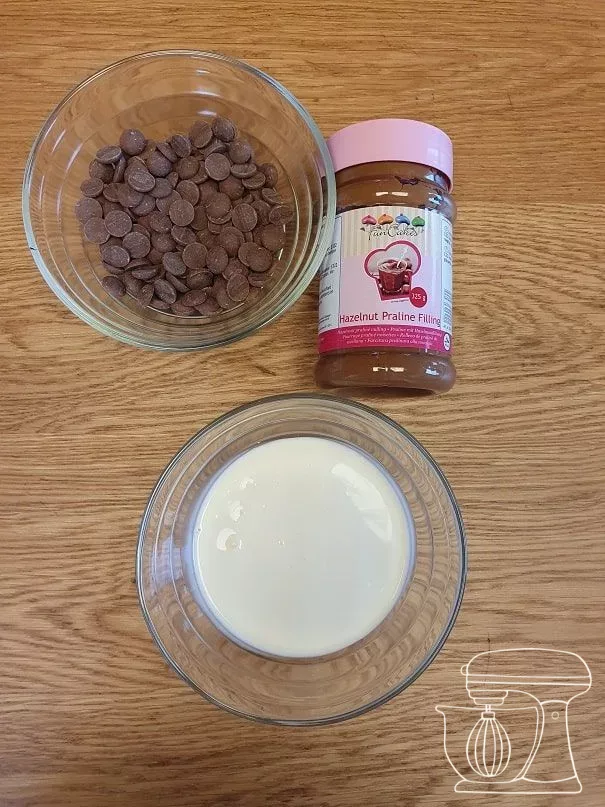
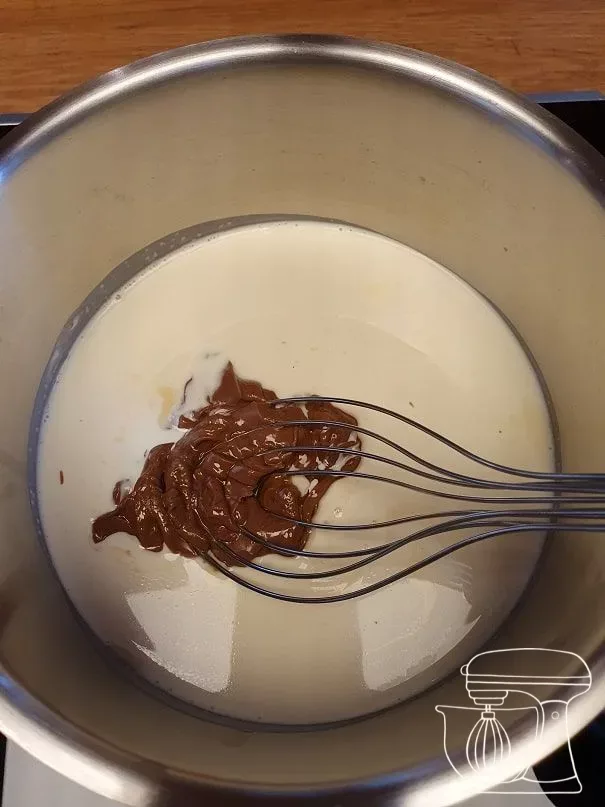
Hazelnut praline
Pour over the chocolate
Once the praline cream is boiling, take it off the heat and pour it over 125 g Milk chocolate in three portions. Stir gently with the whisk or dough scraper in between.
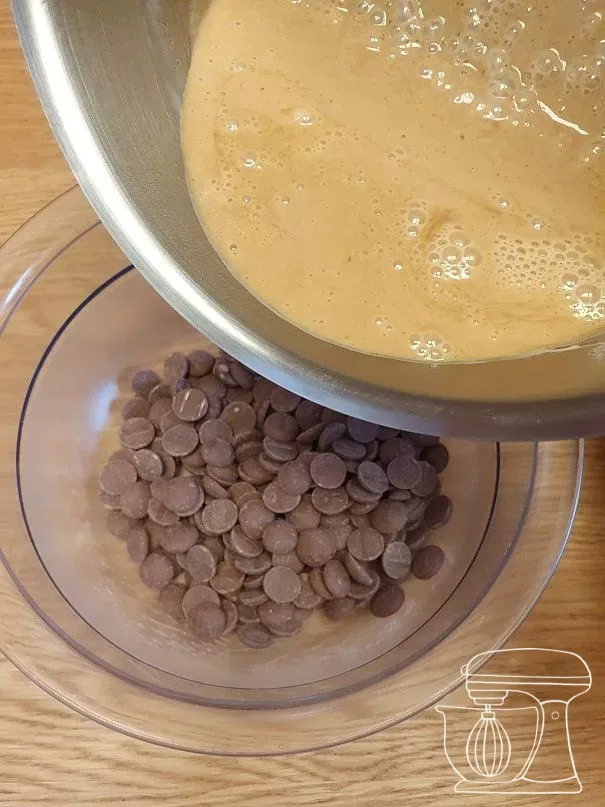
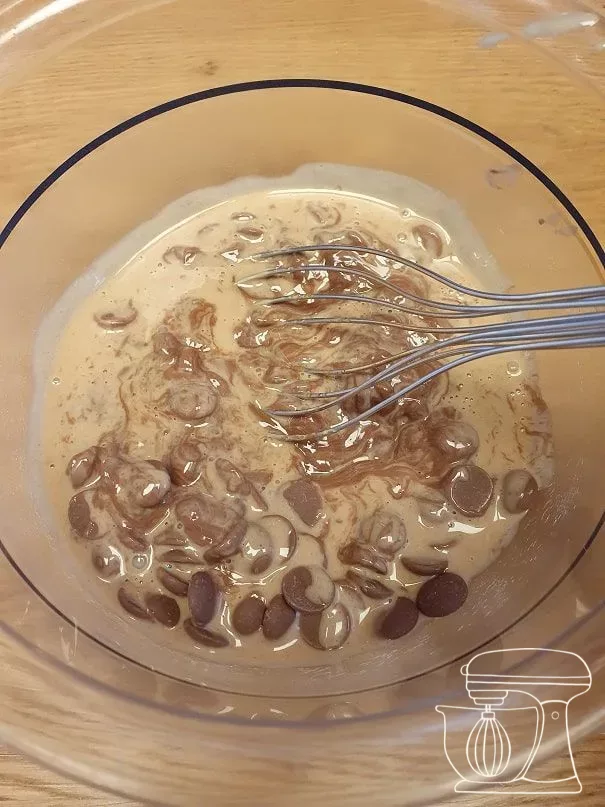
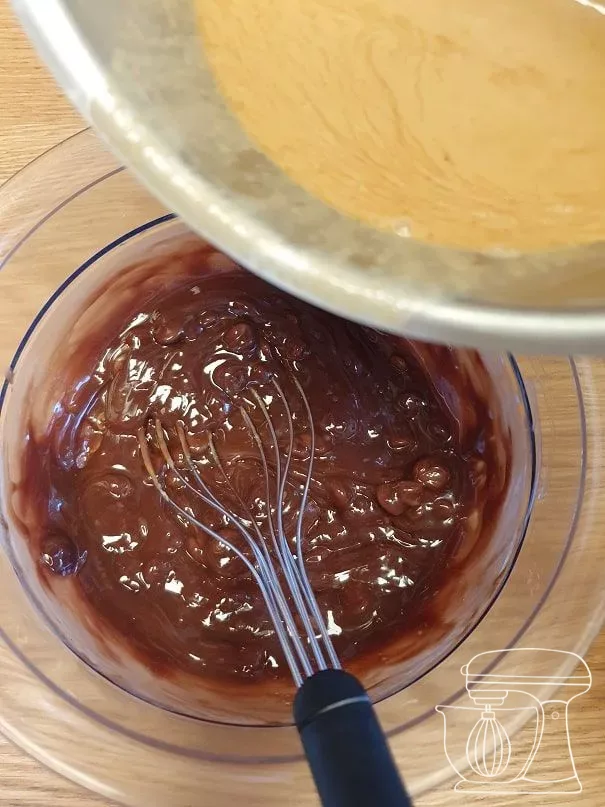
Milk chocolate for melting
Cover and chill
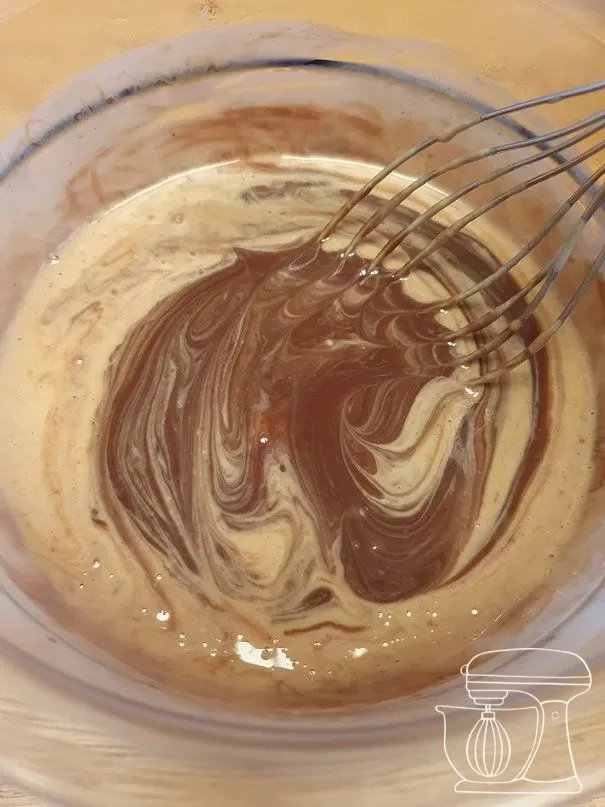
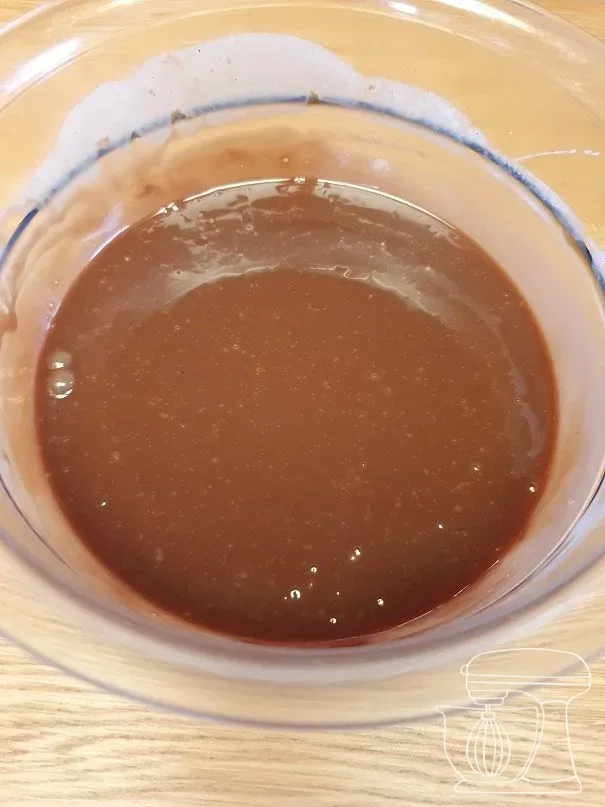
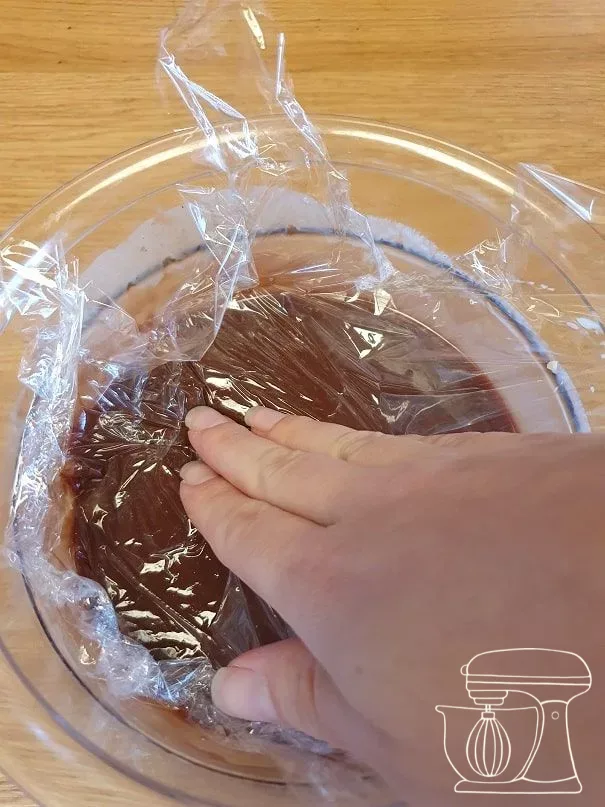
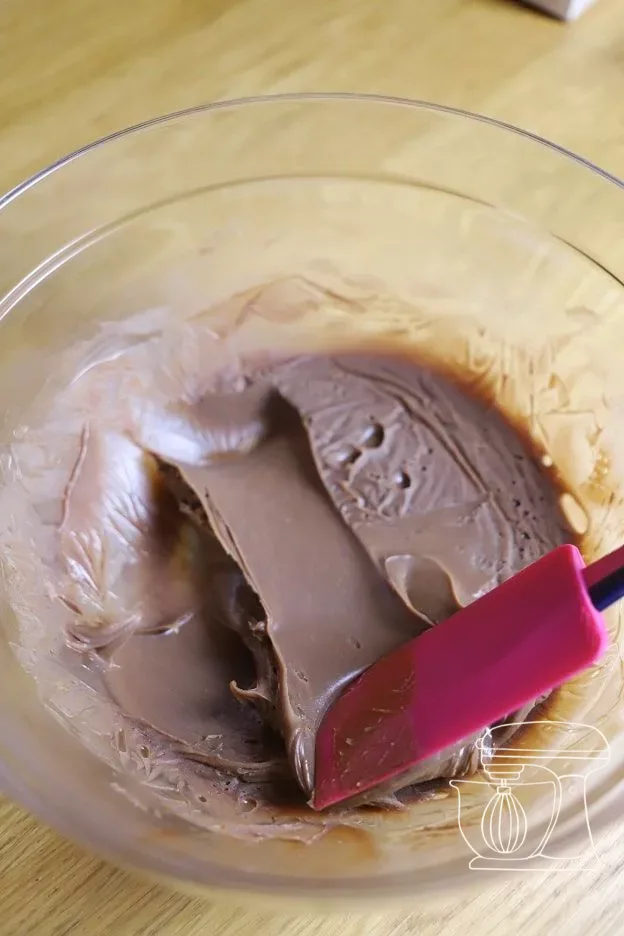
Once the ganache is smooth and homogeneous, lay cling film directly on the surface so that it touches the ganache. This prevents a skin from forming.
Chill the ganache in the fridge for at least 2 hours or overnight. You can also prepare it 1 to 2 days in advance without any problems.
Macaron shells
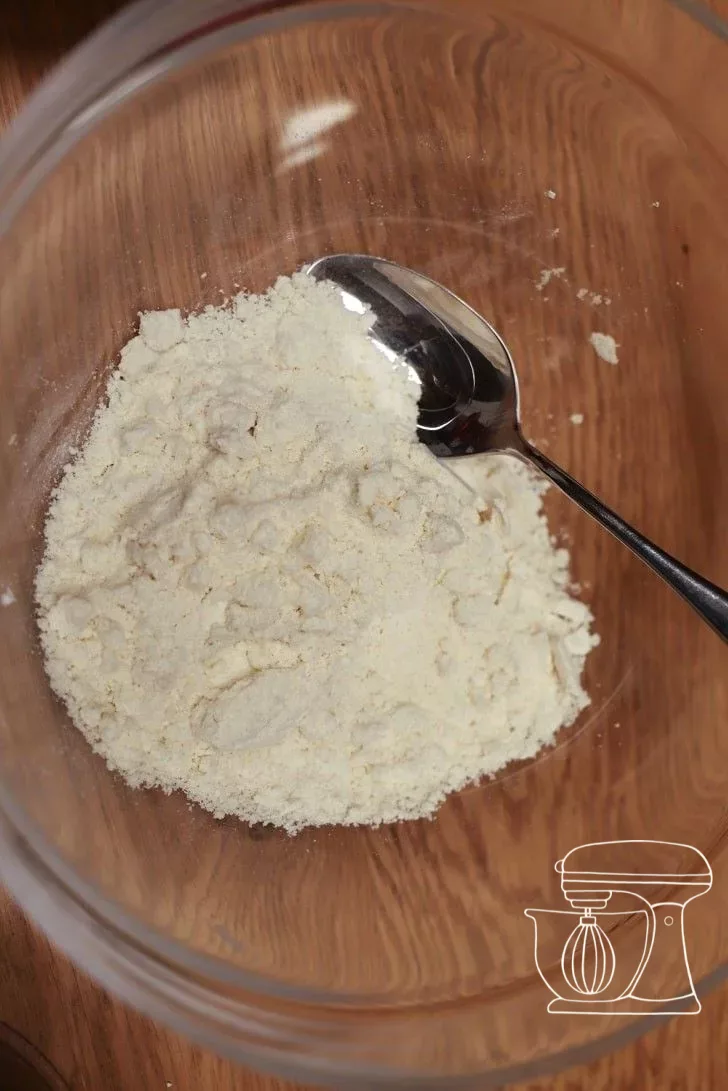
Mix the almond flour and icing sugar
Put 150 g almond flour and 150 g icing sugar into a large bowl and mix them together with a dough scraper.
The almond flour should be extra finely ground: ordinary ground almonds from the supermarket are too coarse. For the icing sugar, it's also worth choosing the finest variety you can find.
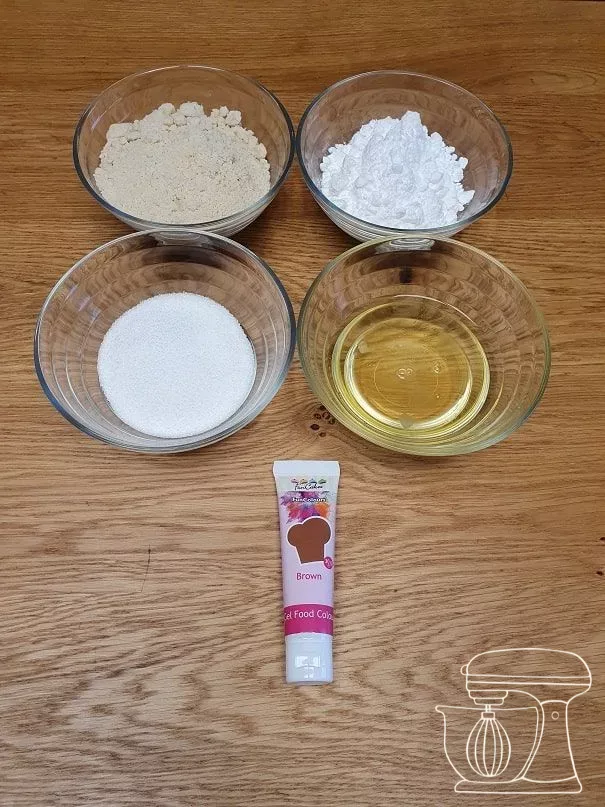
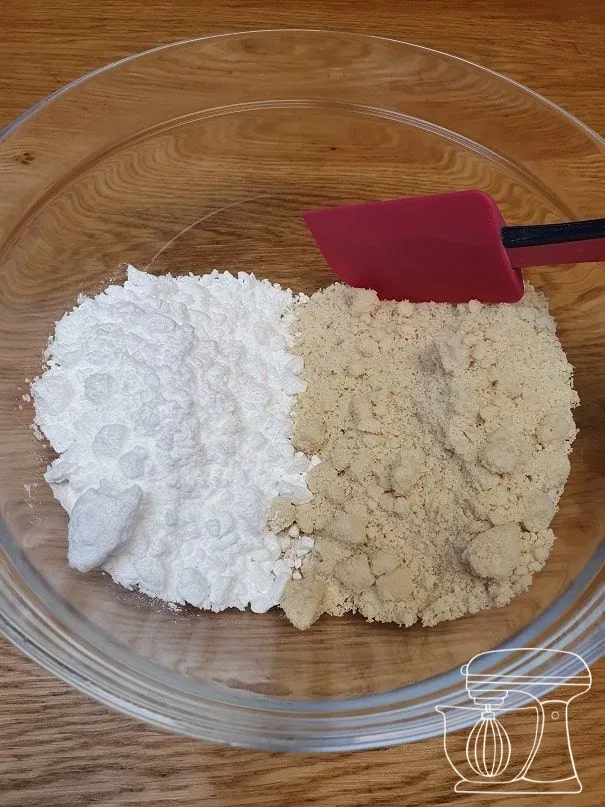
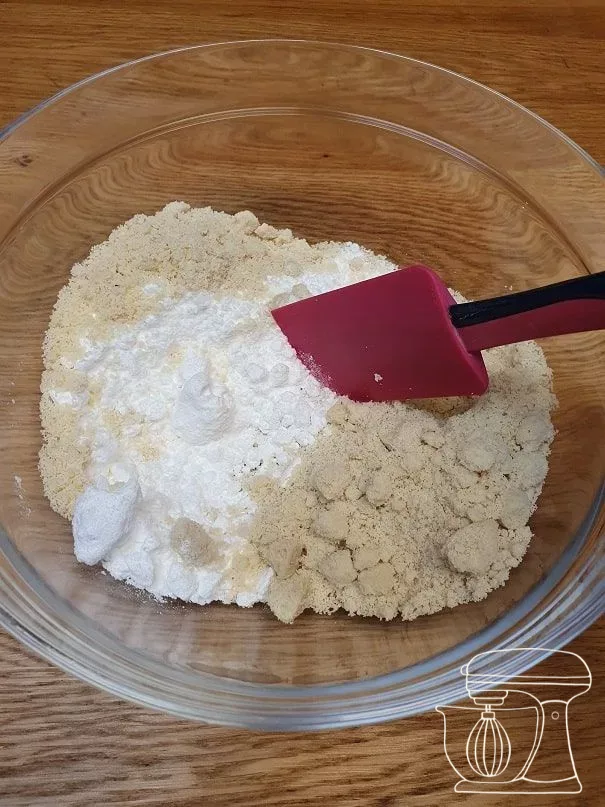
Extra fine white almond flour
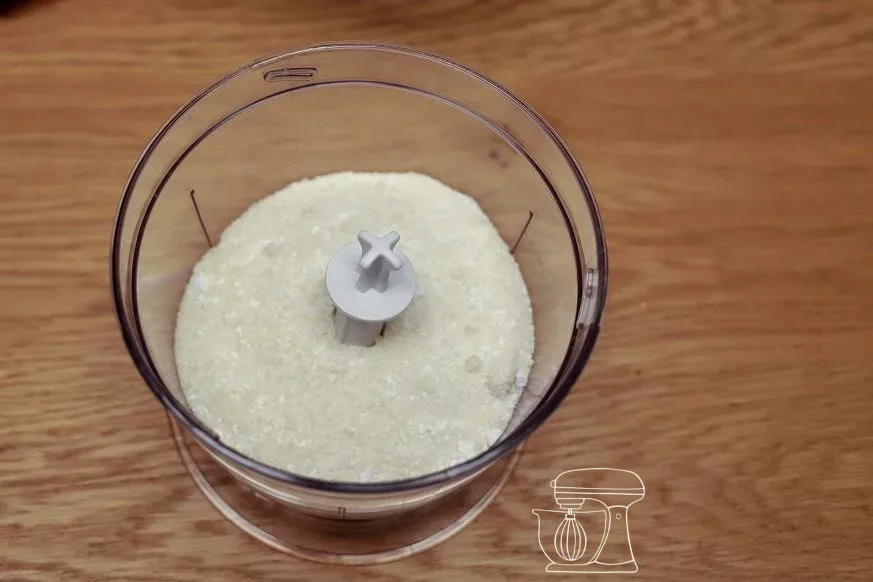
Blend finely
For an even finer texture, briefly blend the almond flour and icing sugar together in a food processor, always both at the same time. A simple blender is perfectly sufficient. Then set the mixture aside for a moment.
Whip the egg whites
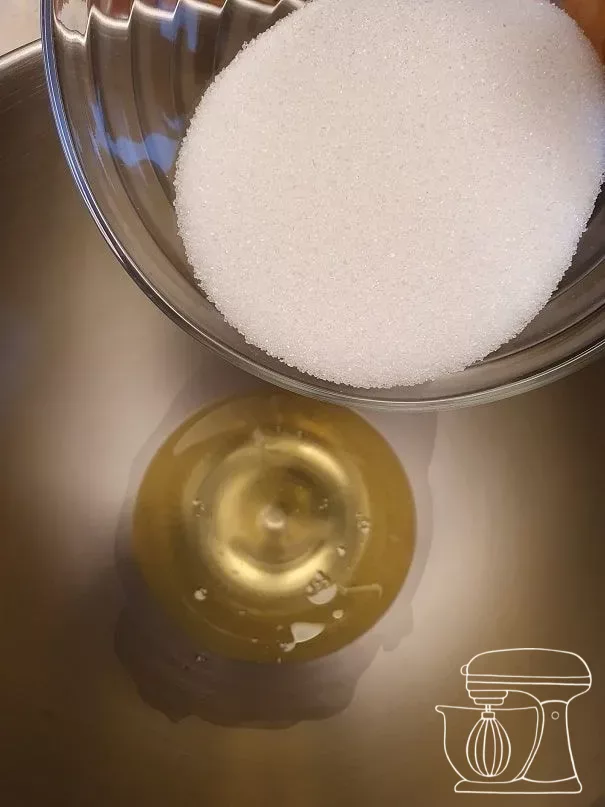
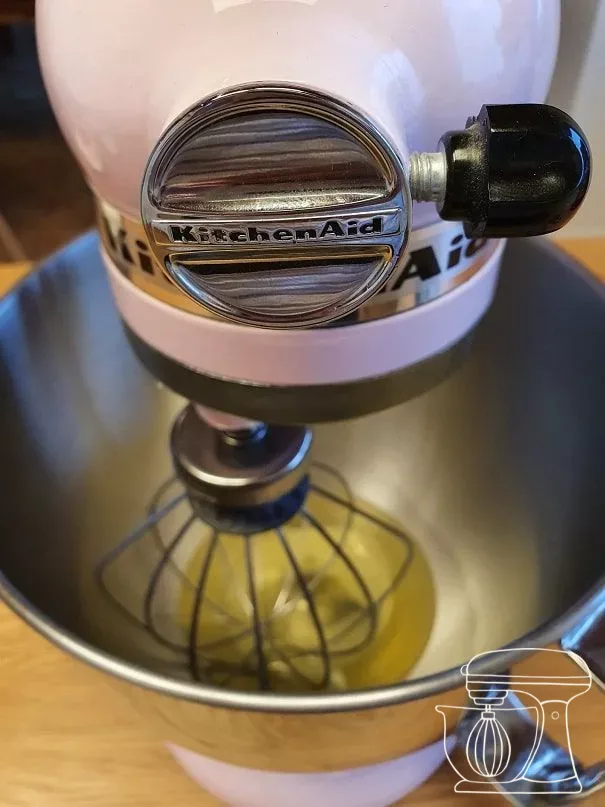
Put 120 g egg whites and 20 g caster sugar into a grease-free mixing bowl.
Important: the egg whites should come from eggs that are at least 10 days old. Or separate the eggs and store the egg whites in a sealed container in the fridge for 2 to 3 days so they can mature. This really makes a difference!
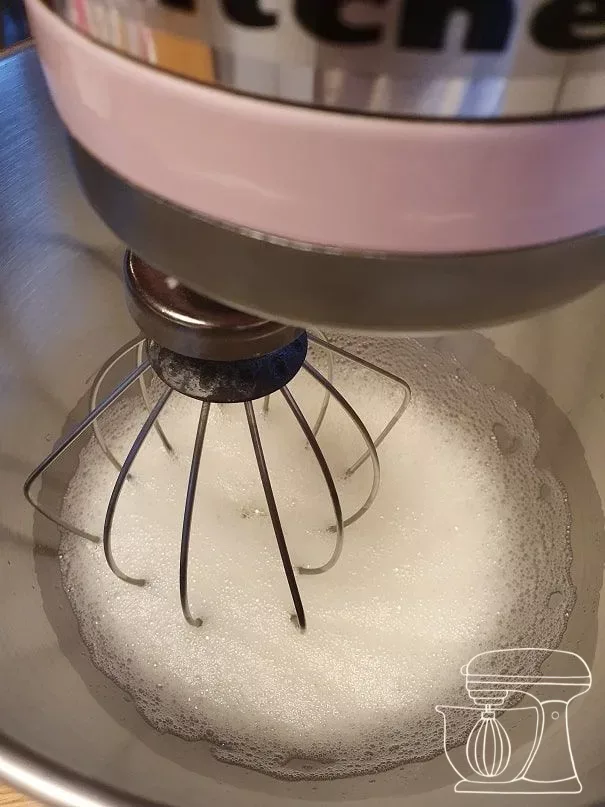
Whip the egg whites on medium speed until they become foamy. Medium, not high speed, is crucial here.
Whip the meringue until firm
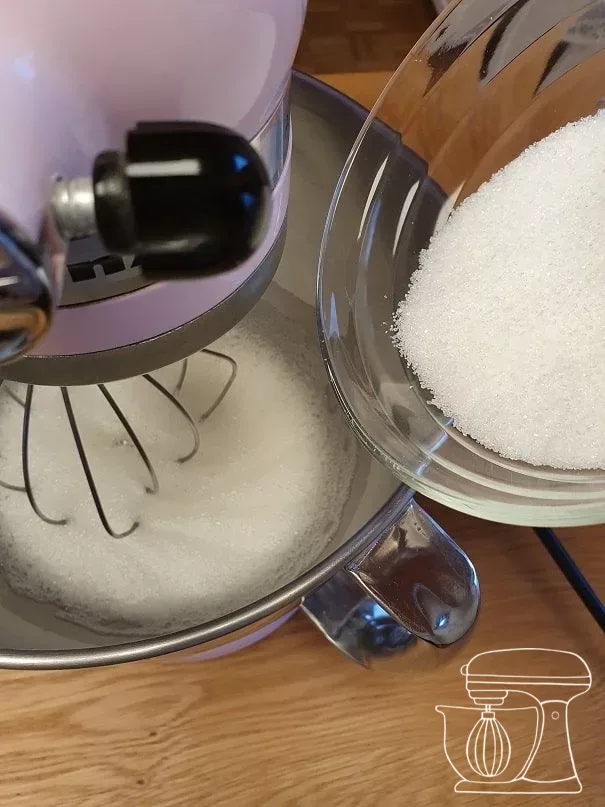
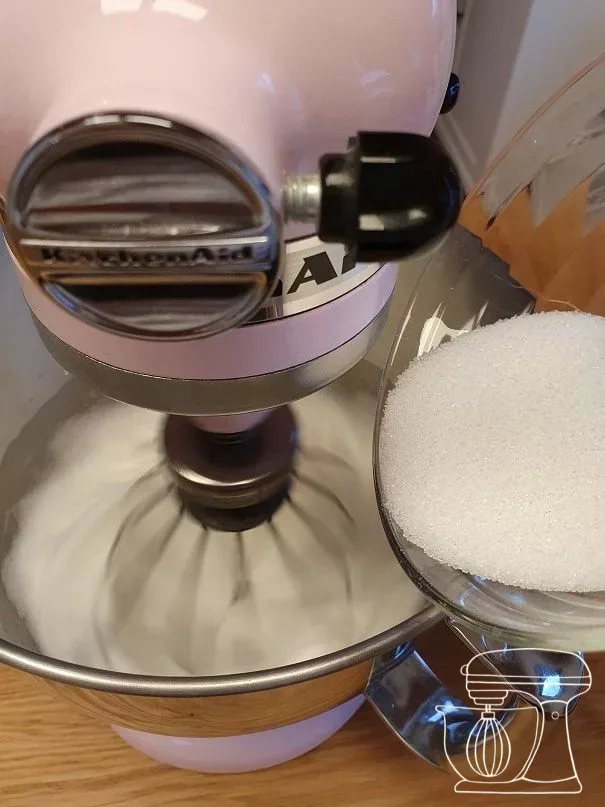
Once the egg whites are foamy, slowly add the remaining 100 g caster sugar, little by little.
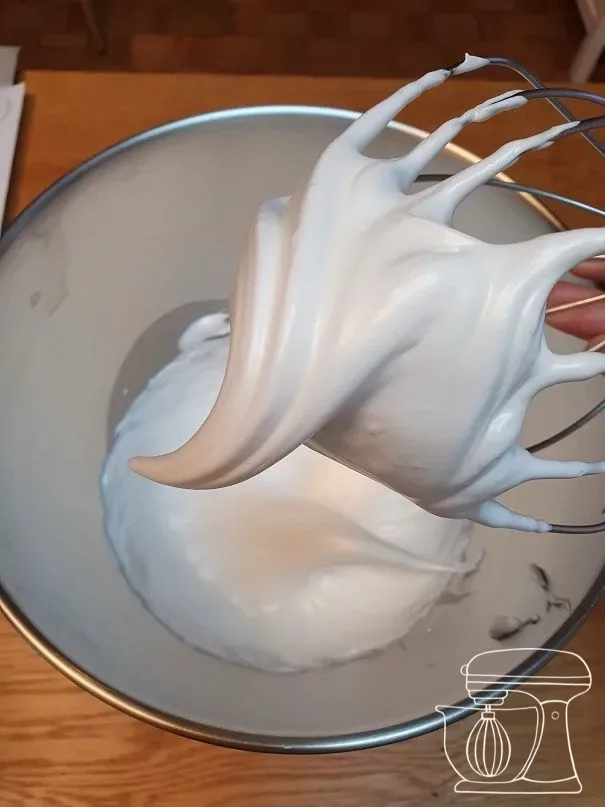
Keep whipping the meringue until it forms a nice, firm peak. The meringue really must be firm, as this is important for everything that follows: if it is too runny, the mixture will collapse later on.
Colouring and folding in the almond mixture
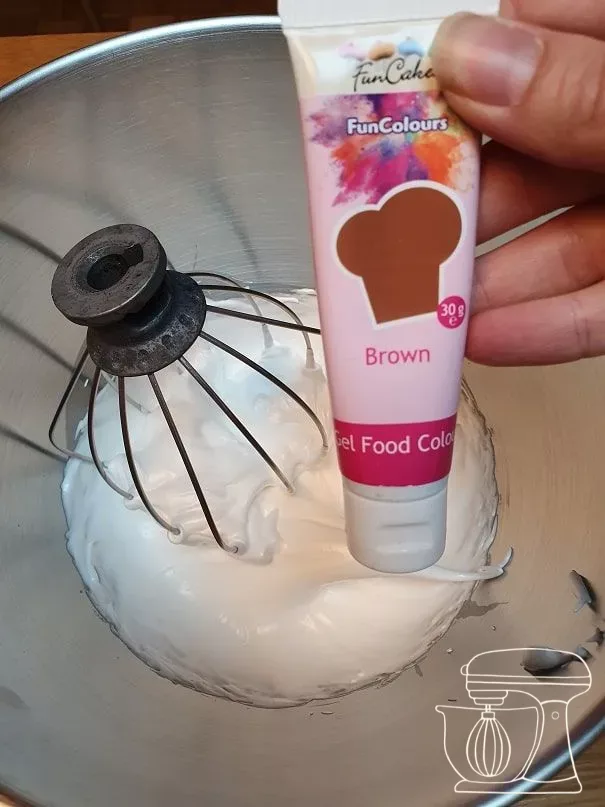
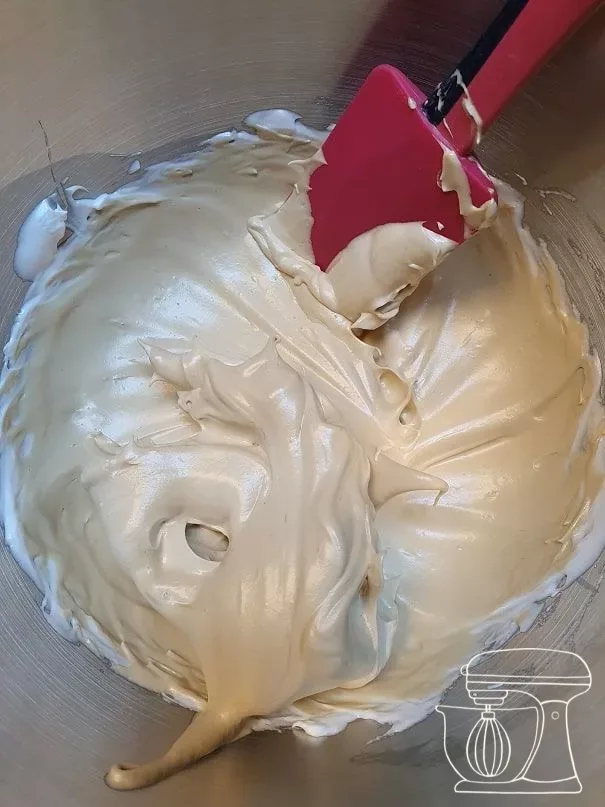
Now add the Gel color of your choice. I went with brown so the shells turn a light beige. Gel color does not change the texture and colours much more intensely than liquid colouring. Whisk the mixture for 10 seconds so the colour spreads evenly.
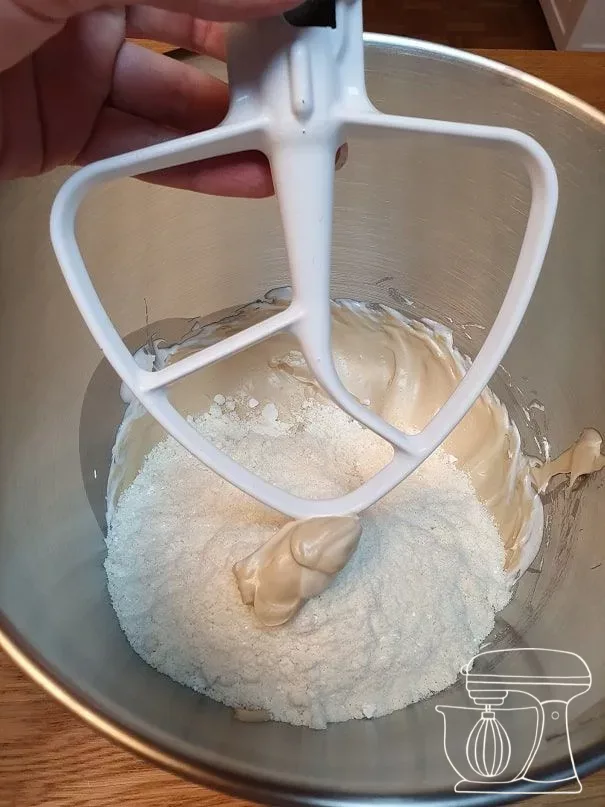
Then add the almond and icing sugar mixture to the meringue and fold everything together with the paddle attachment (K-beater) for 30 seconds on speed 1. Be sure to use the lowest setting, because at higher speeds the mixture will collapse! You can also do this step by hand with the dough scraper, but I find the result is much better with the machine.
gel food color FunCakes Brown
Macaronage
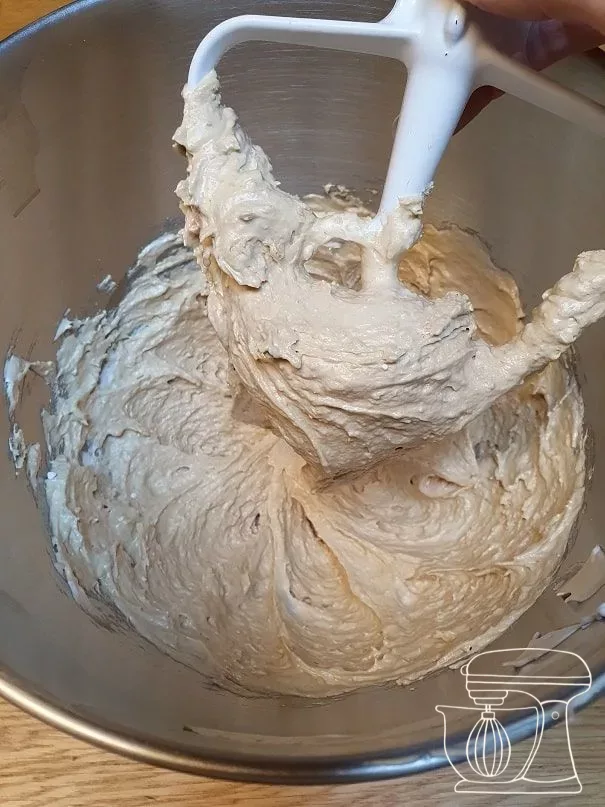
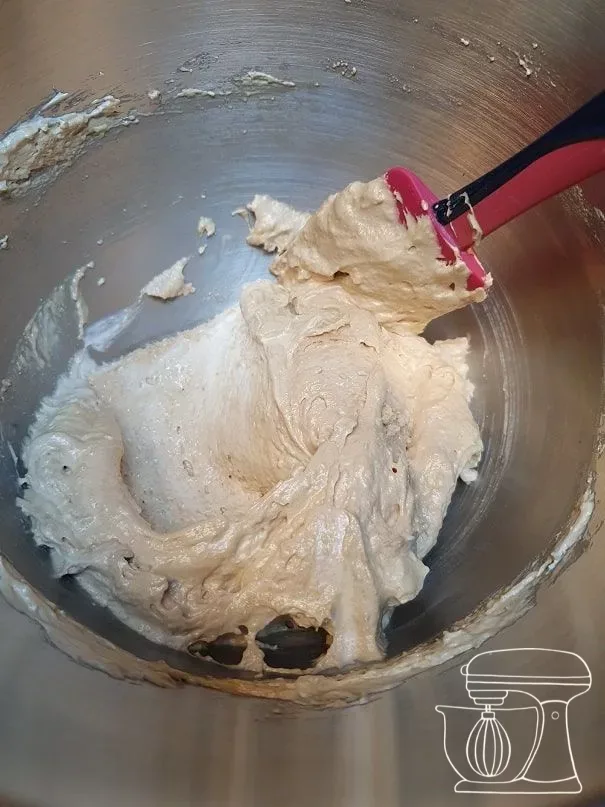
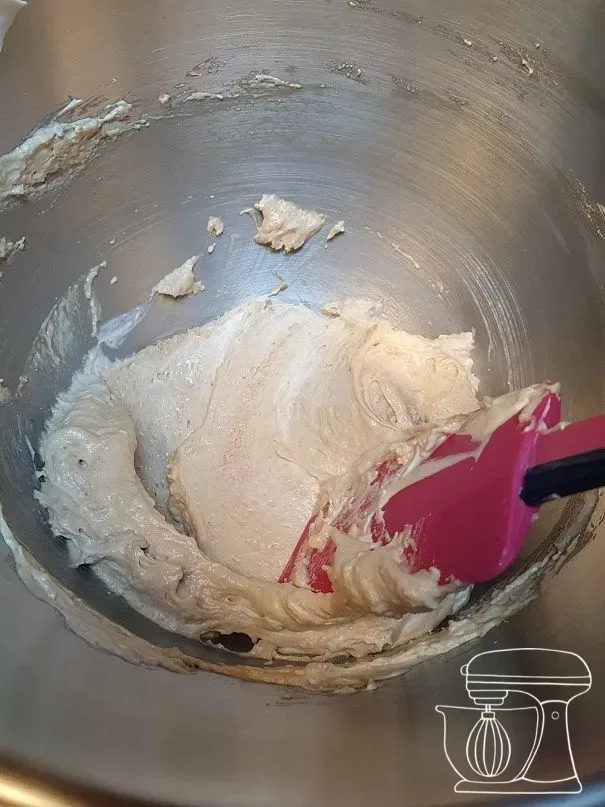
Now comes the decisive moment: at the end, fold the batter with the dough scraper, a process known as macaronage.
The batter is ready when it is glossy and flows from the scraper in a ribbon without being too runny. If you under-mix, the shells will have a grainy surface. If you over-mix, the macarons will be flat and misshapen.
Piping bag and stencil
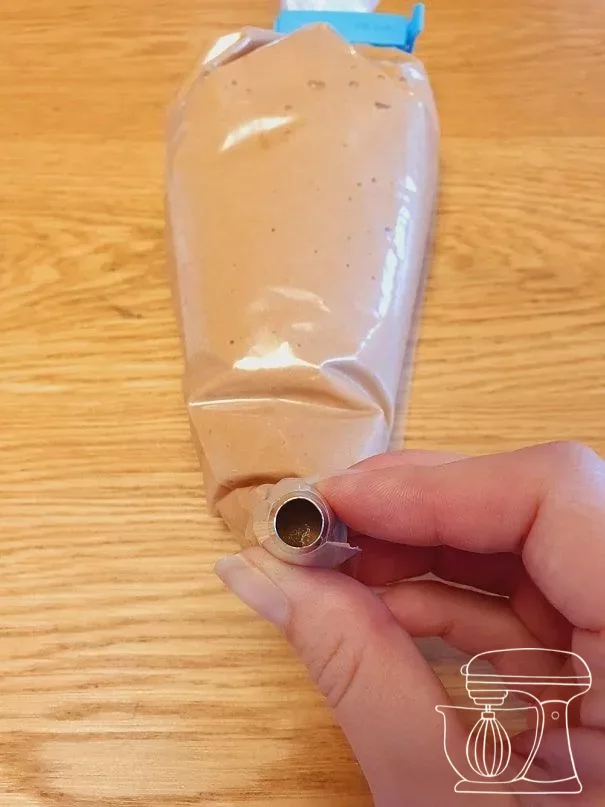
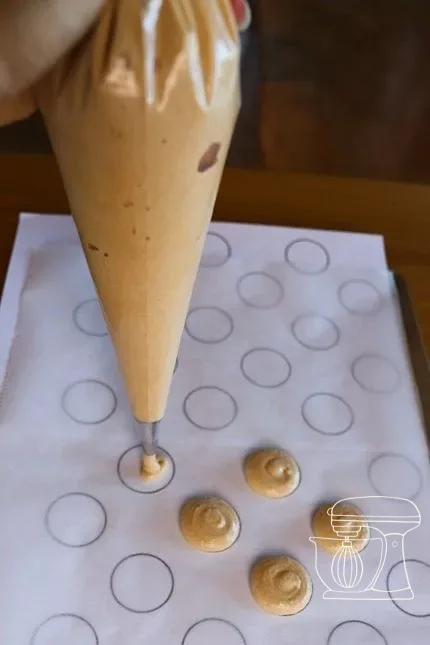
Fill the macaron batter into a 40 cm piping bag fitted with an 8 mm round piping nozzle.
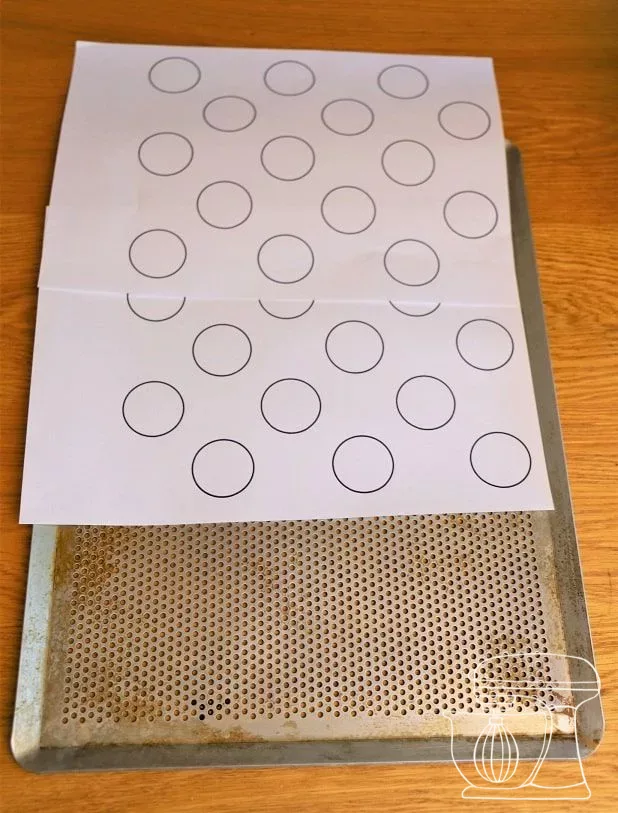
Print out a macaron stencil. My circles have a diameter of 3.5 cm, which will give shells about 4.5 to 5 cm across once baked. Leave enough space between the circles, otherwise the macarons will stick together in the oven.
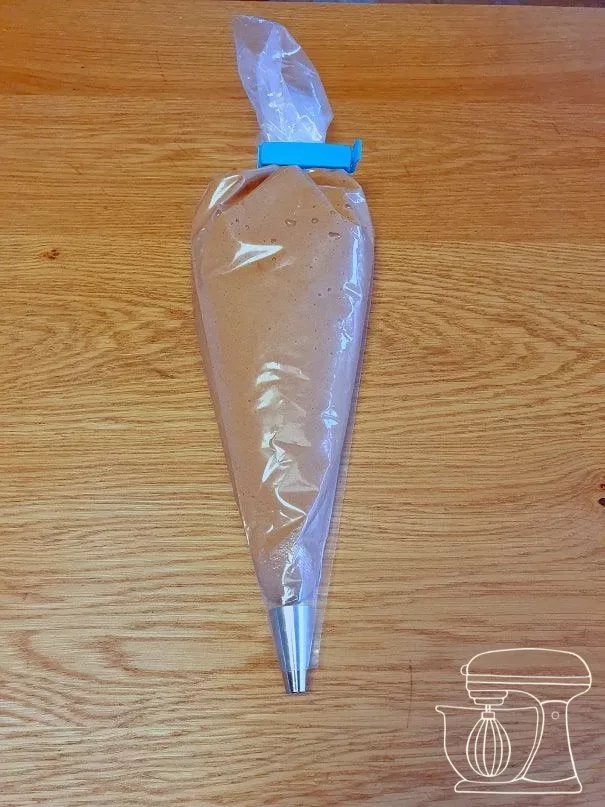
Disposable piping bag 41 cm, 24 pcs
Round piping nozzle 8 mm
Preparing the baking tray
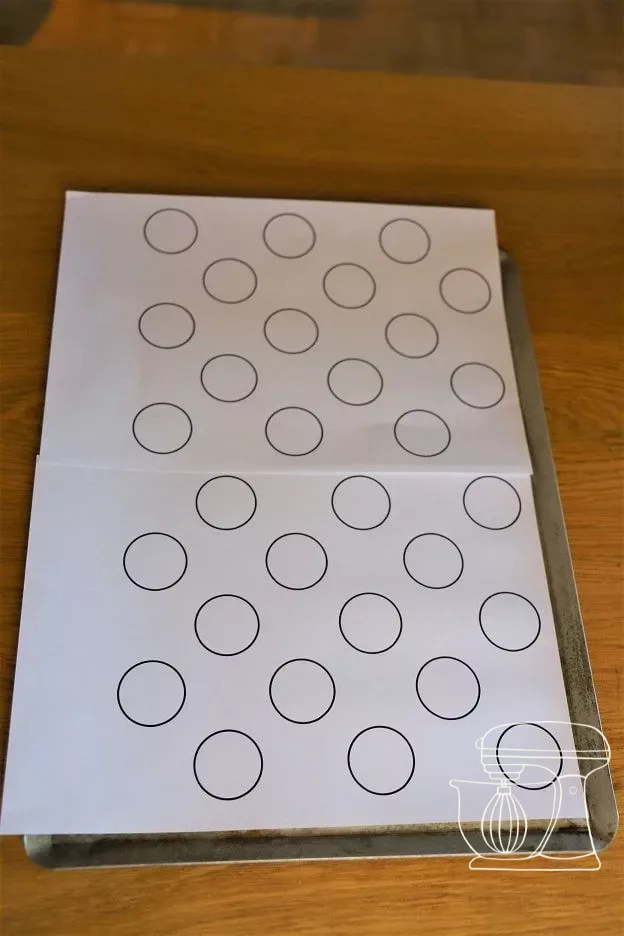
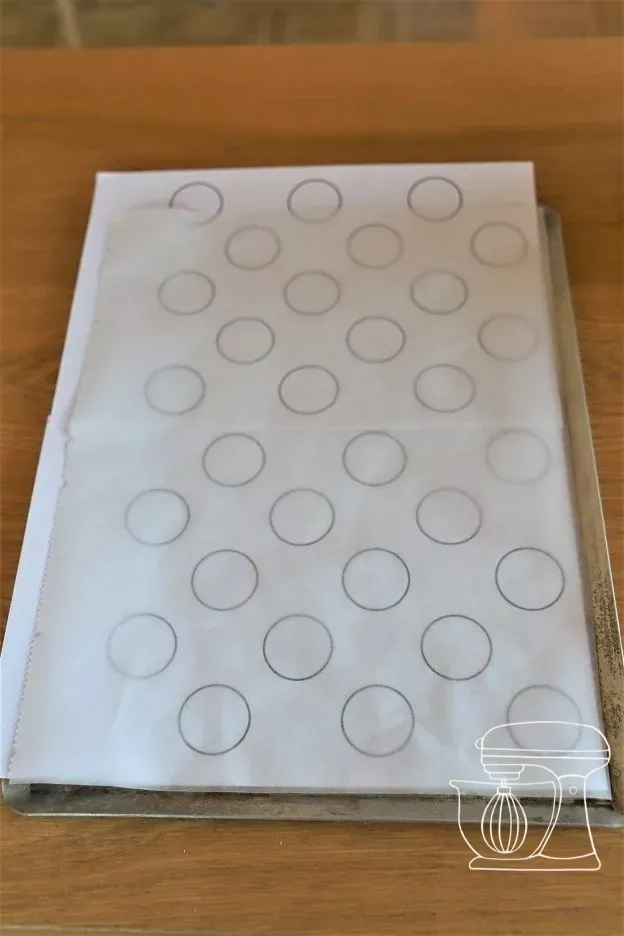
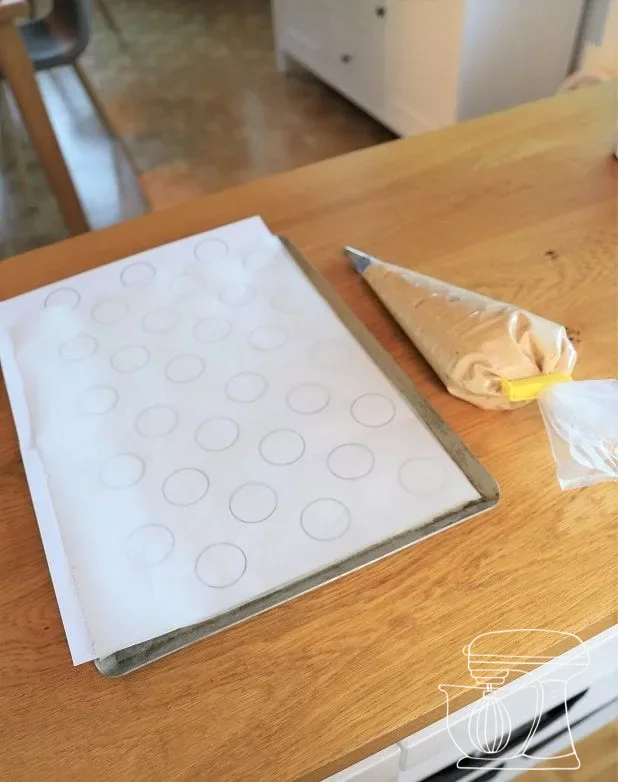
Place the stencil on a perforated baking tray and put a sheet of baking paper over it.
Perforated aluminium baking sheet 40 x 30 cm
Baking paper 42 x 33 cm, 25 sheets
Piping the macarons
Hold the piping bag vertically, about 1 cm above the baking paper, and squeeze out the batter. Once you have a nice round shape, stop squeezing and pull the piping nozzle away with a small twisting motion. This takes practice, so don't worry if the first ones aren't perfect.
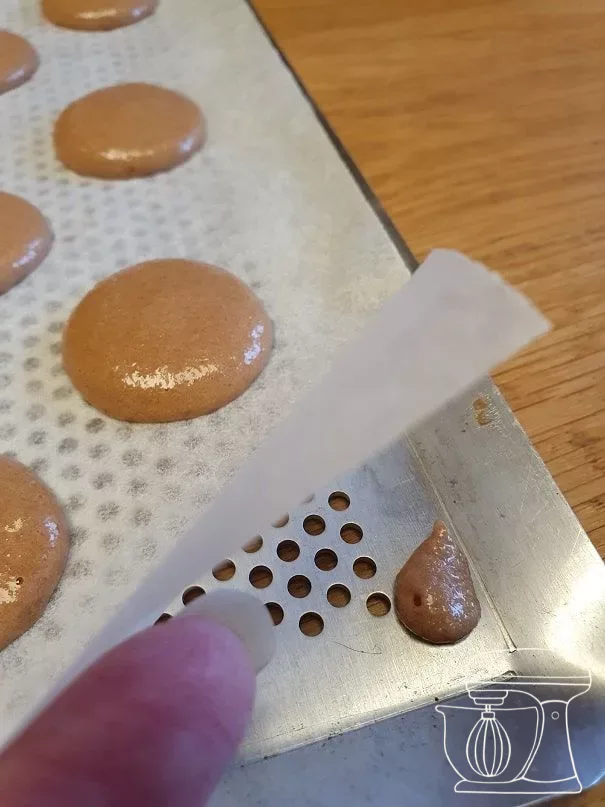
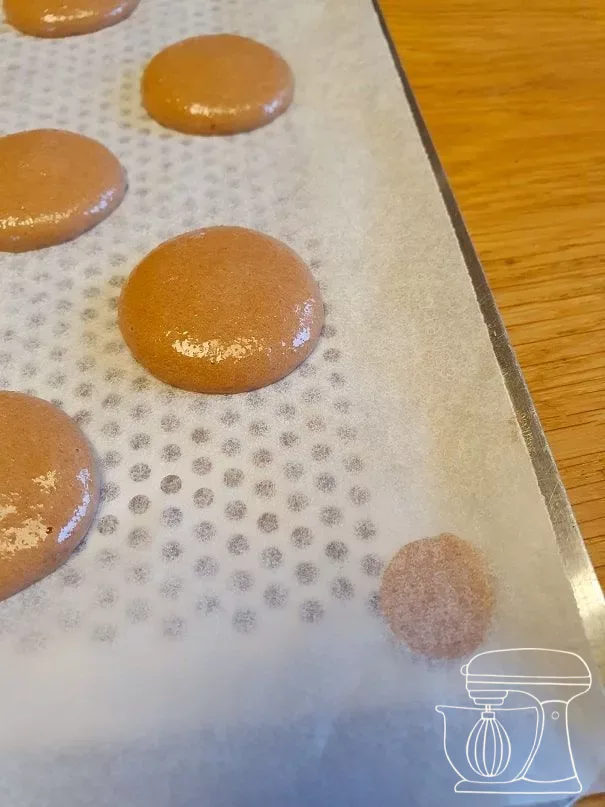
Little trick: stick the baking paper to the tray with a little macaron batter so it can't lift up in the air circulation while baking.
Tapping the tray
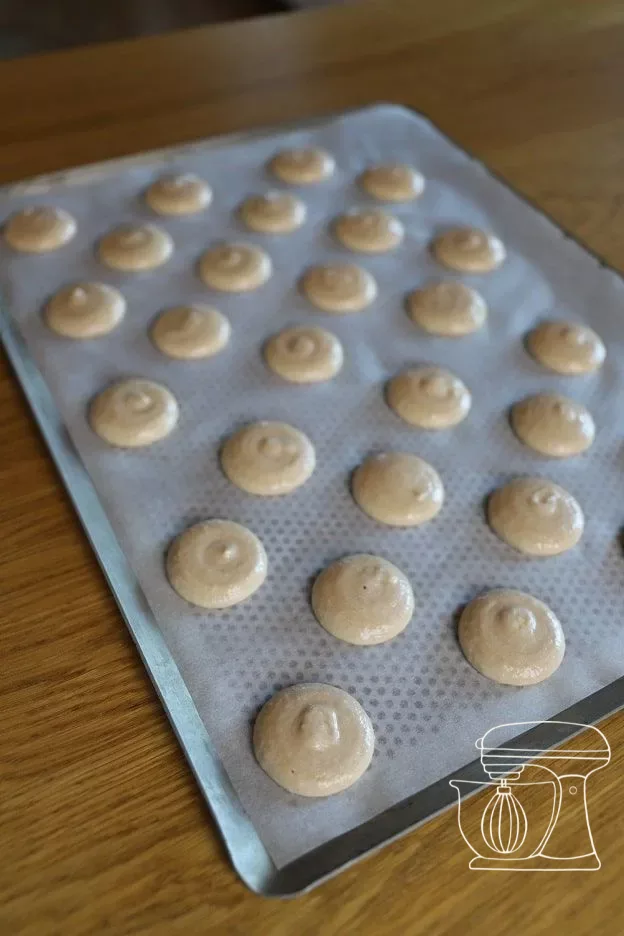
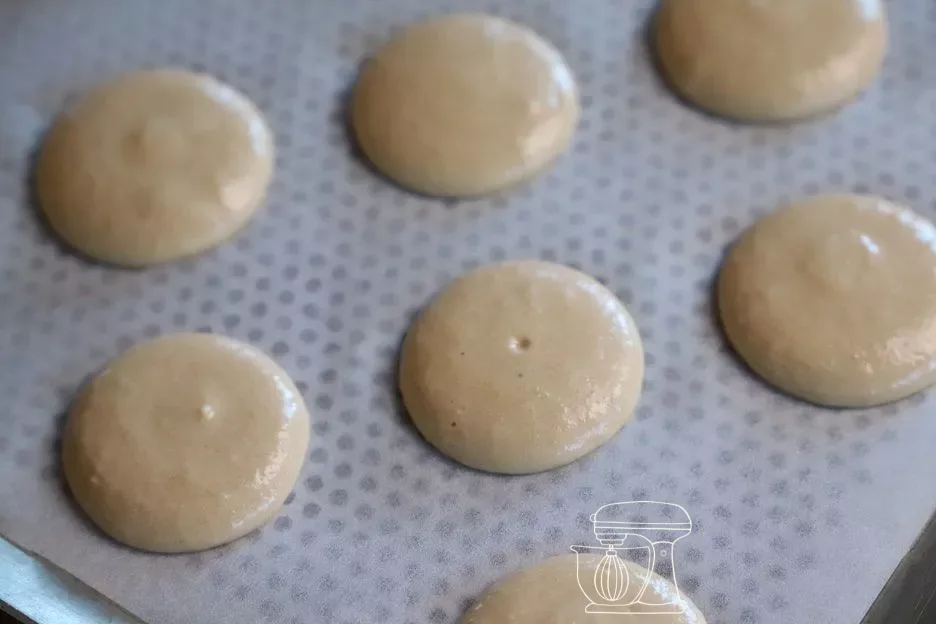
After piping, small unevenness remains. Tap the tray a few times on the work surface: this smooths the surface and lets small air bubbles rise.
Now you can also see whether you piped the right amount. If the shells spread too much, there was too much batter. If they don't move at all, there was too little. In that case, you can scrape the batter up again and pipe it anew.
Sprinkling and drying
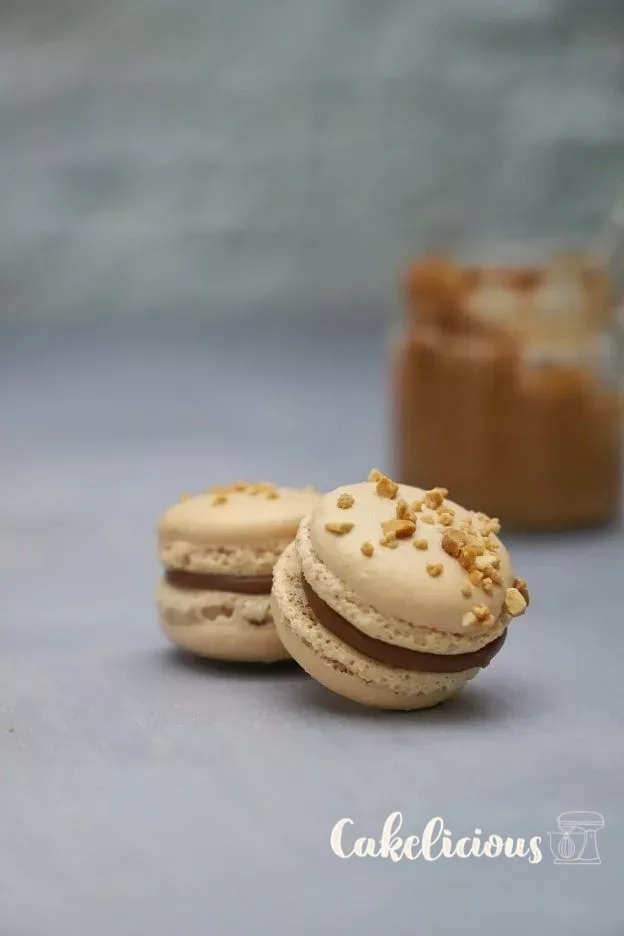
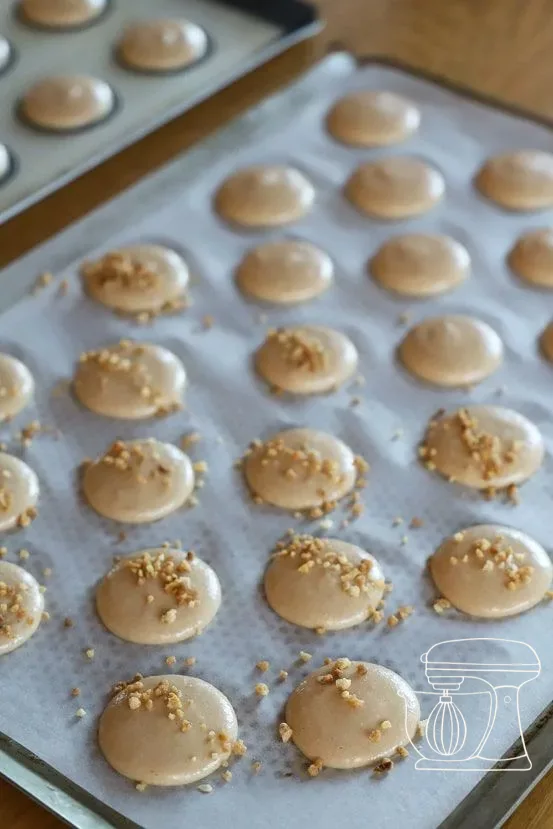
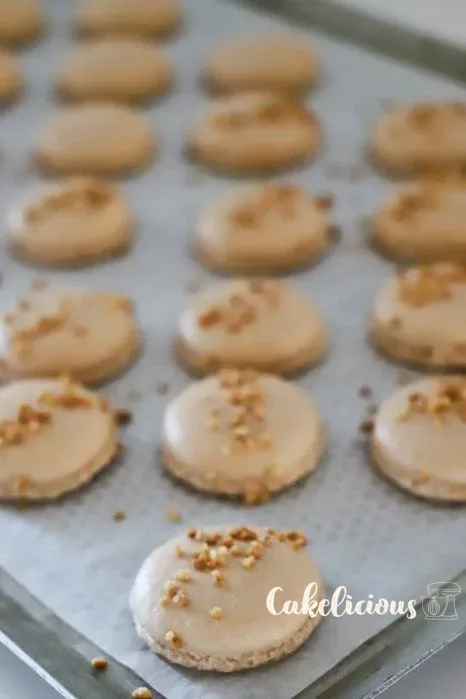
I sprinkled half of the shells with hazelnut brittle. Now let the macarons dry for 30 minutes until a skin forms.
Meanwhile, preheat the oven to 140 °C fan and place a cake rack on the lowest shelf. Open the oven briefly every 5 minutes and close it again so that all the moisture escapes.
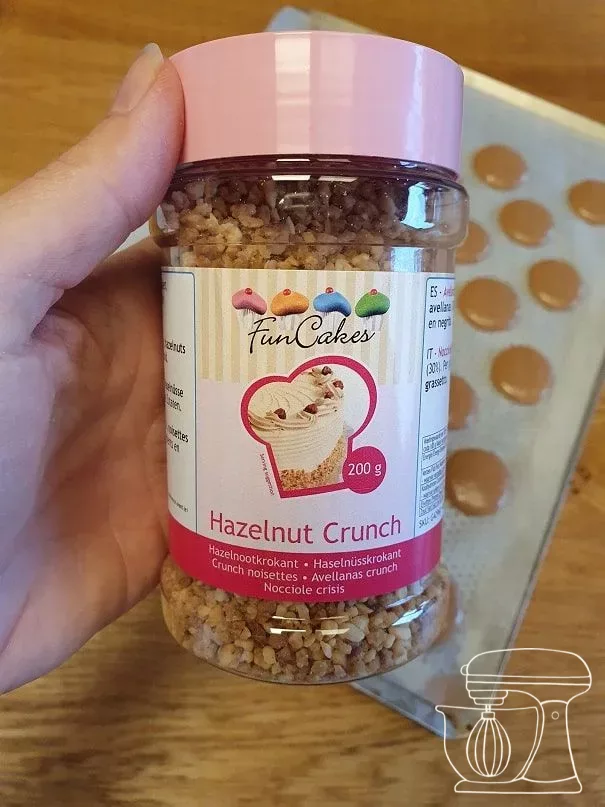
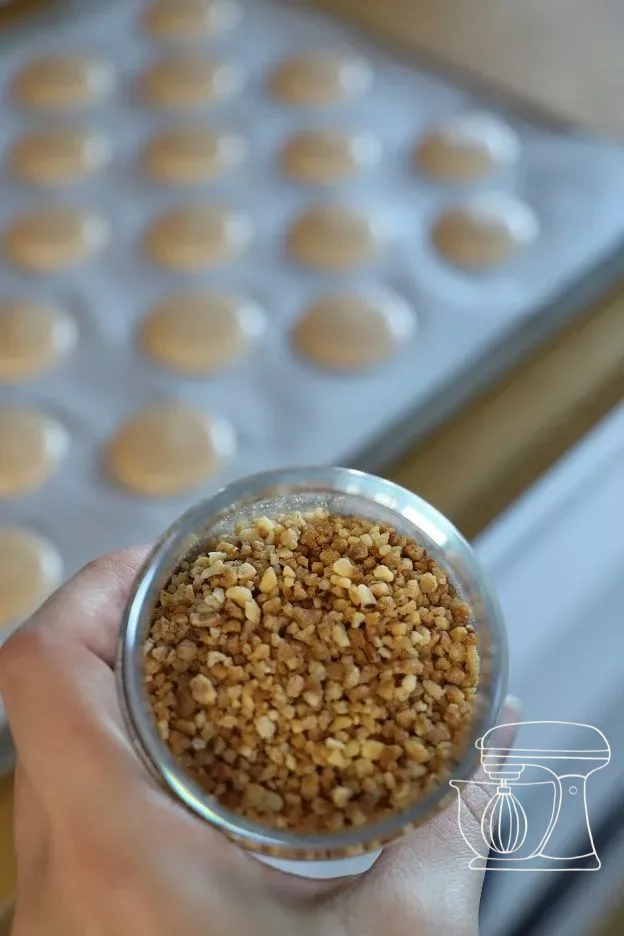
Roasted hazelnut brittle, 200 g
Baking
After the 30 minutes of resting, put the first tray in the oven, preheated to 140 °C convection, for 12 to 14 minutes. Simply place the perforated tray on the Cake rack.
Always bake the trays one at a time, never together: this way all your Macarons turn out nicely and you avoid losses. The baking time depends on your oven. In mine I bake them for 13 to 14 minutes, in my old oven it was 12 minutes.
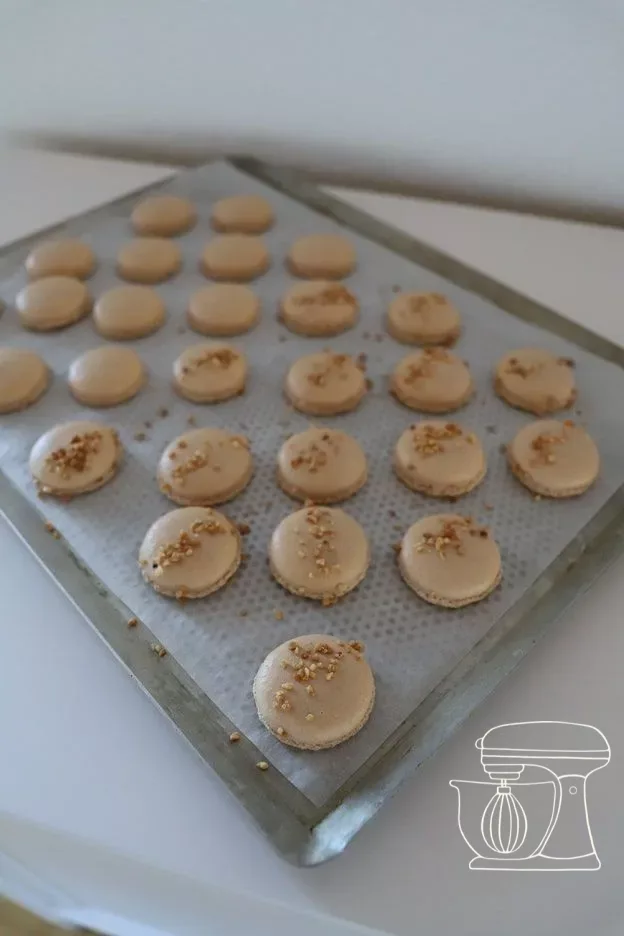
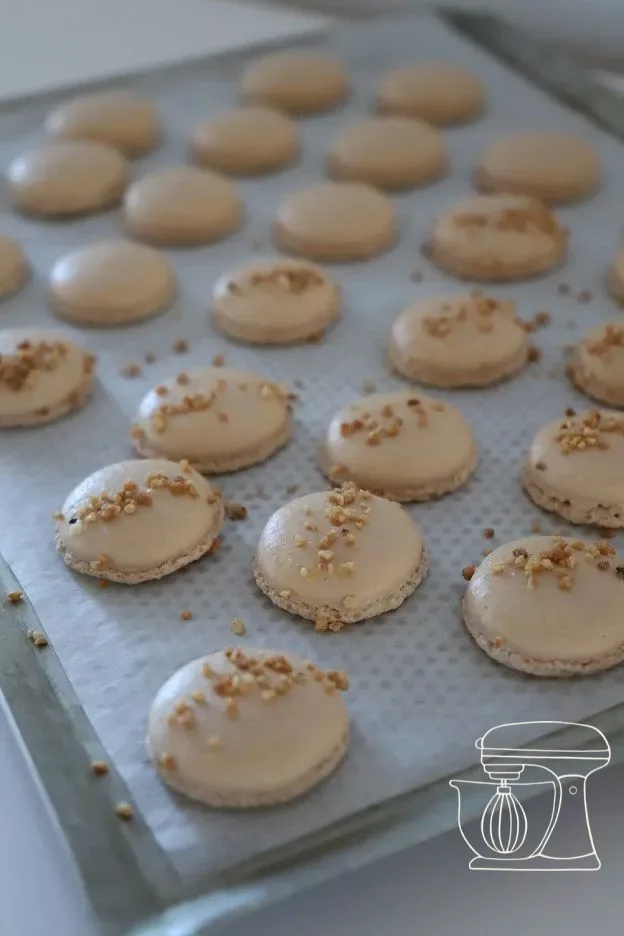
Aluminium perforated tray 40 x 30 cm
Filling
Fill with ganache
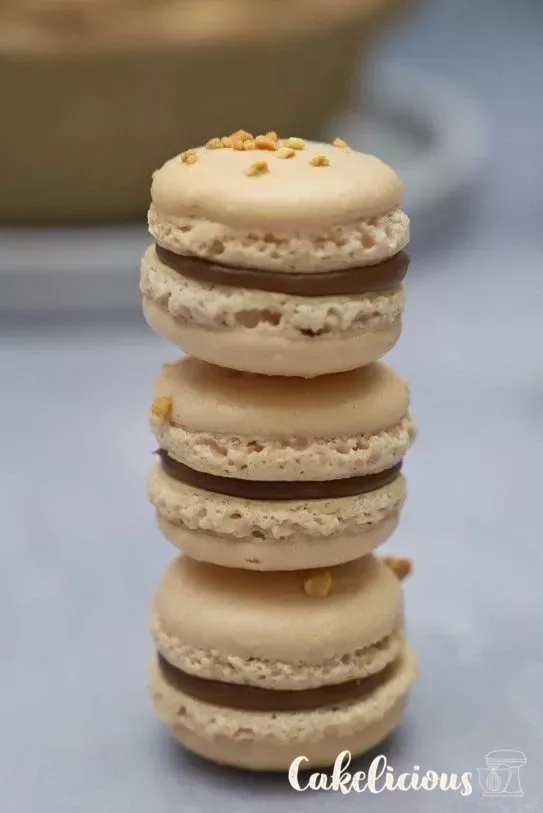
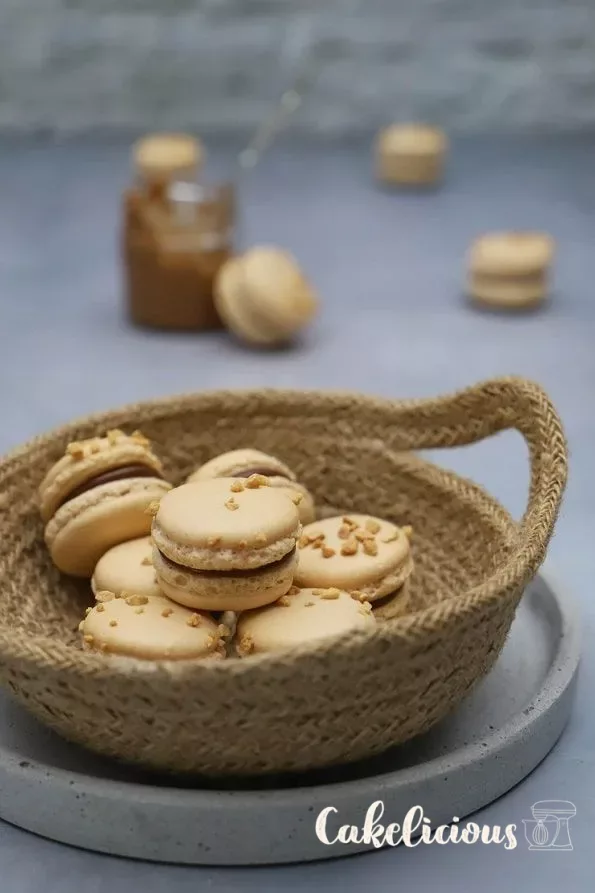
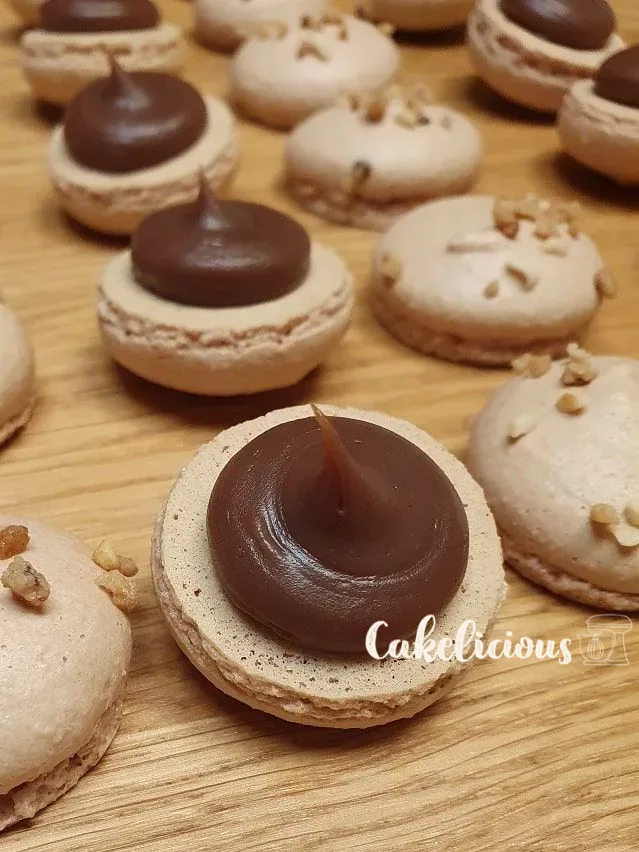
Once the shells have cooled completely, fill the praline ganache into a piping bag fitted with an 8 mm round piping nozzle and pipe it onto half of the shells. I lay the shells out in pairs, as shown in the picture, so the ganache stays nicely cool. Put the lids on, and your praline macarons are ready!
Store them in the fridge, preferably in a Macaron box.
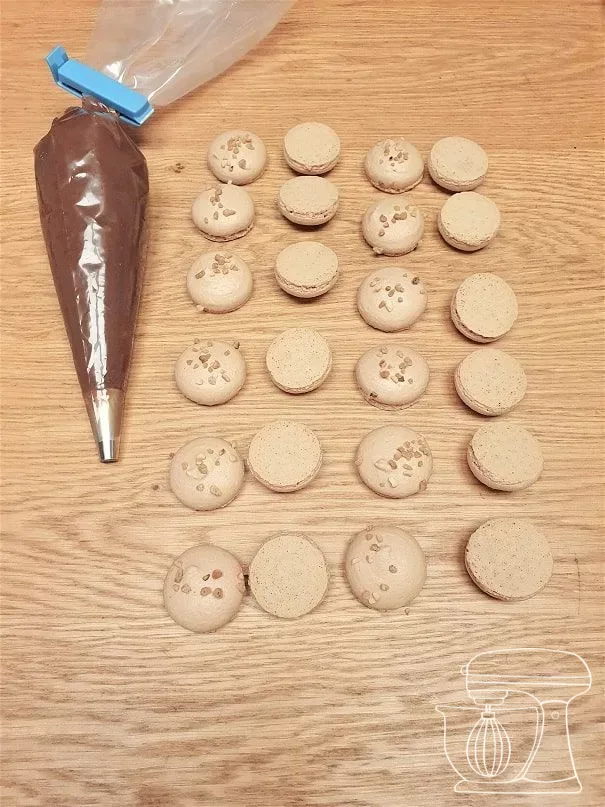
Disposable piping bag - 41cm - 24pcs
Round piping nozzle 8 mm
Box for 12 macarons
Praline Macarons
Ingredients
Praline ganache
Macaron shells (70 pieces)
For sprinkling (optional)
Method
- Ganache: Bring 50 g praline and 125 g heavy cream to the boil, pour over 125 g milk chocolate in 3 portions, stir until smooth, cover with film touching the surface and chill for at least 2 hrs.
- Dry ingredients: Mix 150 g almond flour and 150 g icing sugar and blend them together finely.
- Meringue: Whisk 120 g matured egg white with 20 g sugar on medium speed until foamy, gradually add 100 g sugar, whisk until stiff, then fold in the gel color for 10 sec.
- Batter: Mix the almond mixture in on speed 1 for 30 sec, then macaronage with the dough scraper until glossy and flowing like a ribbon.
- Piping: Pipe circles of 3.5 cm onto baking paper using an 8 mm round piping nozzle, tap the tray, sprinkle with brittle if desired, and let rest for 30 min until a skin forms.
- Baking: Bake tray by tray at 140 °C convection for 12 to 14 min, then let cool.
- Filling: Pipe the ganache with an 8 mm round piping nozzle, sandwich the shells together and store in the refrigerator.
Nutrition per 100 g
Storage & shelf life
Everything for this recipe
Recommended by our bakery, in exactly the sizes this recipe has been tested with.
Ingredients
hazelnut praline
Milk chocolate for melting
White almond flour extra fine
FunCakes brown gel food color
Roasted hazelnut brittle, 200 g
Accessories
Disposable piping bag 41 cm, 24 pieces
Round piping nozzle 8 mm
Perforated aluminium baking sheet 40 x 30 cm
Baking paper 42 x 33 cm, 25 sheets
Box for 12 macarons
Delivery in 1 to 2 working days · Free shipping from CHF 100
To make sure they succeed
Many older ovens heat 10 °C more or less than the setting, and you can see it in the Macarons. An oven thermometer shows you the actual temperature. Also, slide each tray into the oven cold: a still-warm perforated tray can cause the shells to rise unevenly.
Egg whites from eggs that are at least 10 days old, or egg whites separated and matured in the refrigerator for 2 to 3 days, make a more stable Meringue. With eggs that are too fresh, the shells crack more easily during baking.
You'll find all the basics and tricks for the perfect shell in our Macarons tips & tricks. And if you like making your own praline, you'll find our praline recipe here.
Frequently asked questions
Once filled, they keep for 2 days in the refrigerator in a well-sealed tin. You can freeze the unfilled shells and store them in the freezer for up to 6 months.
The batter for the shells can stand at room temperature until the next tray is up. The ganache for the filling goes in the refrigerator.
If all the shells split open on top, the eggs were usually too fresh or the oven is not baking evenly. Then try top and bottom heat and always bake only one tray at a time. Don't worry: macarons often take a few attempts before they turn out perfectly.
Print recipe
Choose what should appear on the printout.
Related posts
 Juicy Matcha Muffins with Pecan Nuts & White Chocolate
Matcha Iced Latte & Coconut Variant
Pull-apart bread with fresh wild garlic pesto
Mini Banana Bread with Chocolate Chips
Leave a comment
Comments
Question de Elodie
By: Elodie V. On 2024-12-30Bonjour!
Premier test, j’ai beaucoup trop macaroné (mais c’était quand même très bon ;-)) et là pour mon deuxième test, la première fournée a été à merveille, mais la deuxième j’ai eu des macarons qui ont « monté » que d’un côté. Ils ont la collerette mais pas partout et du coup ils ne sont pas droits et homogènes (mais la coque est bien lisse et pas fissurée…) est-ce simplement du à un pochage pas terrible ou c’est la cuisson? J’ai utilisé la même plaque perforée, elle n’était pas 100% refroidie est-ce que c’est un problème?
Merci d’avance pour vite réponse!
Replied by: Laura On 2024-12-31
Question de Amandine
By: Amandine S. On 2024-12-07Bonjour,
J'aurais aimé savoir quelle est la meilleure manière pour conserver la masse en attendant les différentes cuissons ? Frigo VS air libre
Merci pour vos recettes. C'est toujours une réussite et un délice :)
Replied by: Karin On 2024-12-09
Question de Elodie
By: Elodie M. On 2024-12-02Bonjour,
Si on souhaite les préparer à l'avance, combien de temps se conservent-ils au frais ?
Combien de temps peuvent se conserver les coques sans ganache ?
Merci beaucoup pour vos éclairages.
Salutations
Replied by: Karin On 2024-12-03
Question de Carine
By: Carine R. On 2023-11-11Bonjour ? mes macarons sont tout craquelés, quelle est la cause principale selon vous? J’ai tout fait pareil que vous, le seul truc que j’ai fait et que vous ne montrez pas c’est que j’ai bien tapé plusieurs fois sous ma plaque pour rendre uniforme mes coques et enlever les bulles…est-ce que j’ai fait retomber les blancs du coup? J’ai fait 2 fournées, la première pas assez macaroné donc pleins d’imperfections mais la collerette était là (pas beaucoup tapé vu que c’était trop solide) et la deuxième bien macaroné, j’ai pu enlever les imperfections mais craquelé quand même…désolé du pavé et merci de votre réponse! ?
Replied by: Karin On 2023-11-13
Question de Marie
By: Marie M. On 2023-04-25Bonjour,
J’aimerais faire des macarons aux fraises, pour la ganache pensez-vous que je pourrais remplacer le praliné par de la purée de fraises et faire avec du chocolat blanc?
Merci pour vos conseils et vos recettes!
Bonne journée!
Replied by: Laura On 2023-04-26
Replied by: Marie M. On 2023-04-26
Question de Patrizia
By: Patrizia C. On 2022-10-29Hallo
Ich hab diese nun endlich probiert. Die Anleitung ist extrem ausführlich,jedoch nicht wirklich klar. Die Ganache ist einfach. Aber,muss ich das Eiweiss nur schaumig schlagen oder fest? Mit Schaumig wird meine Masse sehr dünn. Was bedeuted Macaronisieren? Meine verlaufen in alle Richtungen trotz extra Backmatte.
Kannst du mir bitte helfen?