
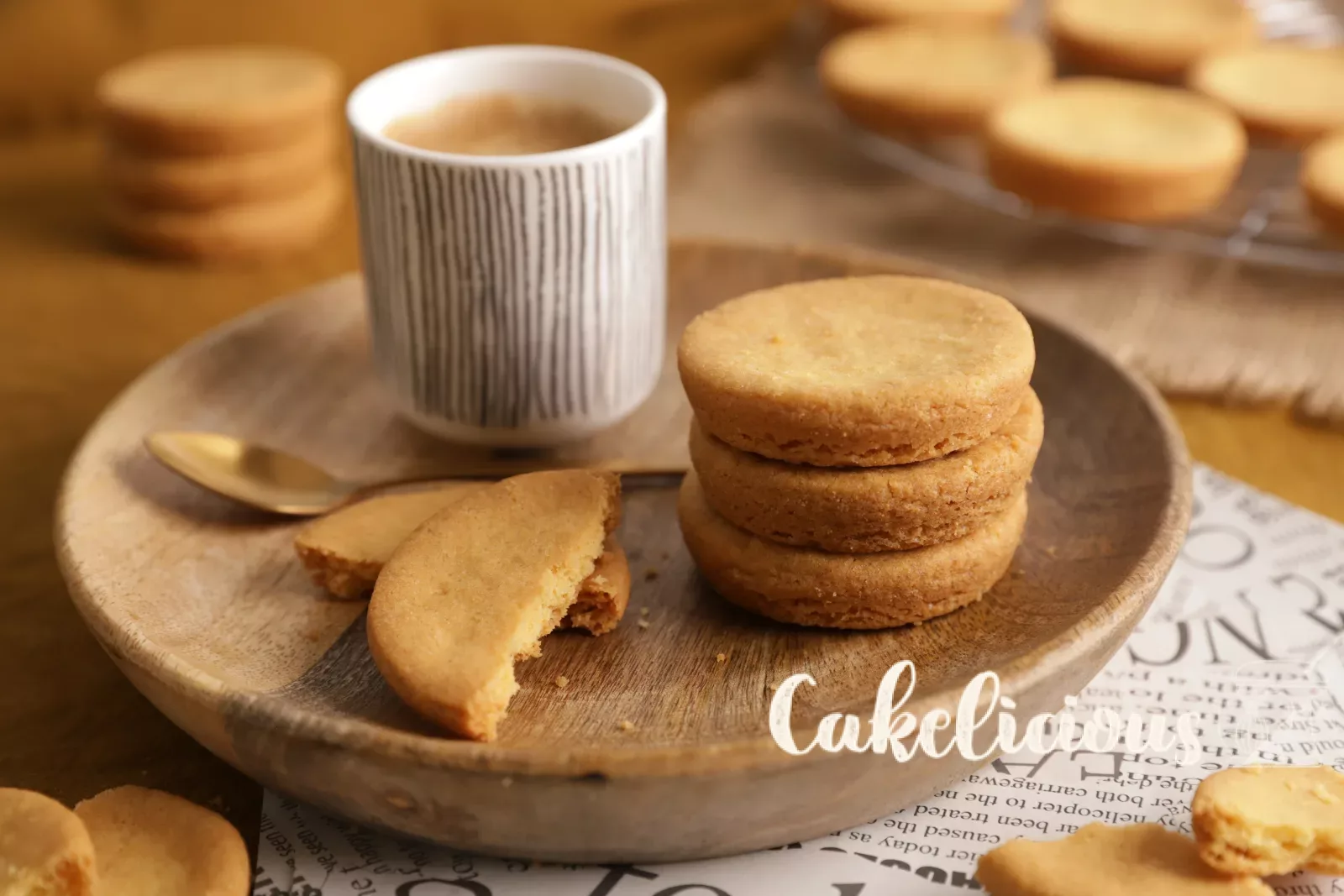
sablé breton
A crisp basic recipe from Brittany, as small biscuits or as a cake base
Hello fellow foodies,
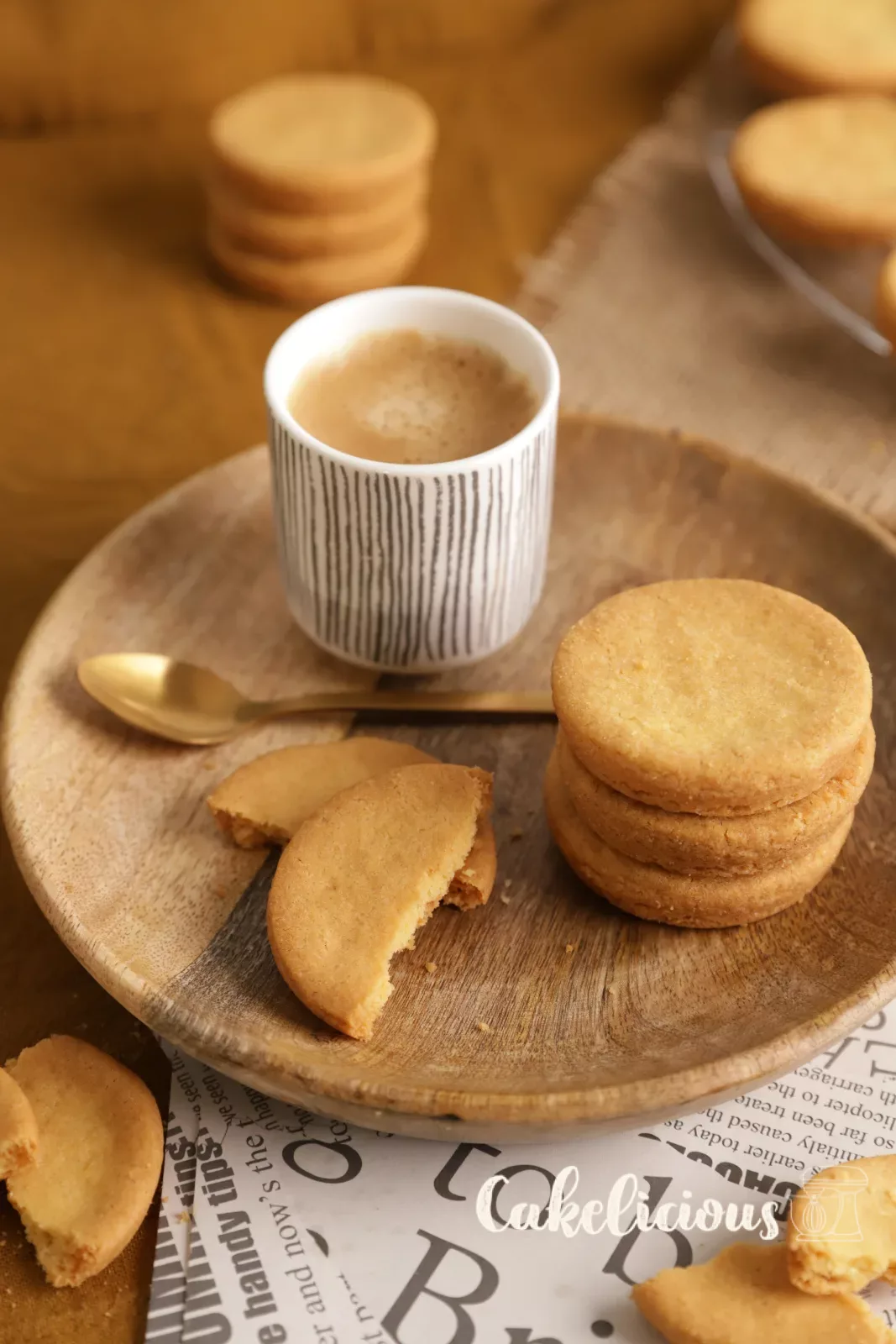
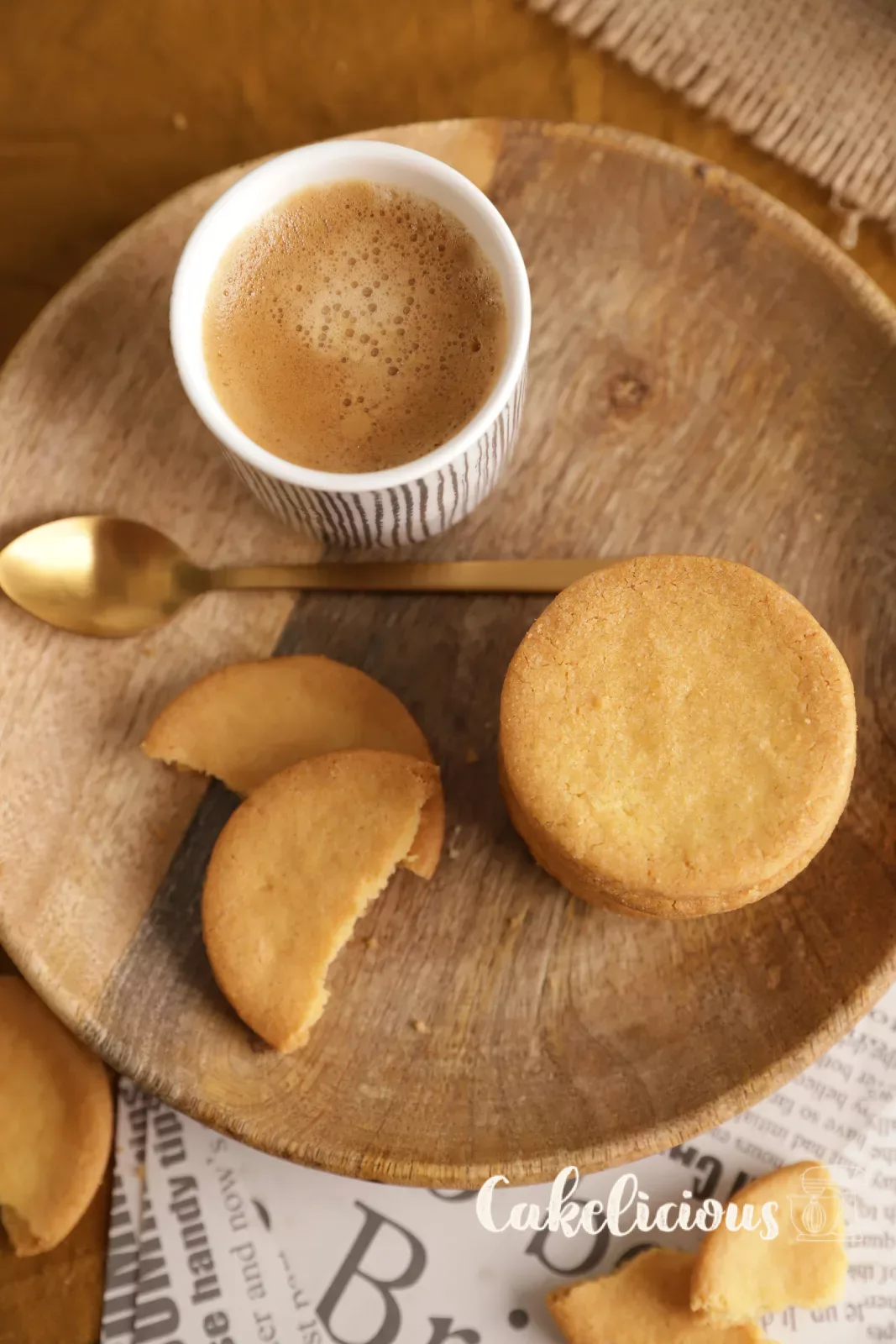
today we have a basic recipe that belongs in every kitchen: sablé breton! This crisp, wonderfully buttery biscuit from Brittany is a true all-rounder.
As small sablés, it pairs perfectly with a cup of coffee or tea, and when nicely packaged it makes a lovely homemade gift. As a large base, it carries your tart: perhaps you already know it from our Apple Vanilla Tart or the Rhubarb Strawberry Tart.
You only need six ingredients, and along the way you use up two egg yolks. We show you how to bake 20 evenly sized sablés, and at the end also the version as a cake base.
Ingredients
Step by step
Dough
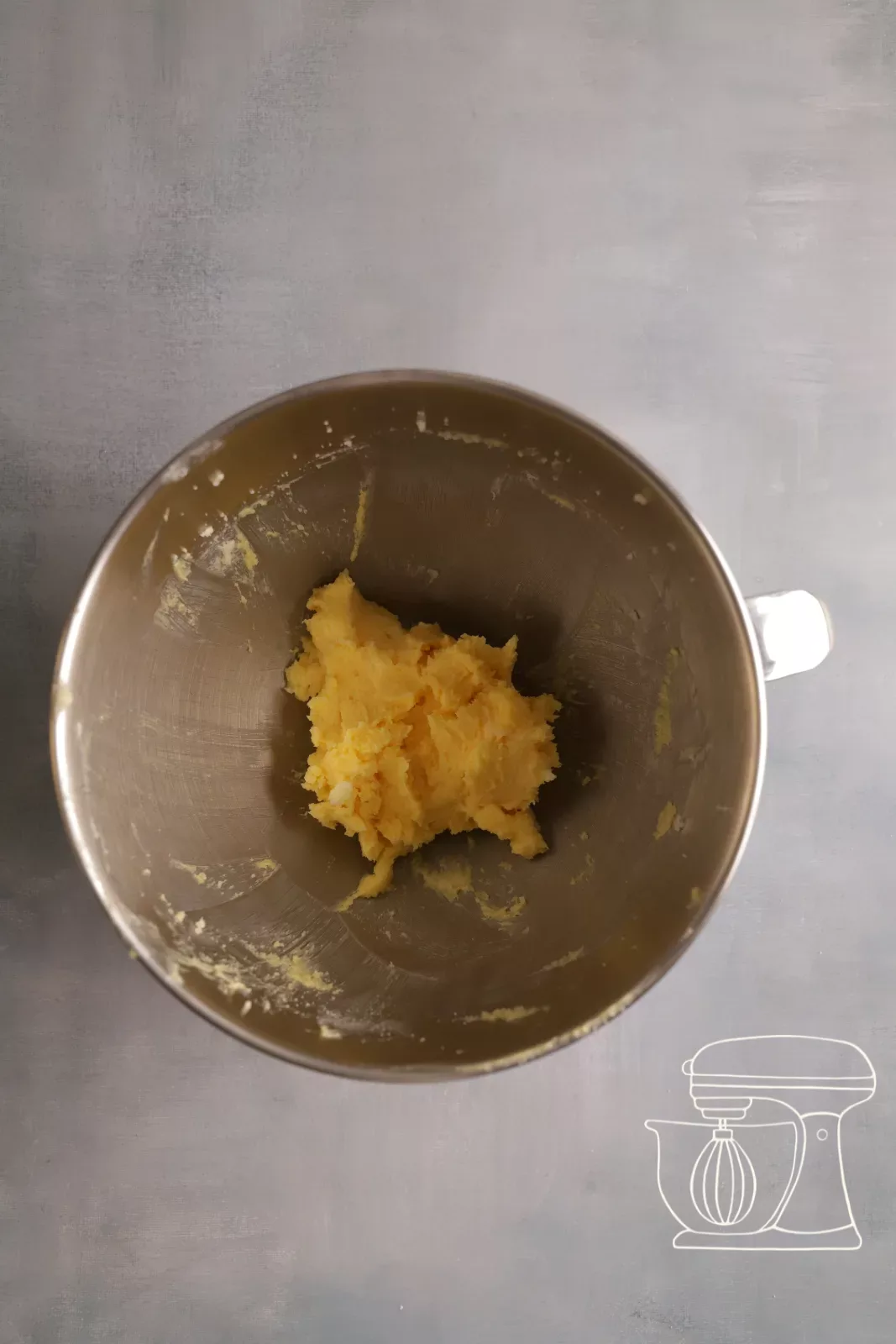
Cream the butter and sugar
Put 110 g soft butter and 105 g sugar into a large mixing bowl and cream them together with the whisk of the stand mixer.
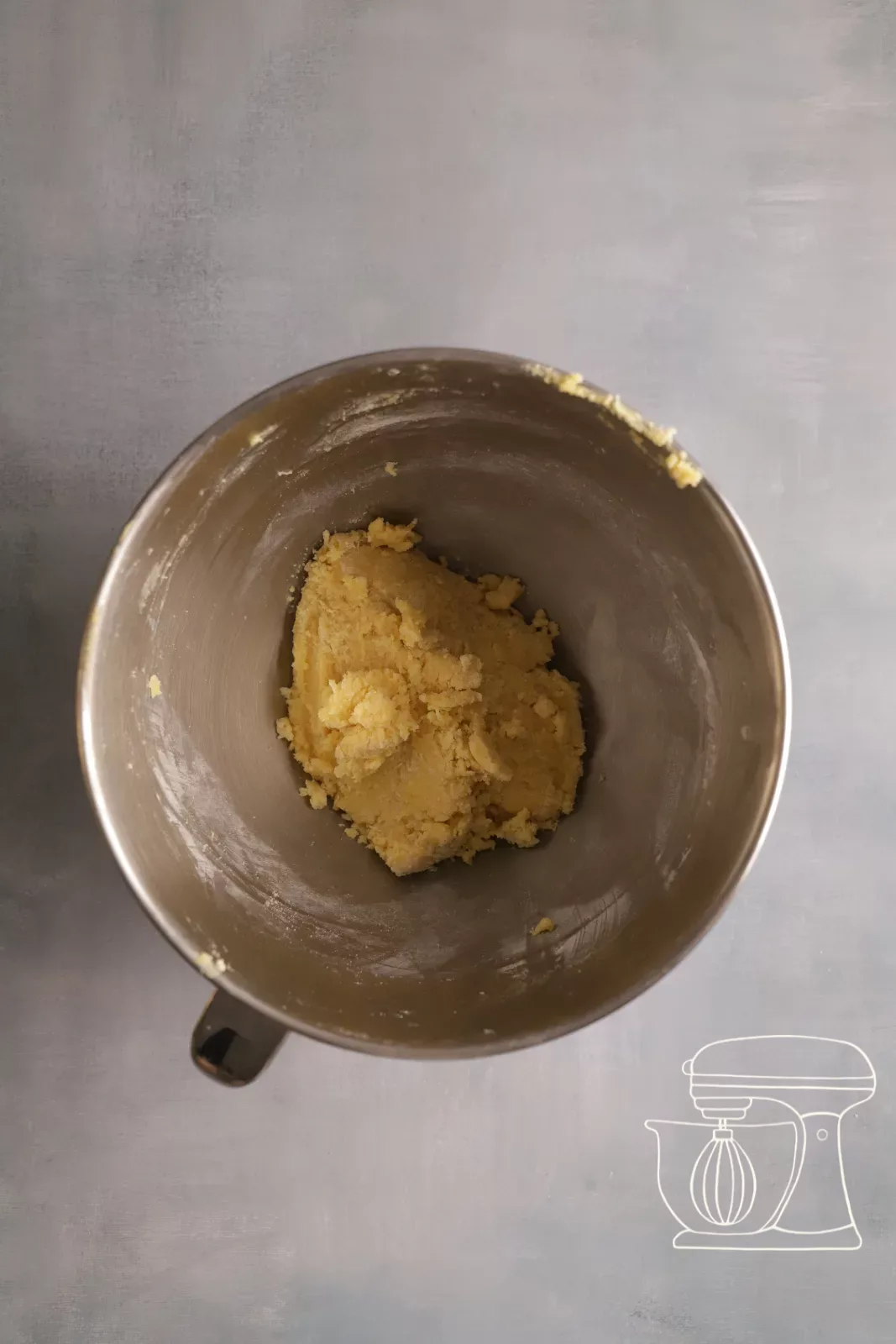
Add the egg yolks, salt and baking powder
Add 2 egg yolks, 2 g salt and 4 g Baking powder and whisk everything smooth again. For small amounts such as salt and baking powder, a measuring spoon scale is ideal so you can weigh them exactly.
Digital measuring spoon scale
Baking powder 80g
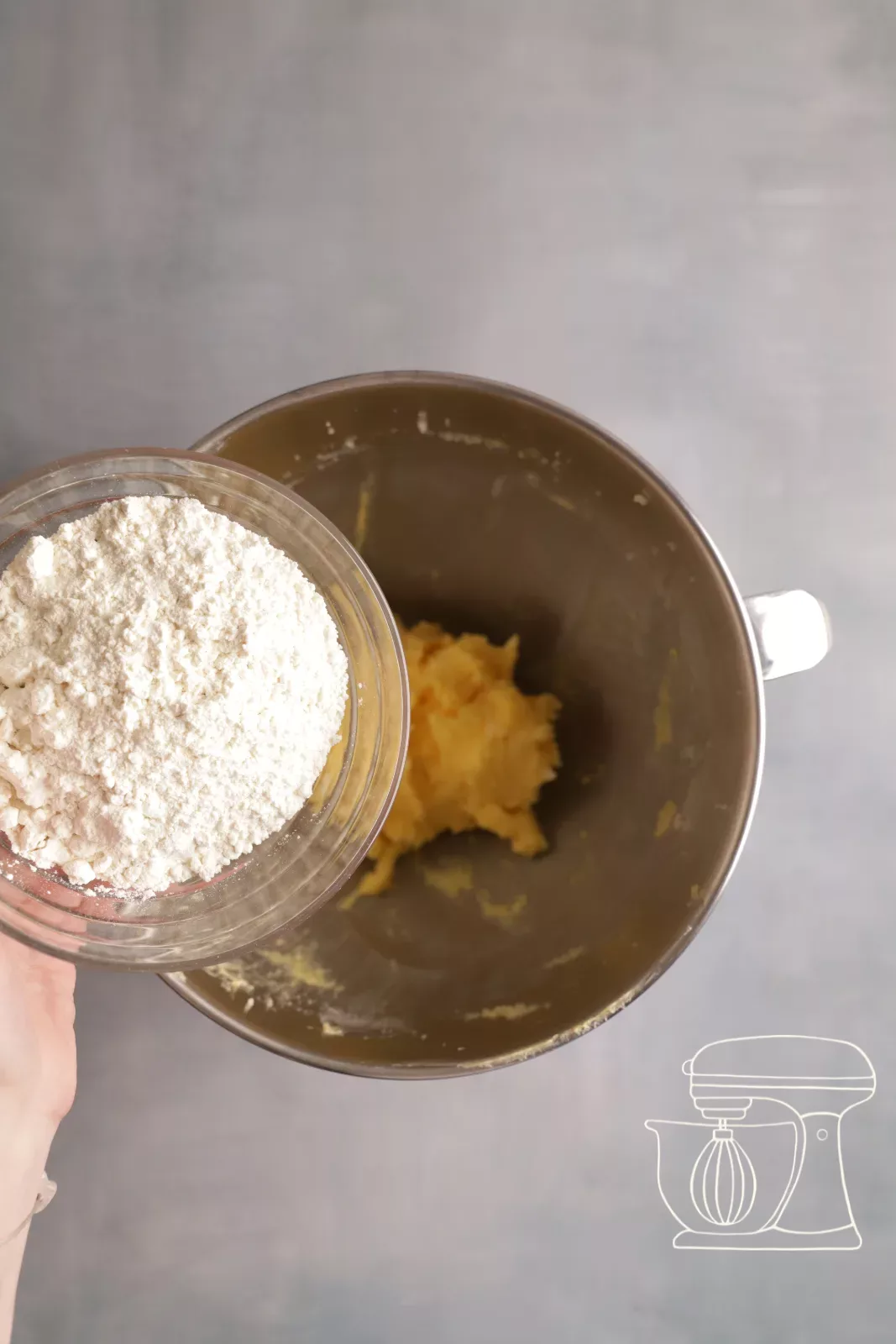
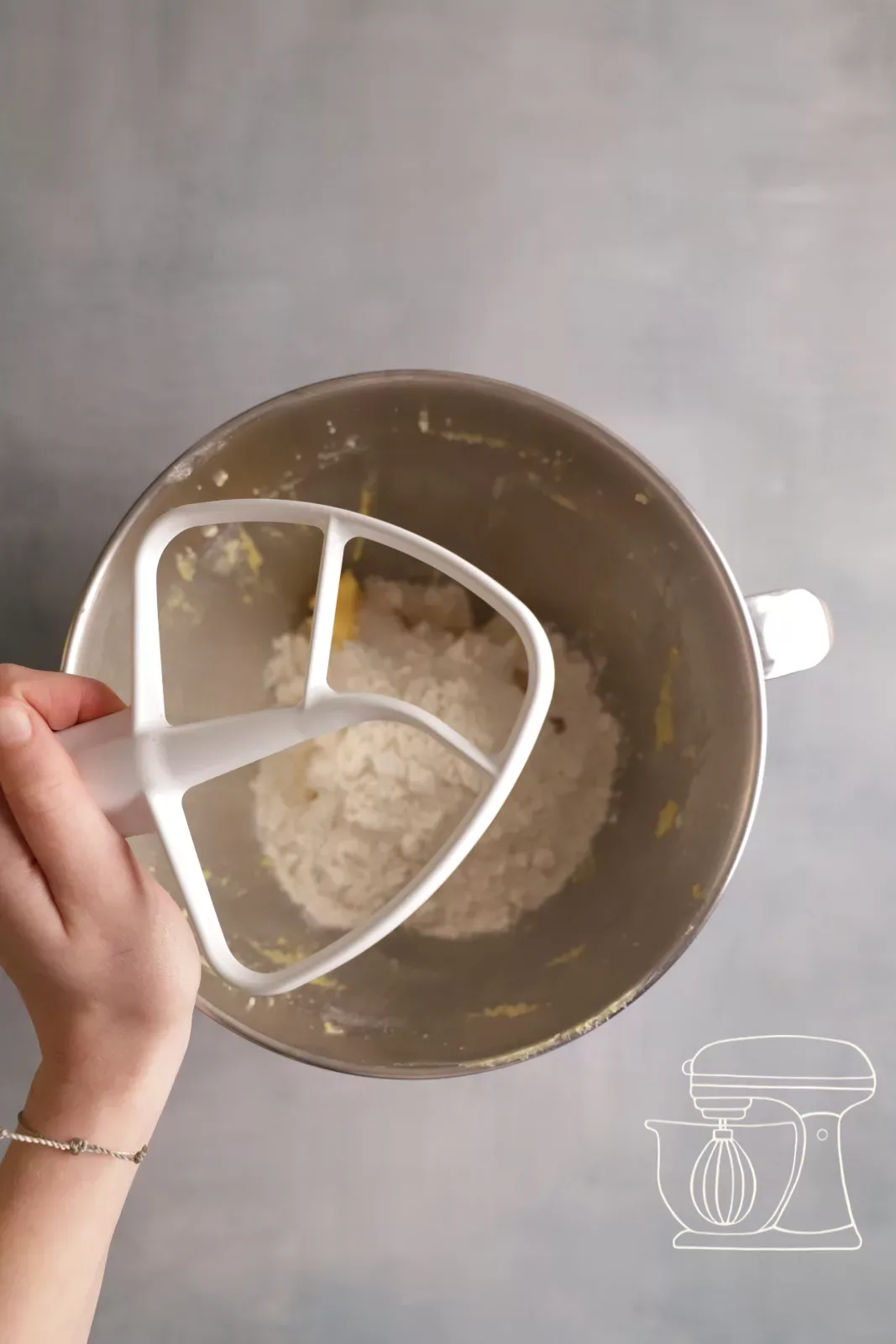
Briefly mix in the flour
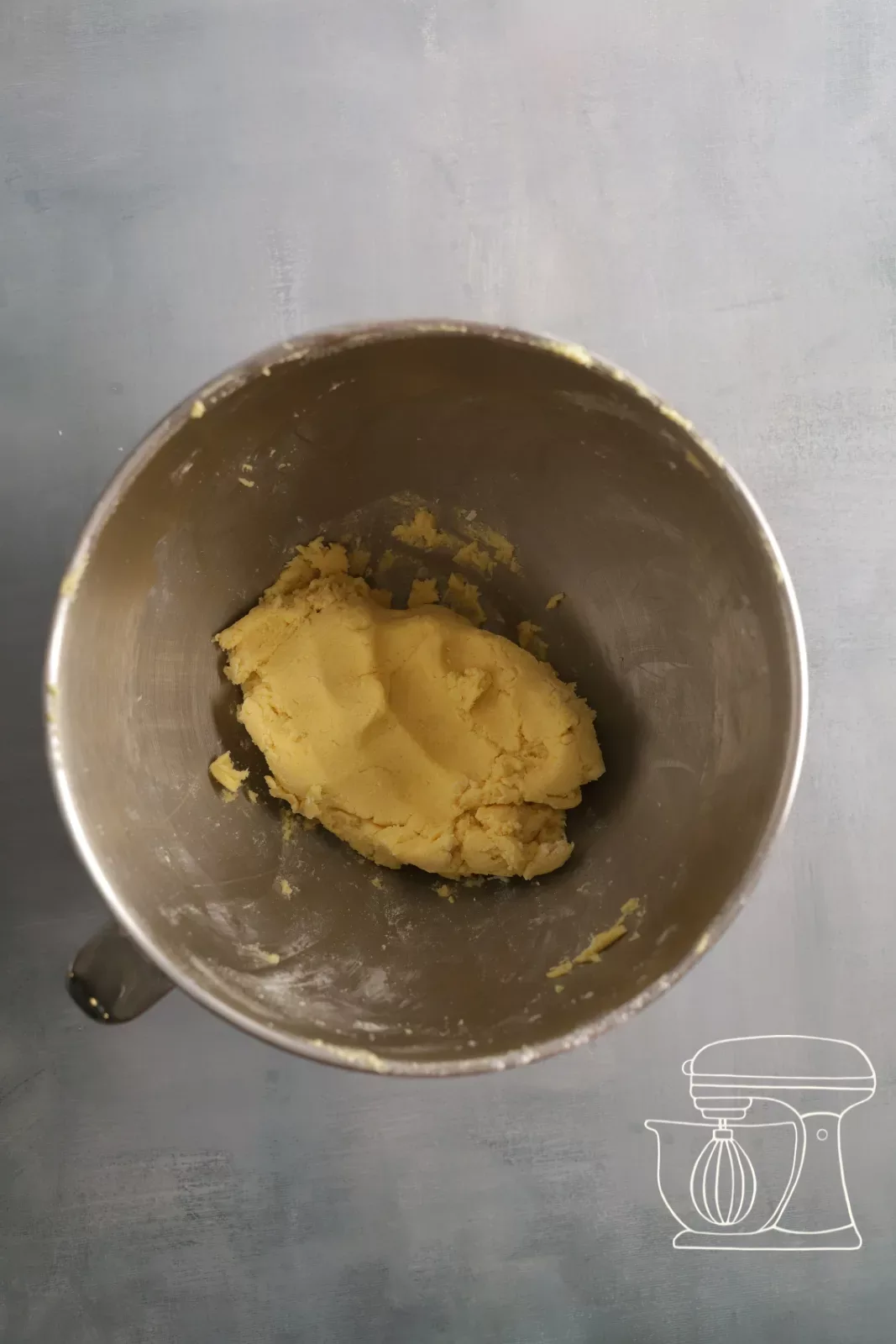
Once the mixture is nice and even, take out the whisk and add 150 g Flour. Fit the flat beater (K-beater) and mix on speed 1 for no more than 10 to 20 seconds. Only until a dough forms: the shorter you mix, the more crumbly and crisp your sablés will be.
Swiss white flour, 1 kg
Small Sablés (20 pieces)
Place the dough between baking paper
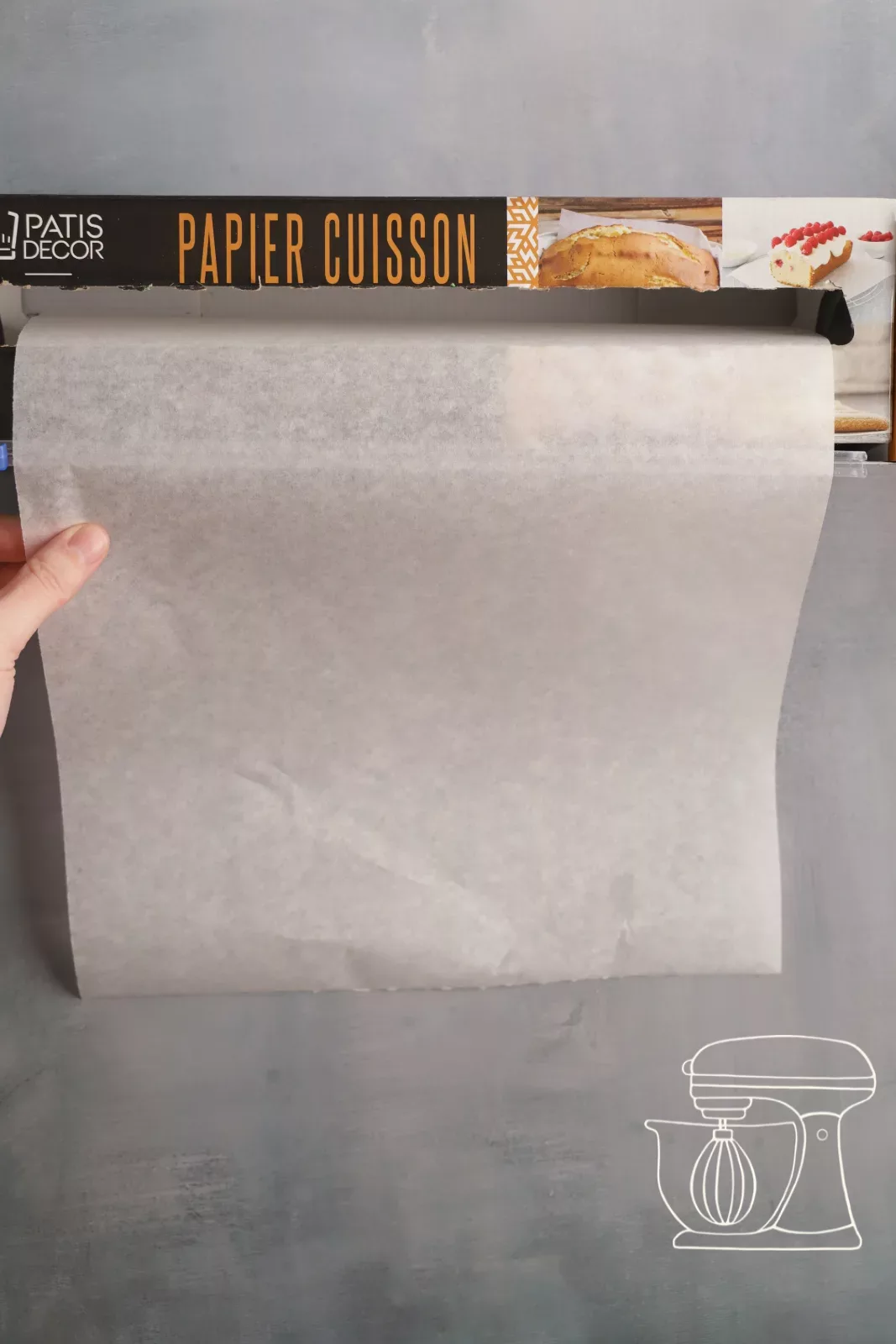
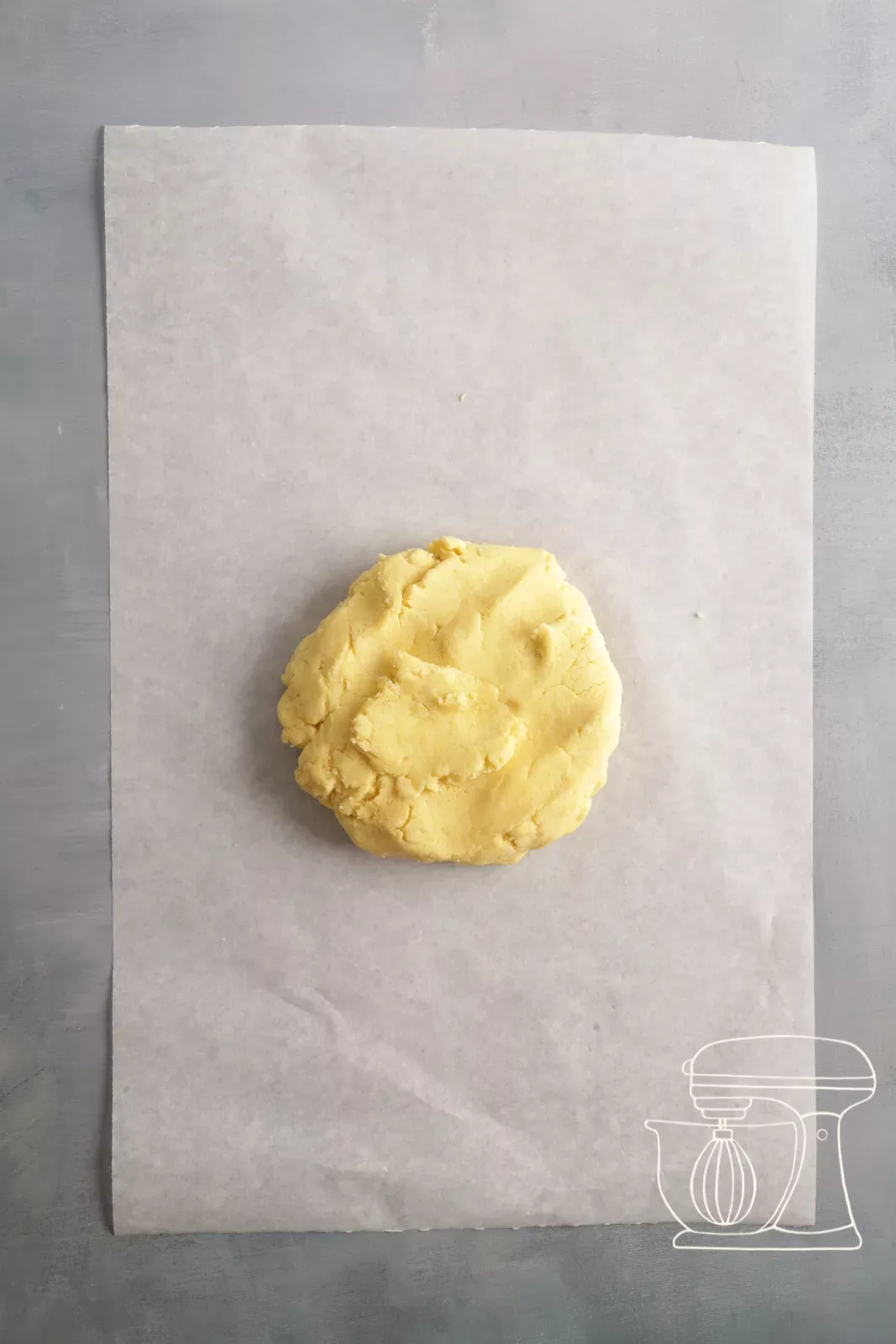
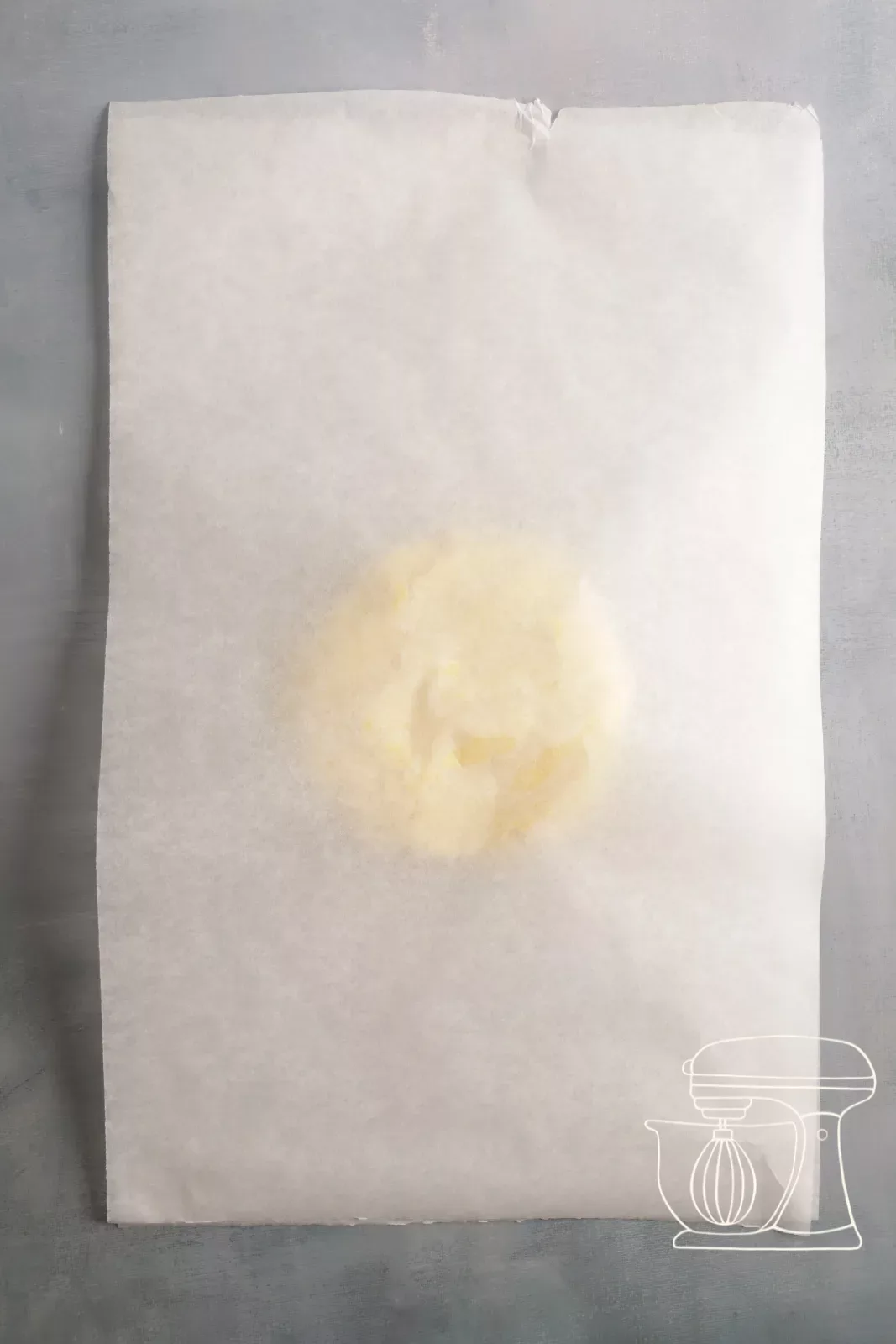
Lay the dough on a sheet of baking paper and cover it with a second sheet. This way it won't stick to the rolling pin while you roll it out.
Baking paper in dispenser
Roll out with dough guides
Place one 5 mm and one 3 mm dough guide on top of each other, which gives you exactly 8 mm of thickness. Position the guides on the left and right of the dough and roll it out with a large rolling pin. The guides ensure the dough is an even thickness throughout.
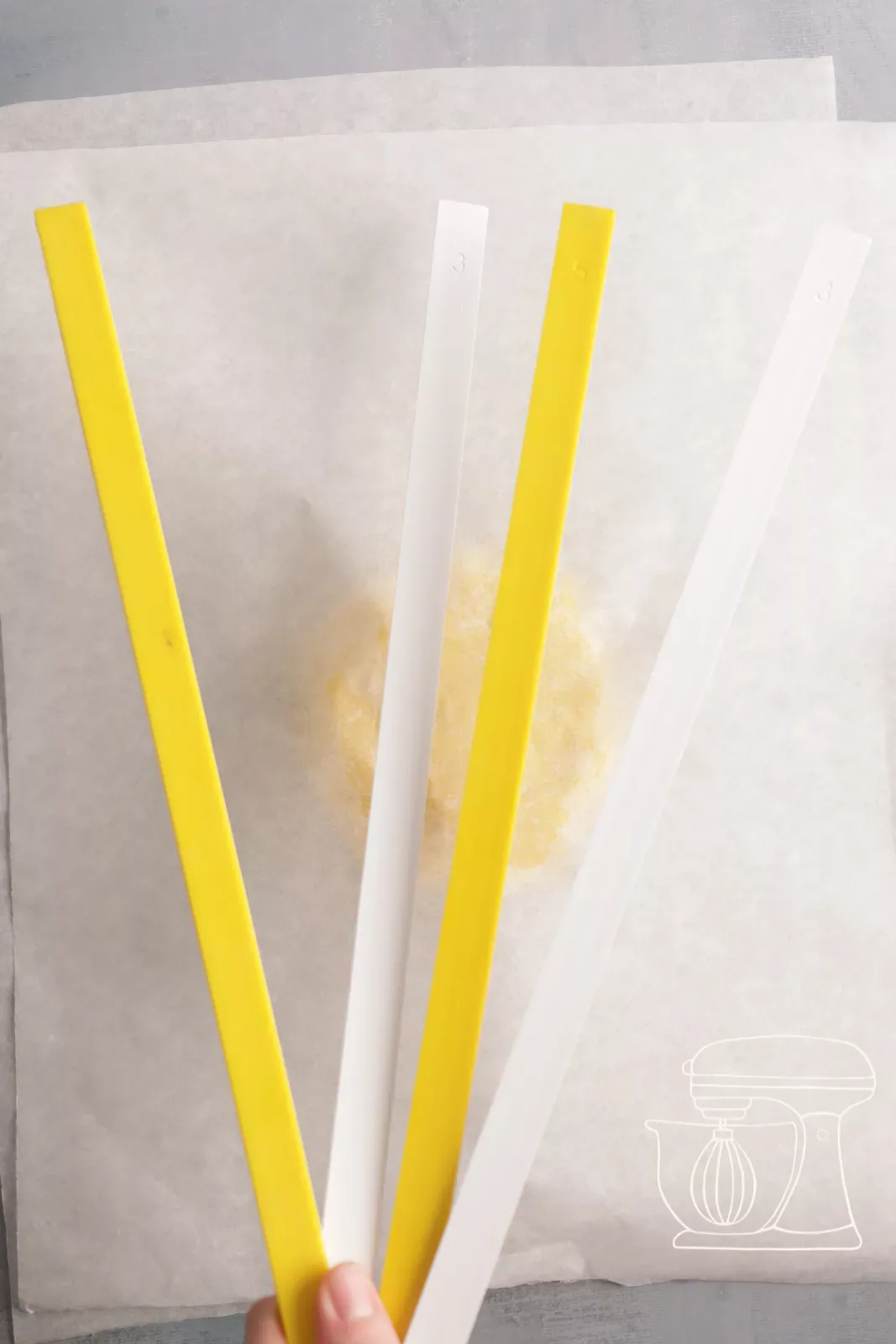
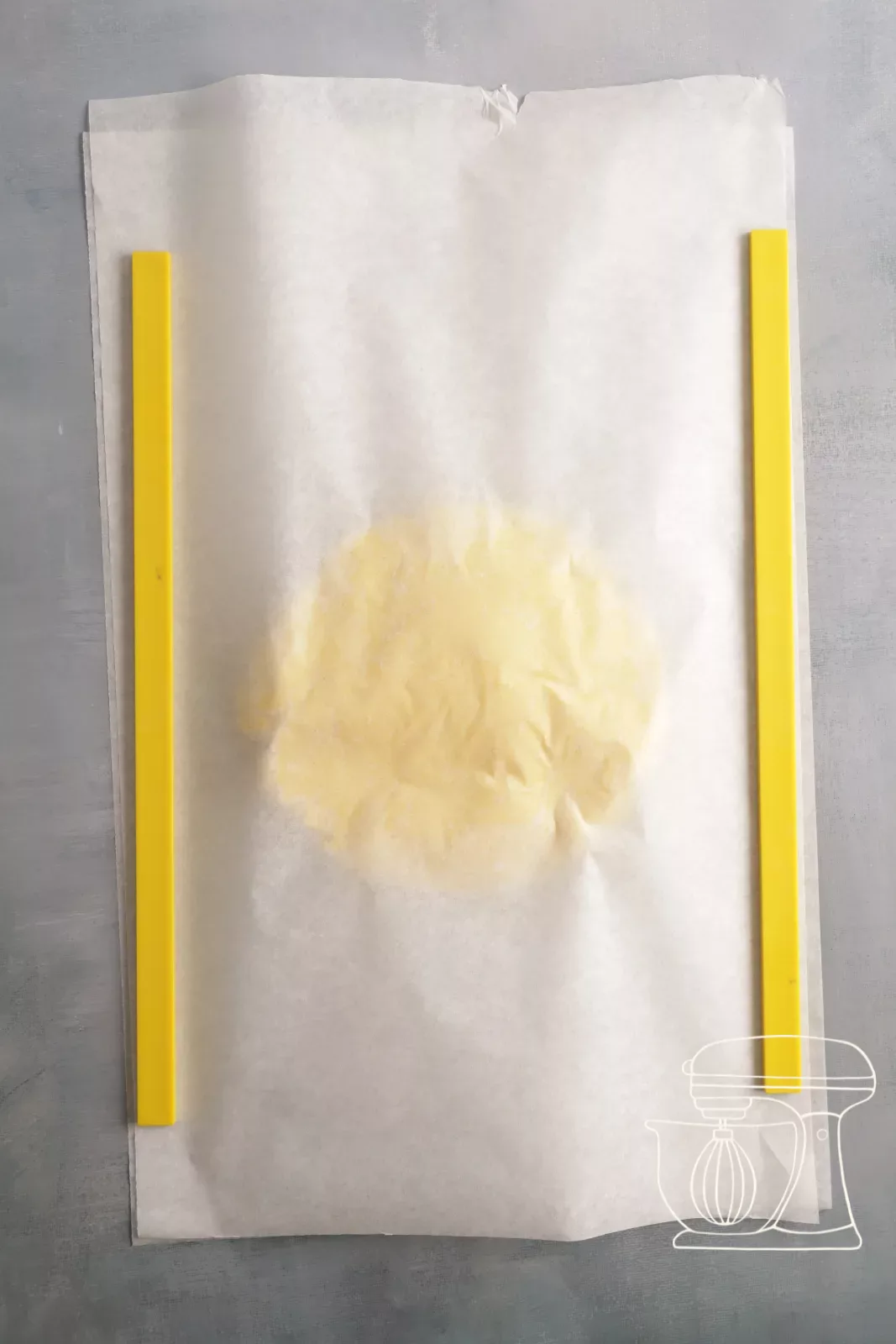
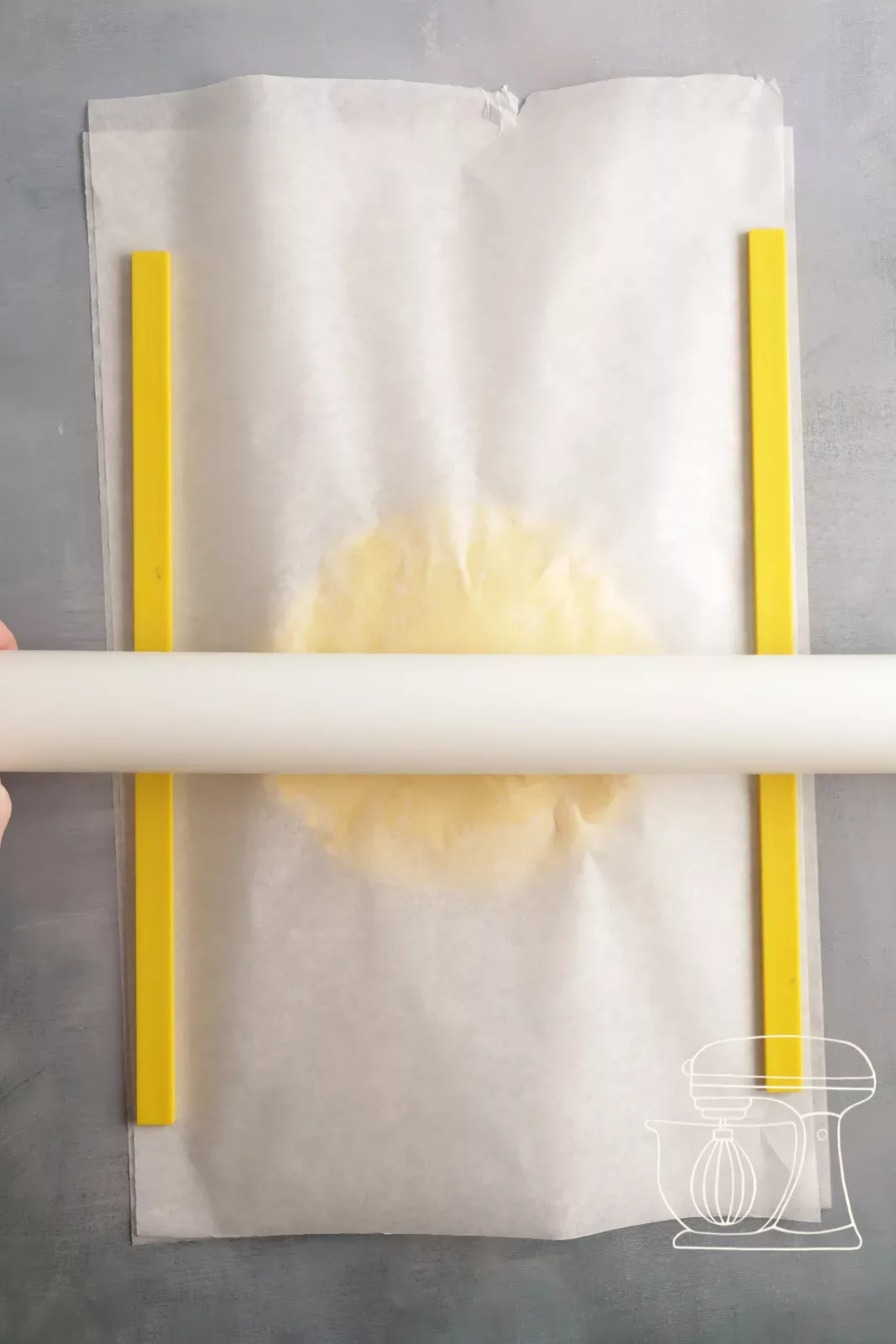
Dough guides
Non-stick rolling pin 50 cm
Chill briefly
Slide the rolled-out dough on its baking paper onto a perforated baking sheet and place it in the freezer for 10 minutes. In the meantime, preheat the oven to 170 °C convection heat.
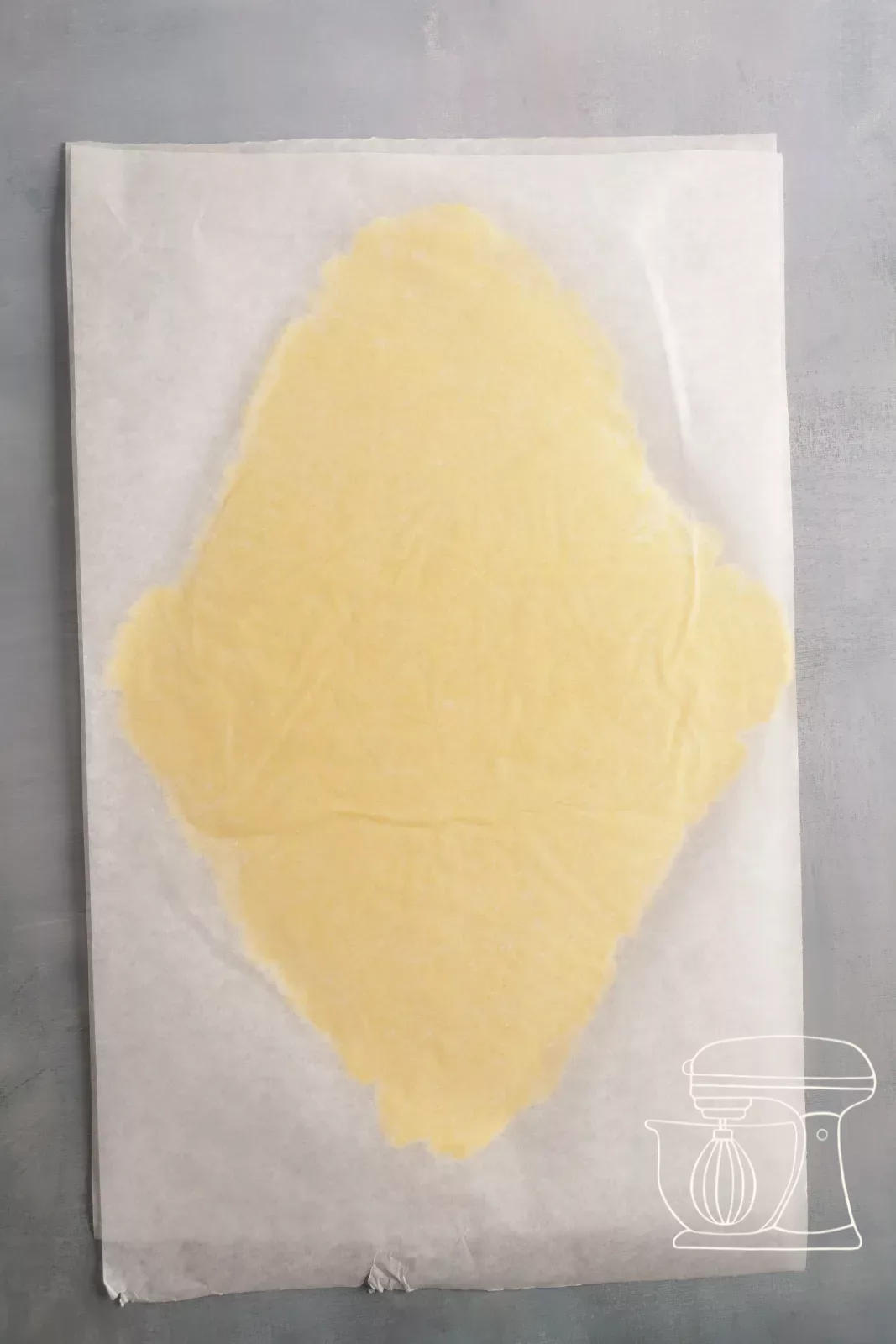
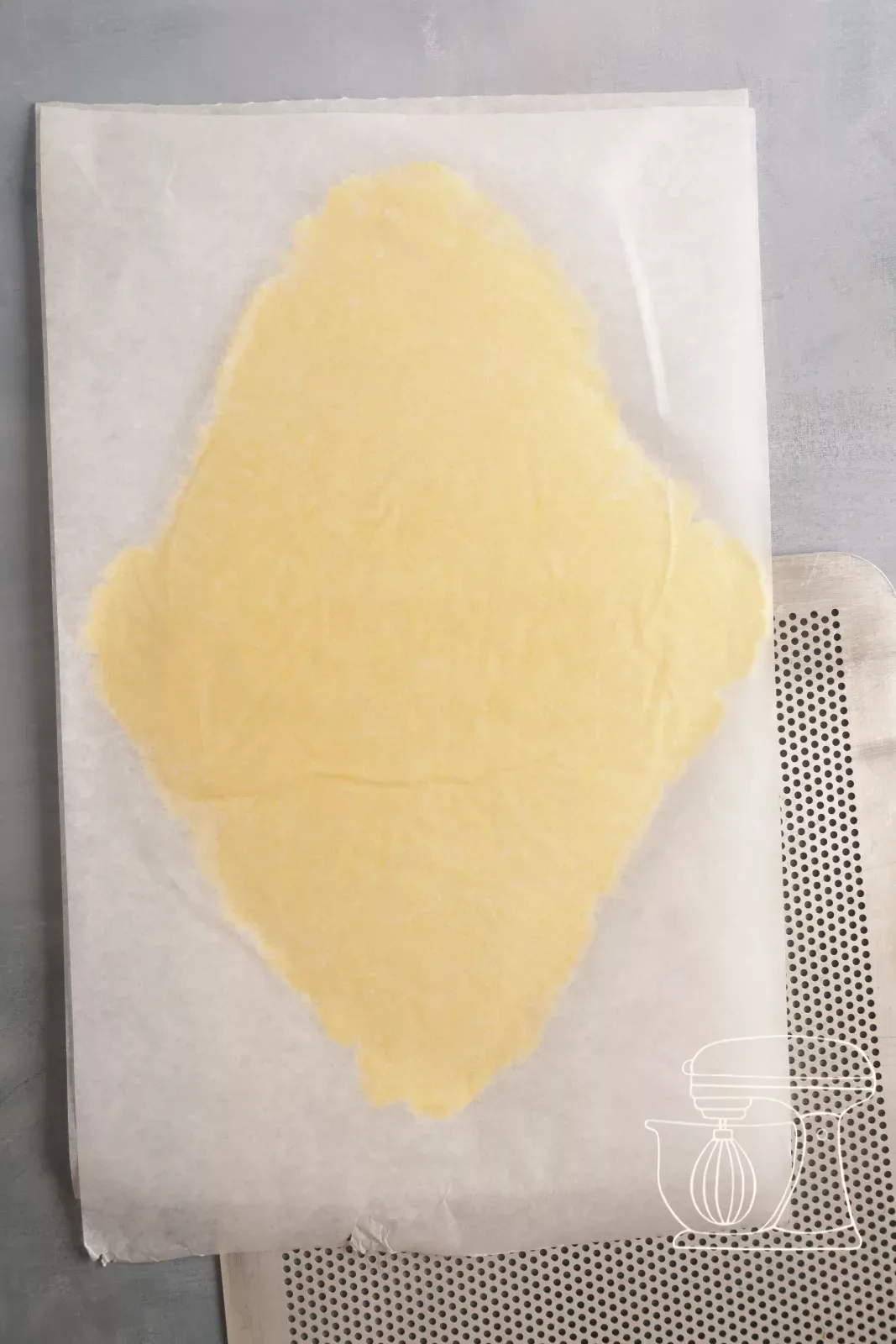
Perforated aluminium baking sheet 40 x 30 cm
Prepare the baking tin
To make sure all the sablés are equally round and equally sized, bake them in a cupcake baking tin. Spray each cavity with non-stick spray so the sablés release easily after baking.
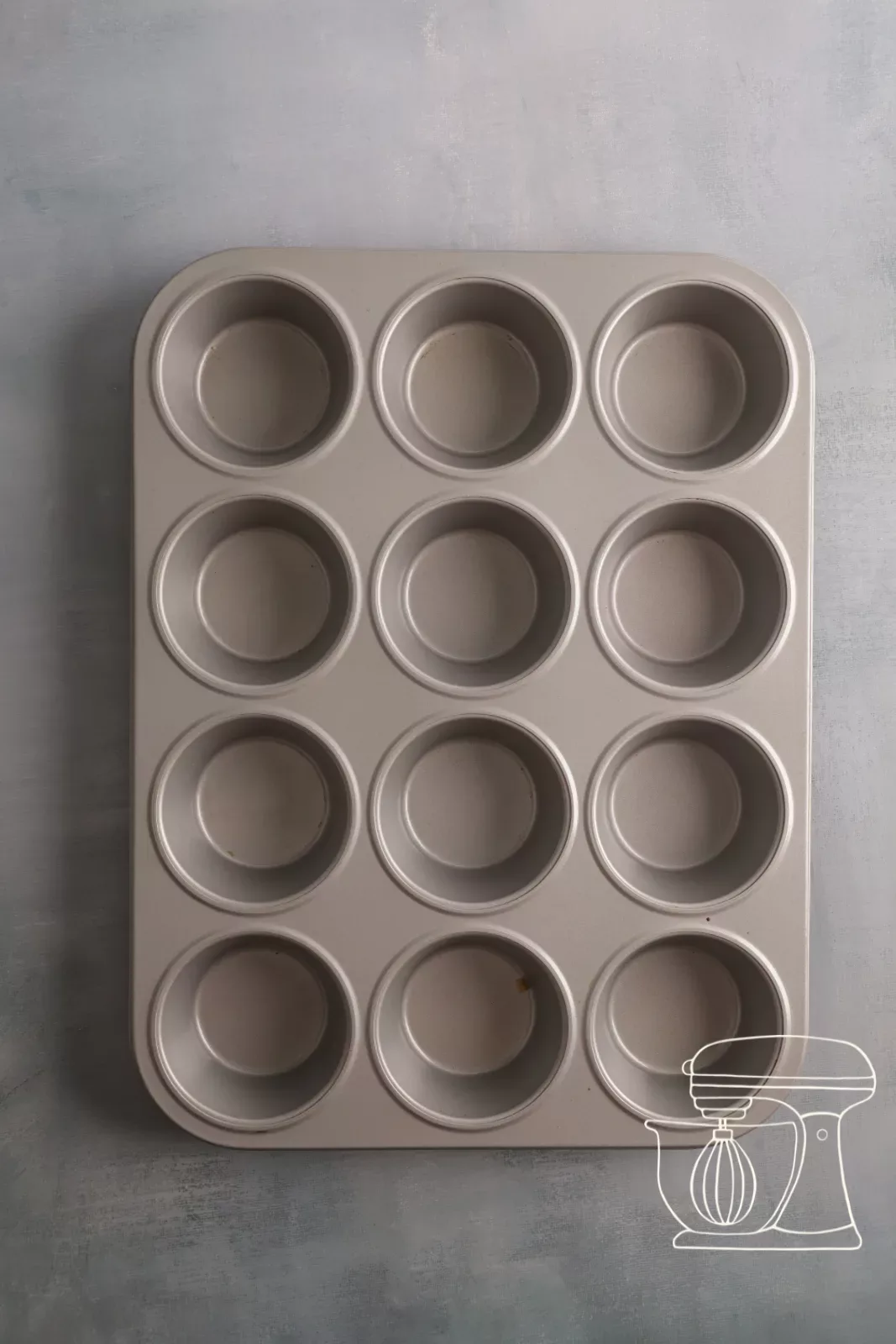
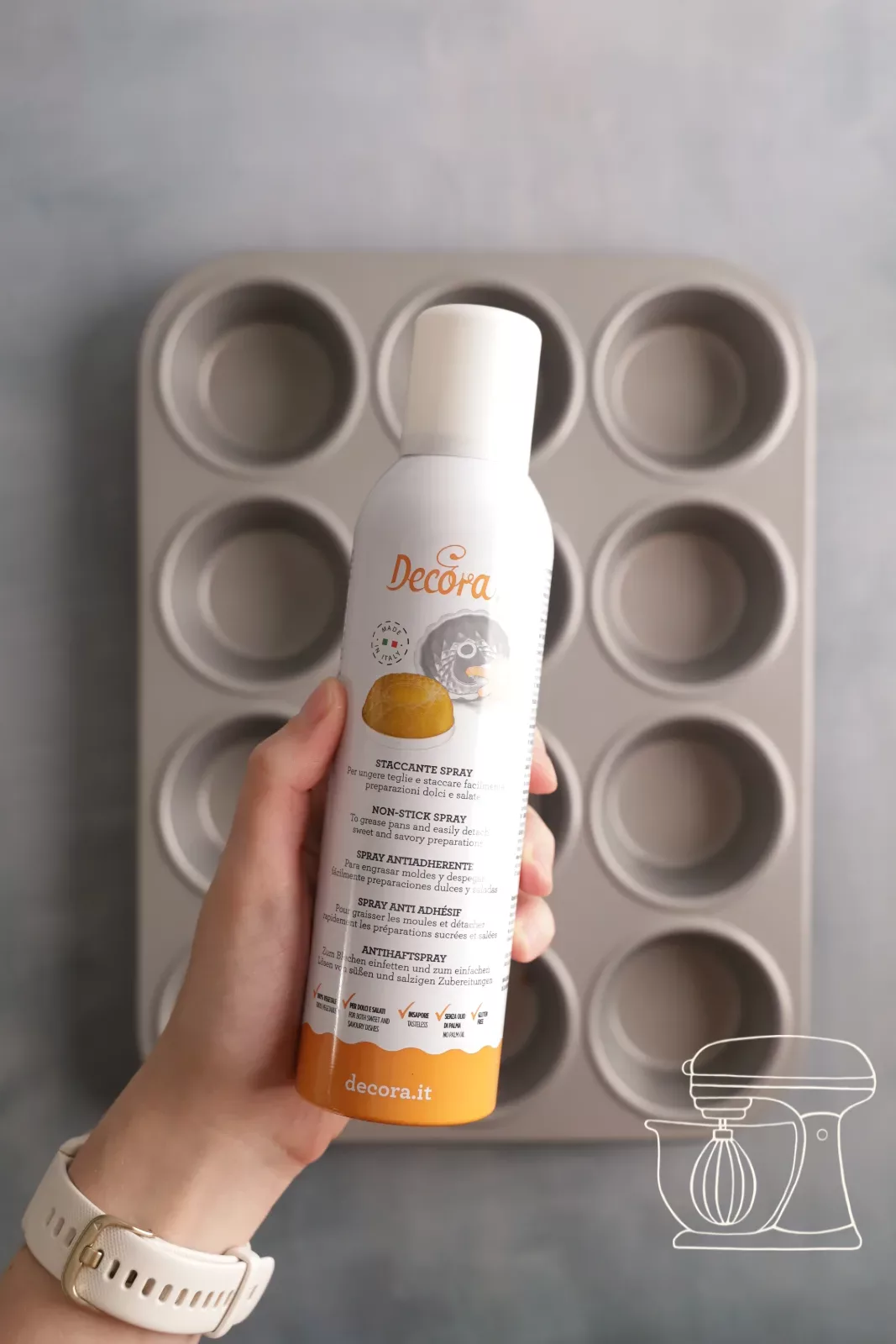
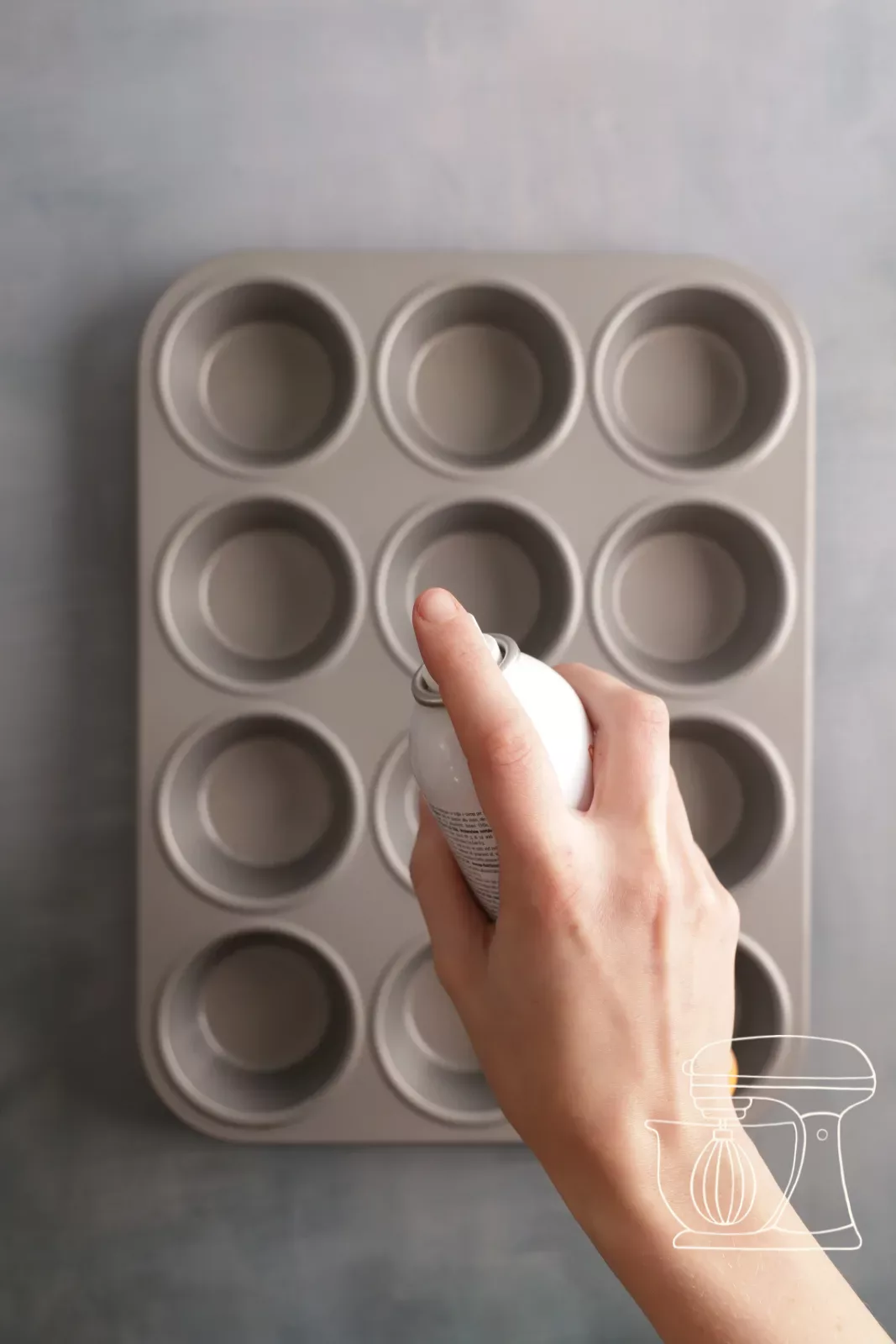
Cupcake baking tin for 12 pieces - Decora
250ml Non-stick spray
Cutting out and placing
Use a round cookie cutter to cut 5 cm circles from the dough. Lift the rounds into the cavities of the tin with a small angled spatula so they keep their shape.
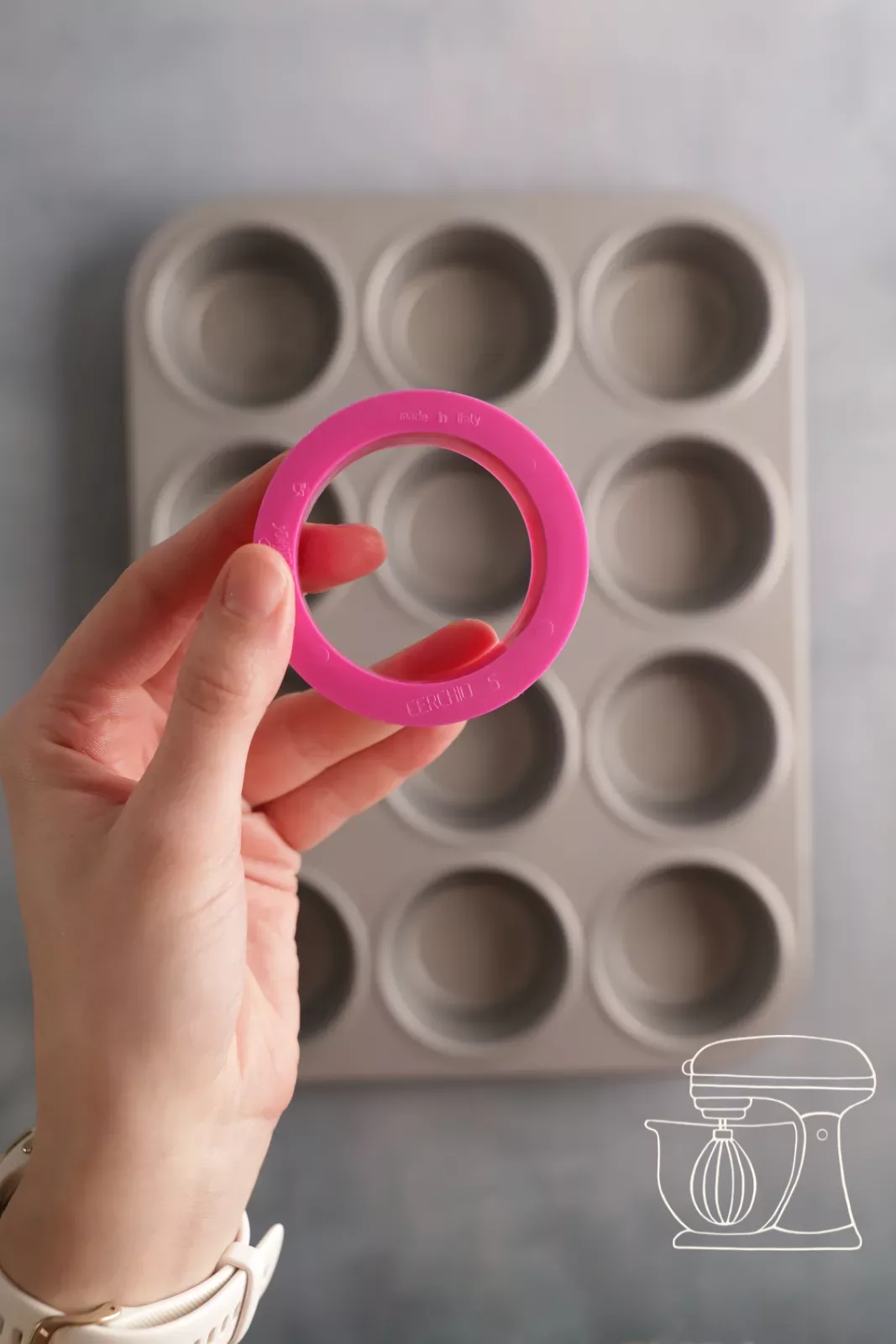
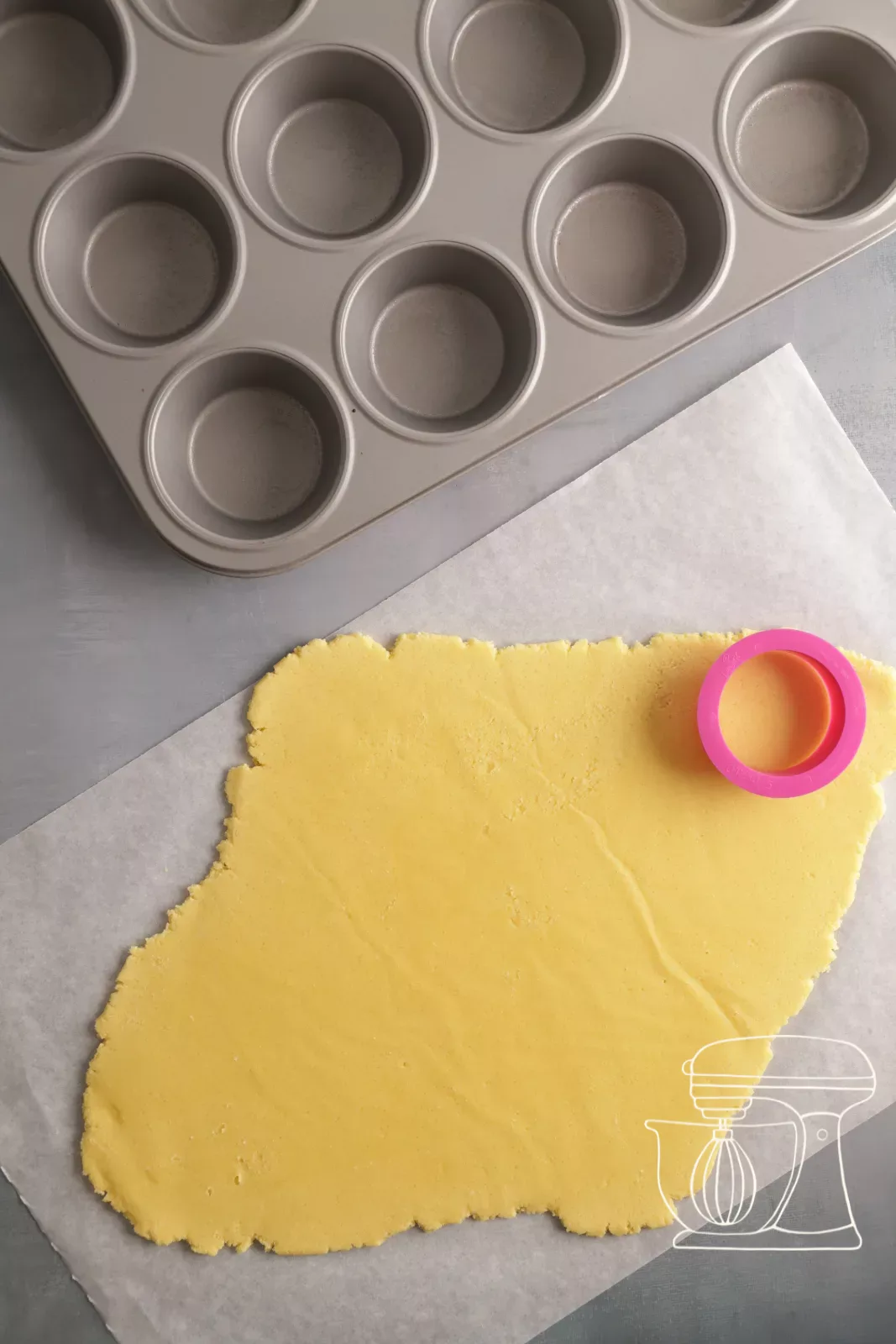
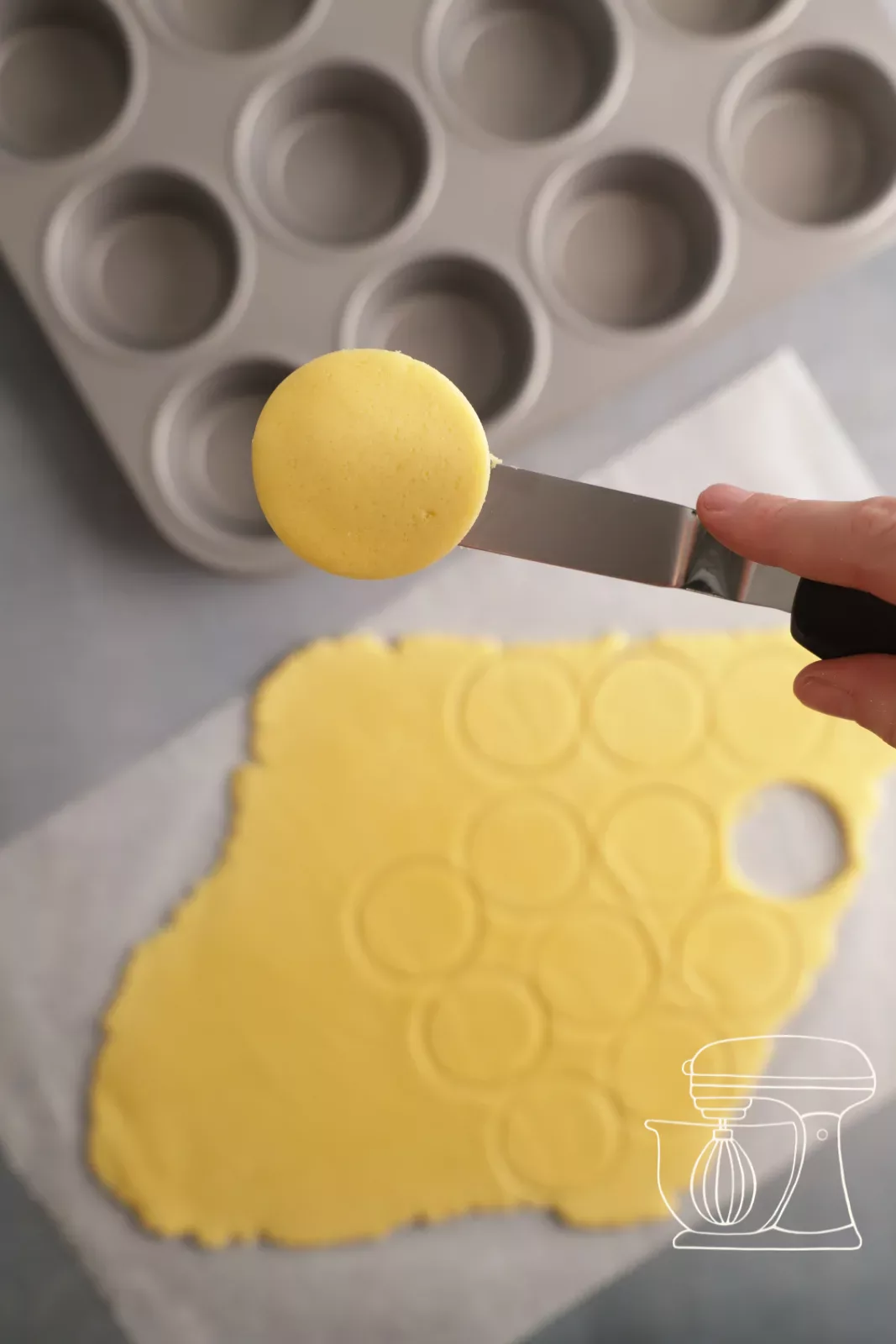
Round cookie cutters
Medium angled spatula
Baking
Bake the sablés for 12 to 14 minutes in the middle of the oven preheated to 170 °C, until they are a golden brown.
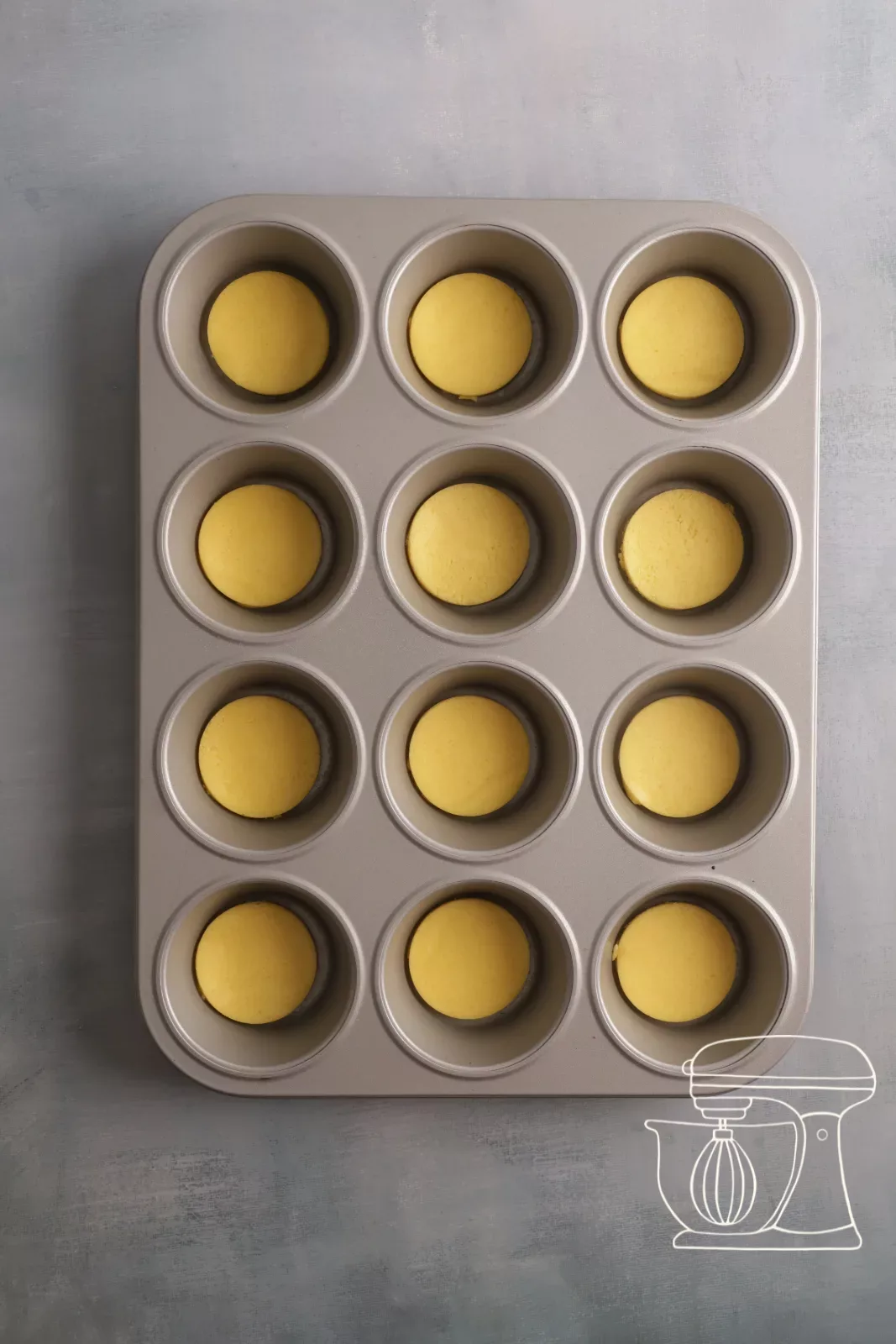
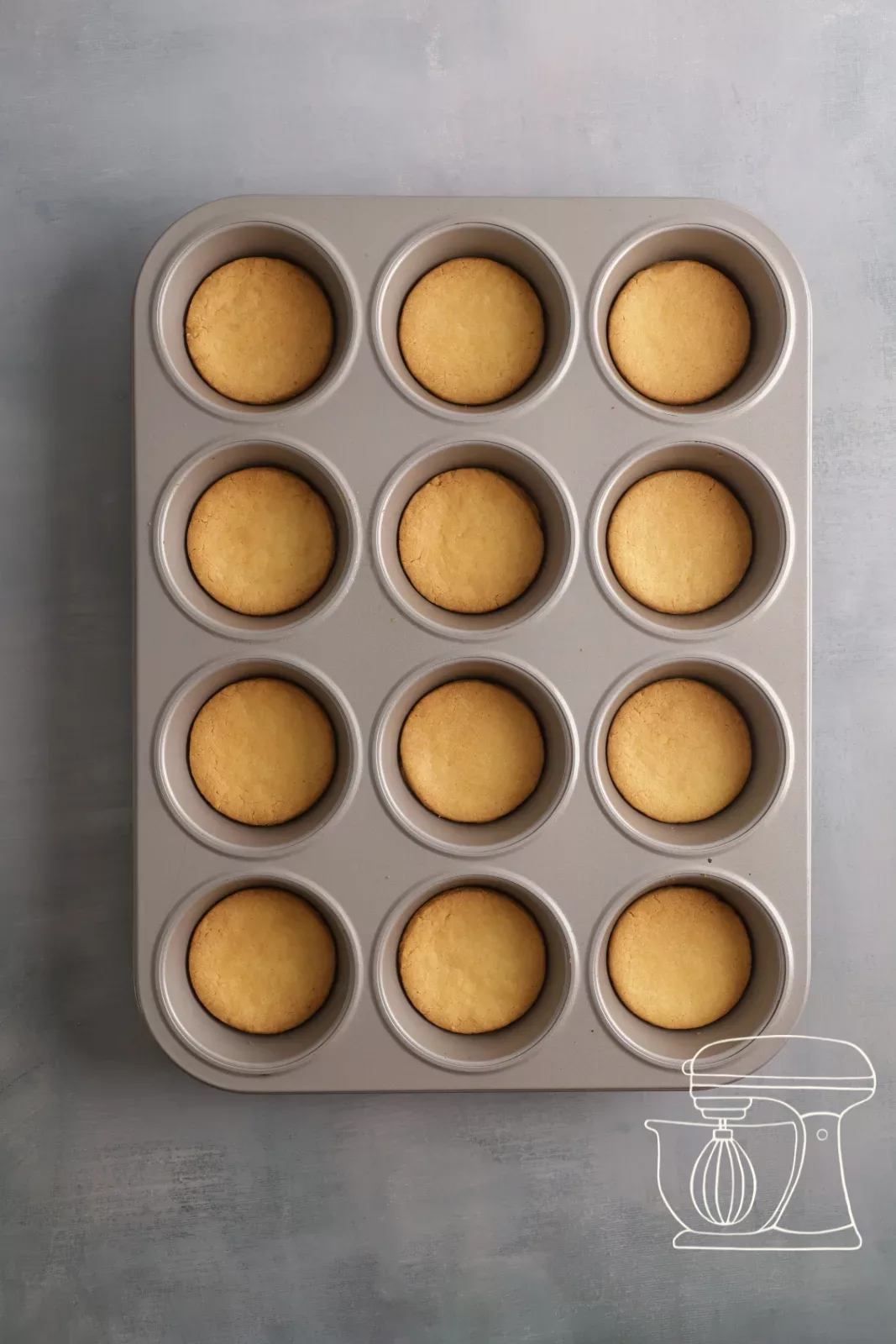
Letting them cool
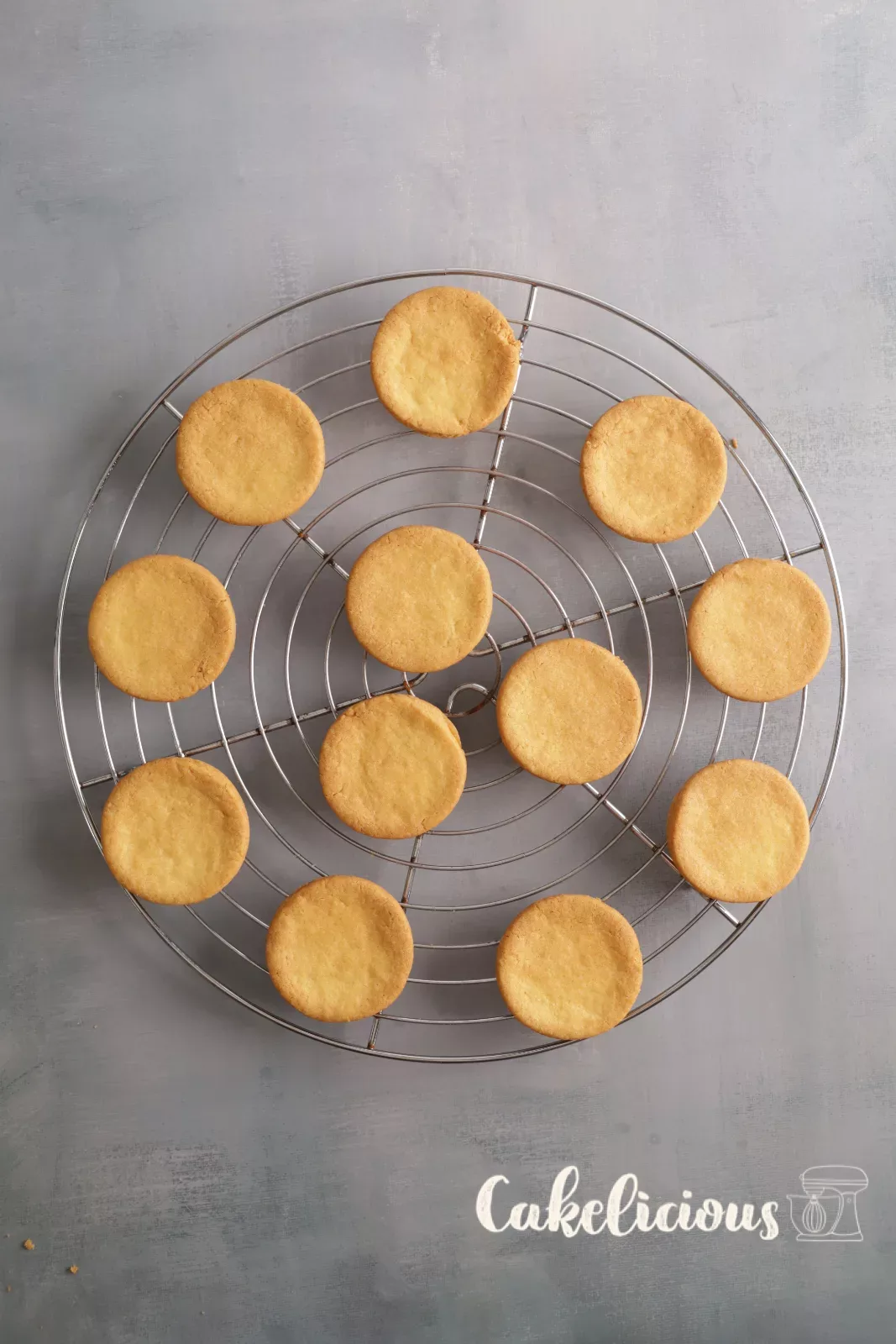
Let the sablés cool in the tin for 10 minutes. Then take them out and let them cool completely on a cake rack. Your sablés breton are ready!
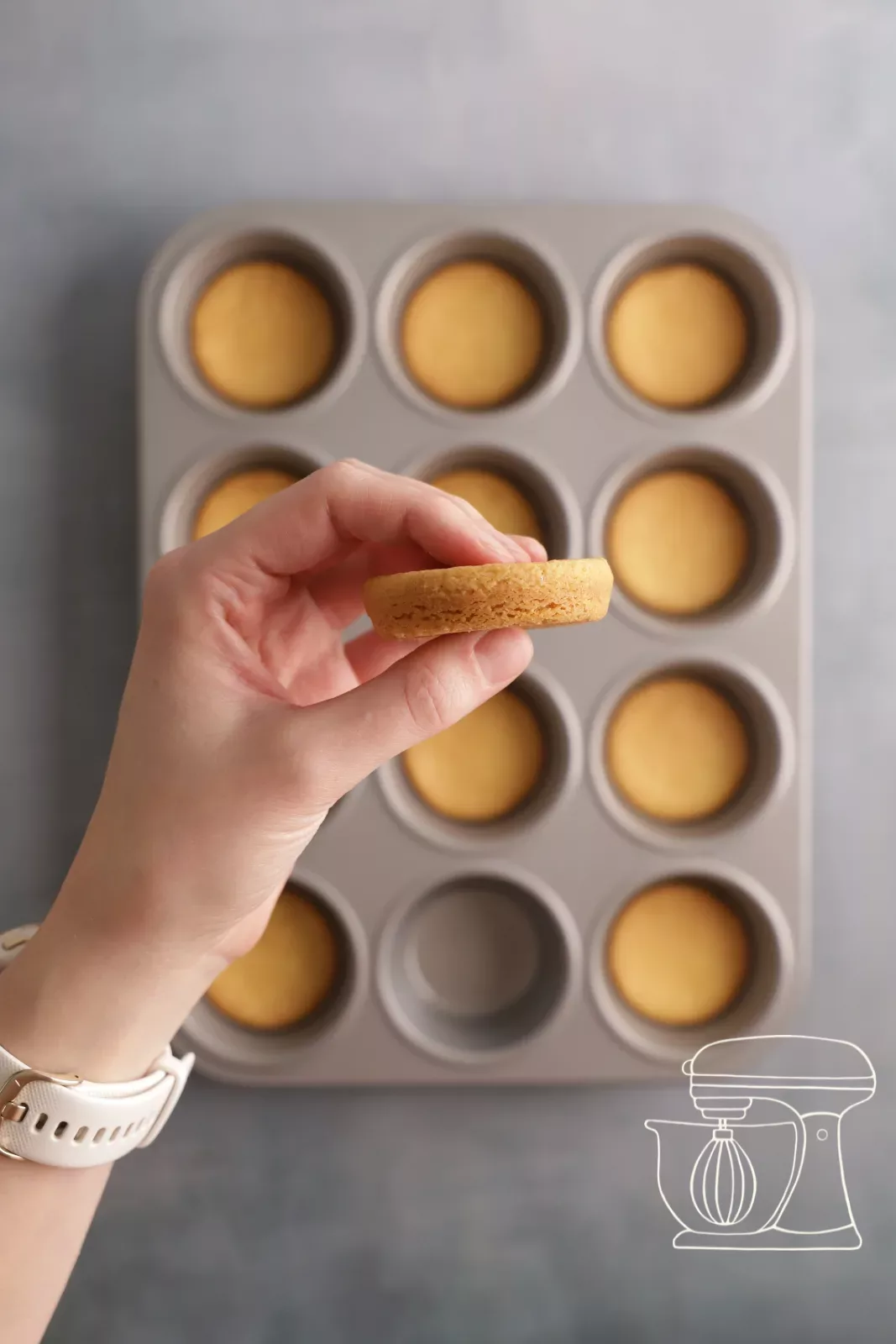
Variant: Cake base (Ø 25 cm)
Roll out and bake in the cake ring
For a cake base, place the dough on a sheet of baking paper and set a cake ring 25 cm in diameter around it. We love the Perforated Cake ring from Silikomart for this! Lay a second sheet of baking paper on top and roll out the dough inside the ring with a small rolling pin, keeping it as even in thickness as possible. That way you won't have any dough left over.
Peel off the top baking paper and put the dough with the ring in the freezer for 1 hour. Preheat the oven to 170 °C convection. Place the well-chilled dough on a perforated baking sheet and bake for 20 to 25 minutes. After baking, remove the ring and let the base cool on the perforated baking sheet.
Perforated cake rings, diameter to choose from: 25 cm
Small rolling pin 22.8 cm
Perforated aluminium sheet 40 x 30 cm
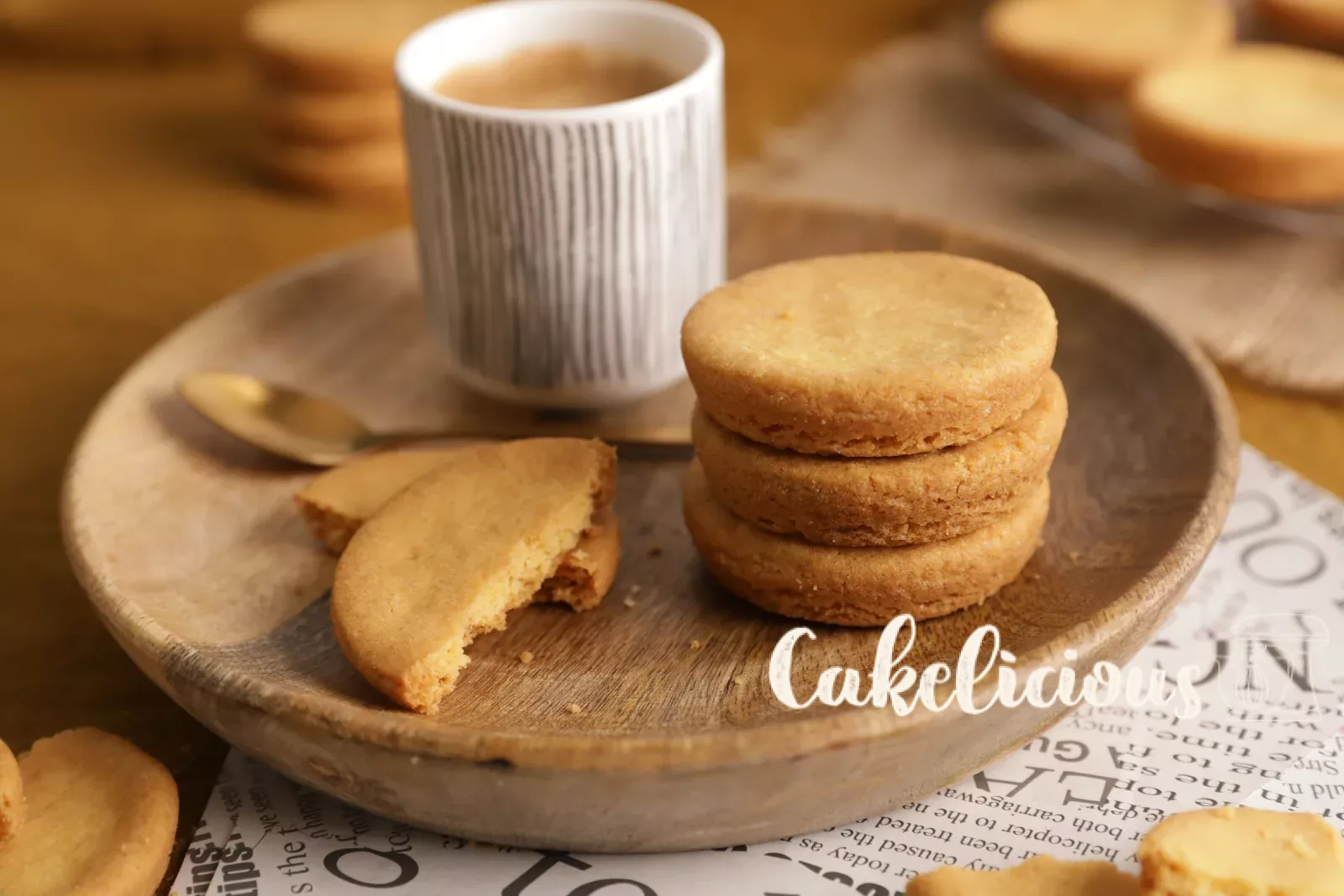
Sablé breton
Ingredients
Sablé breton
Preparation
- Dough: Cream 110 g butter and 105 g sugar, stir in 2 egg yolks, 2 g salt and 4 g baking powder, then fold in 150 g flour on speed 1 for no more than 10 to 20 sec.
- Rolling out: Roll out between two sheets of baking paper with rolling pins to 8 mm, freeze for 10 min.
- Baking: Cut out 5 cm circles, place them in the greased cupcake tin, bake for 12 to 14 min. at 170 °C convection.
- Cake base: Roll out in a 25 cm ring, freeze for 1 hr., bake for 20 to 25 min. at 170 °C convection.
Nutrition per 100 g
Storage & shelf life
Everything for this recipe
Recommended by our bakery, in exactly the sizes this recipe was tested with.
Ingredients
Baking powder 80g
Swiss white flour, 1 kg
250ml Non-stick spray
Accessories
Digital spoon scale
Baking paper in dispenser
Dough sticks
Non-stick rolling pin 50 cm
Perforated aluminium sheet 40 x 30 cm
Cupcake baking tin for 12 pieces - Decora
Round cookie cutters
Medium angled spatula
Perforated cake rings - diameter to choose from: 25 cm
Small rolling pin 22.8 cm
Delivery in 1 to 2 working days · Free shipping from CHF 100
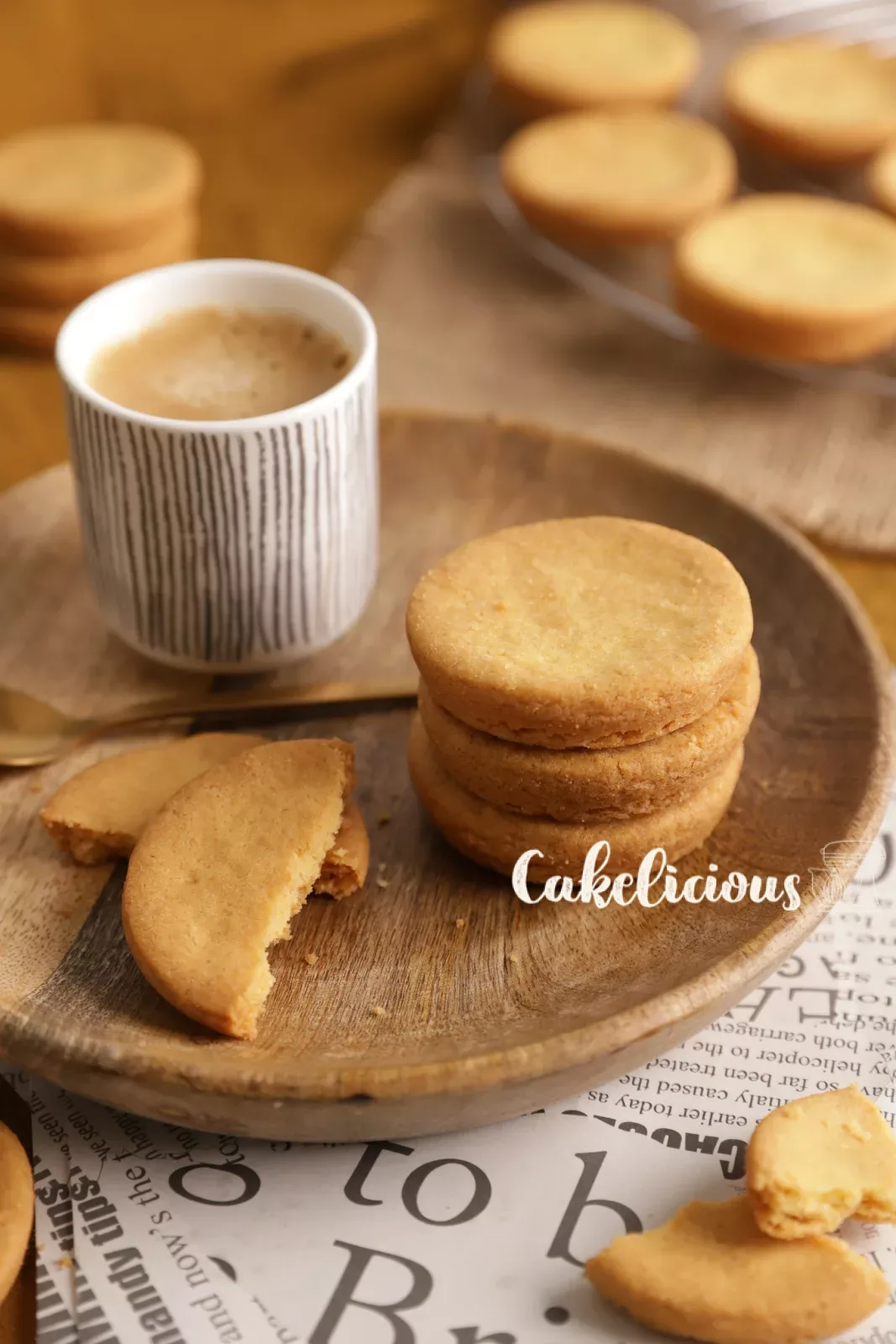
To make sure it works every time
Once the flour is in, mix for no more than 10 to 20 seconds on the lowest setting. If the dough is worked for too long, it becomes tough instead of crumbly.
Dough sticks (5 mm plus 3 mm) and the cupcake tin help make sure all the sablés are the same thickness and the same round shape. That way they all turn golden brown at the same time.
Sablé breton is the perfect way to use up leftover egg yolks. A clever way to avoid waste, and you can use the egg whites for Meringue or Macaron.
Frequently asked questions
Yes! Wrap it individually and seal it well so it is protected from moisture. For a tart, take the base straight from the freezer, fill it and let the finished tart thaw in the fridge.
As small biscuits with coffee or tea, nicely packaged as a gift, or as a crisp base for tarts such as our Apfel-Vanille-Tarte and Rhabarber-Erdbeer-Tarte.
In an airtight tin they keep for 3 to 4 days and stay nicely crisp.
Print recipe
Choose what should appear on the printout.
Related posts
 Juicy Matcha Muffins with Pecan Nuts & White Chocolate
Matcha Iced Latte & Coconut Variant
Pull-apart bread with fresh wild garlic pesto
Mini Banana Bread with Chocolate Chips
Leave a comment