
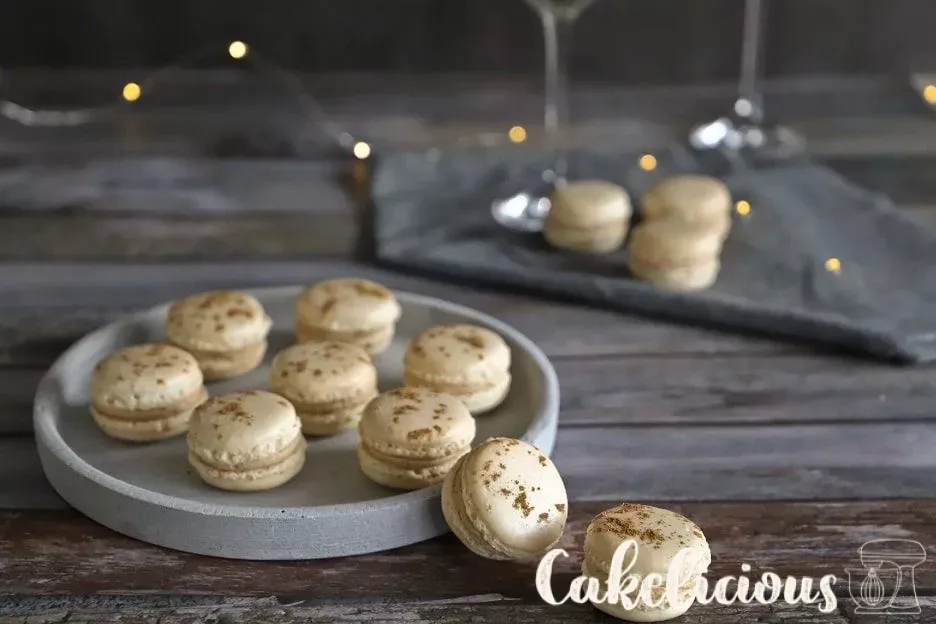
Duck Liver Macarons
Savoury macarons with duck liver mousse and a touch of gingerbread spice
Hello food lovers,
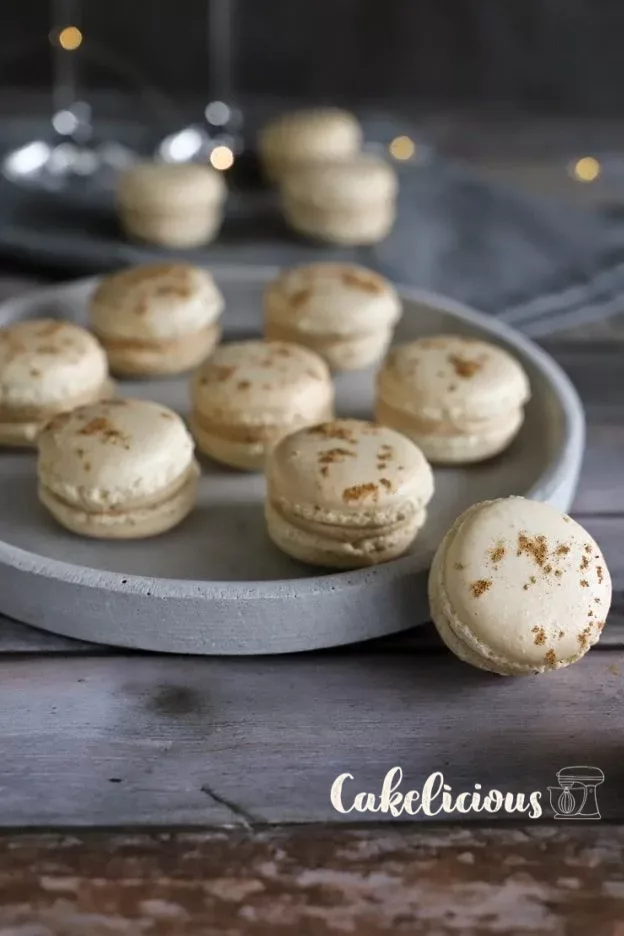
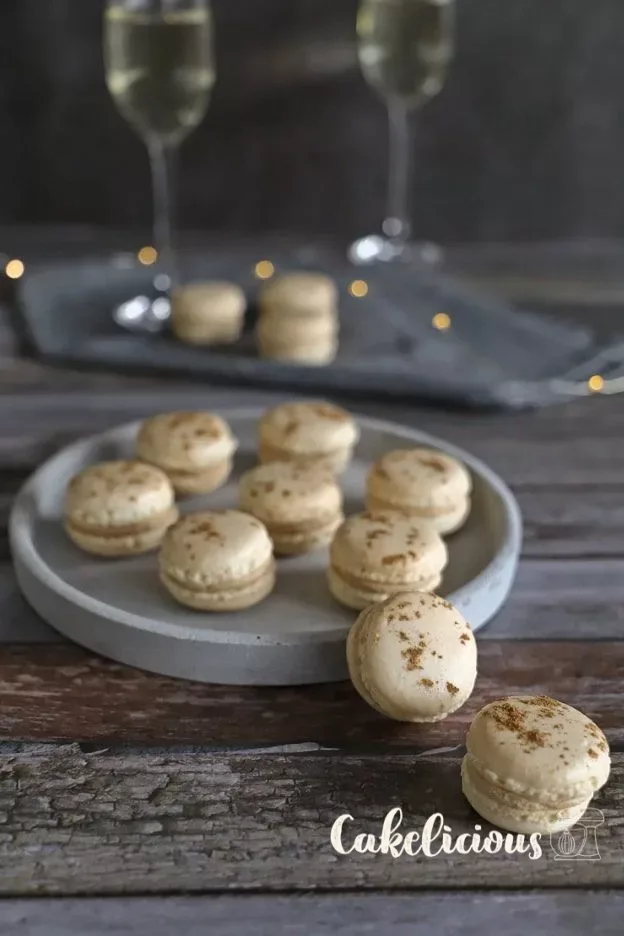
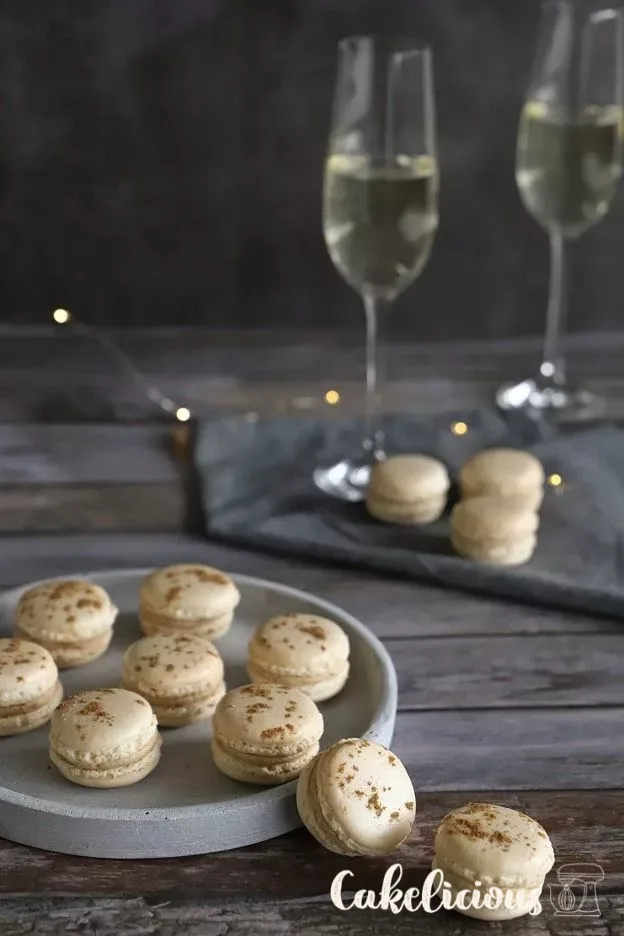
this week we're going savoury! I'm showing you macarons that fit perfectly into the Christmas season: filled with a light mousse made from duck liver (foie gras) and refined with a touch of gingerbread spice.
The lightly sweet, crisp shells and the delicate, savoury filling make a wonderful combination. And the gingerbread spice? It goes beautifully with the duck liver and brings in the festive aroma.
For the shells I used Karin's basic recipe with French meringue, which she also uses for her Praline Macarons. I think it's great! The filling is very quick to make: you only need duck liver and butter.
These savoury macarons are ideal for an apéro over the festive period and also make a lovely little gift from the kitchen. Let's get started!
Ingredients
Macaron shells (70 pieces)
Duck liver mousse
Step by Step
Macaron shells
Almond flour and icing sugar mixen
Mix 150 g almond flour and 150 g icing sugar with a spoon. The almond flour should be ground as finely as possible, which really matters for macarons.
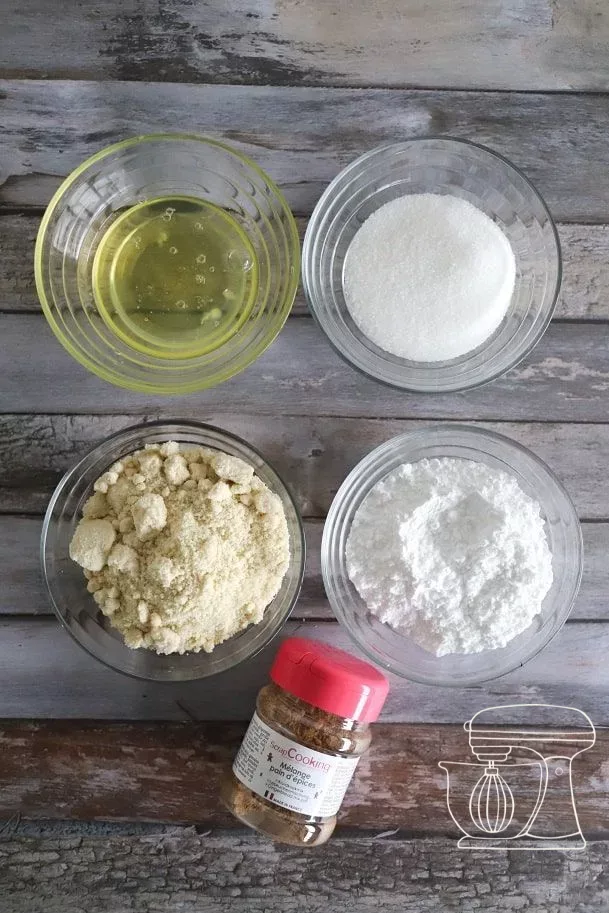
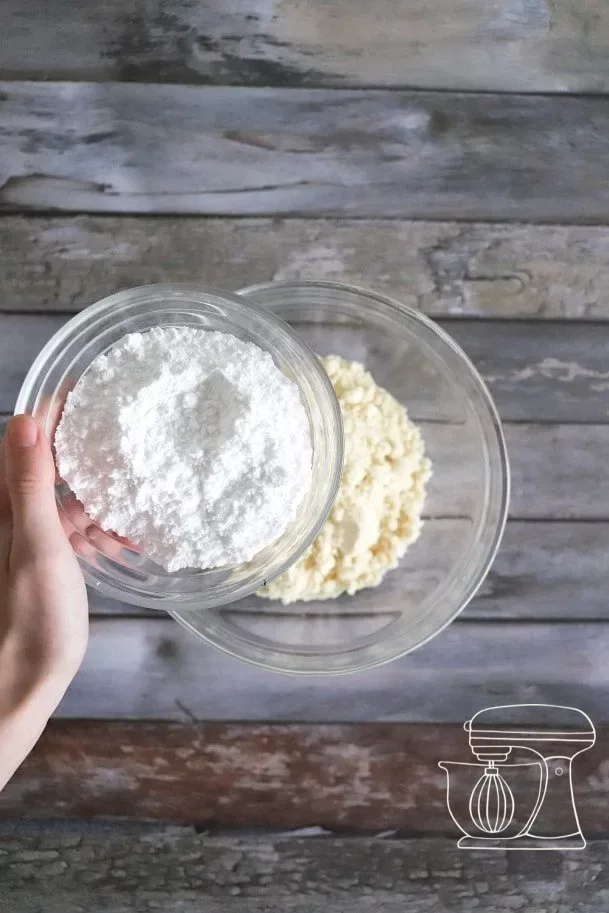
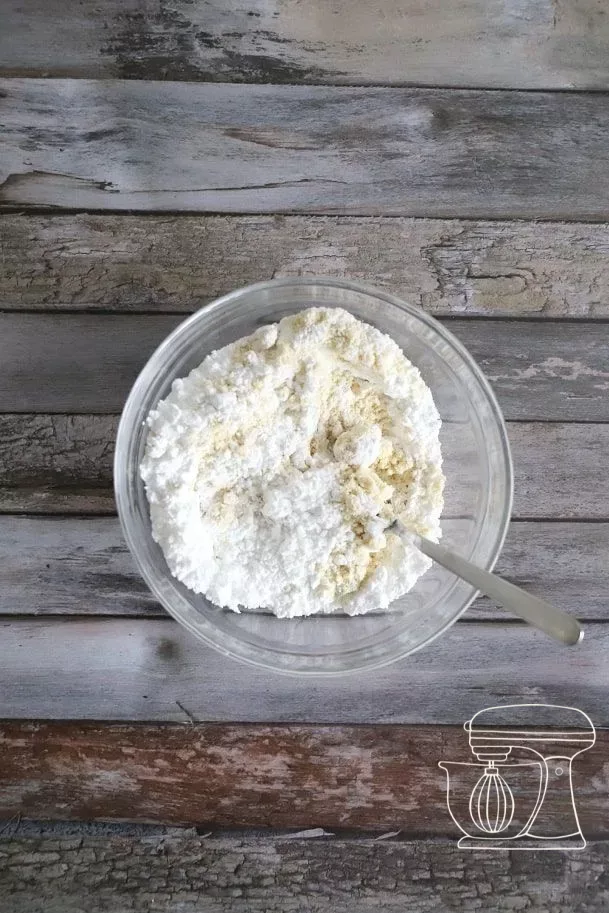
White almond flour extra fine
Mix finely
For perfectly smooth shells, briefly blitz the almond and icing sugar mixture in a mixer.
Be careful not to mix for too long: the mixture should stay powdery and must not become pasty. Then set it aside.
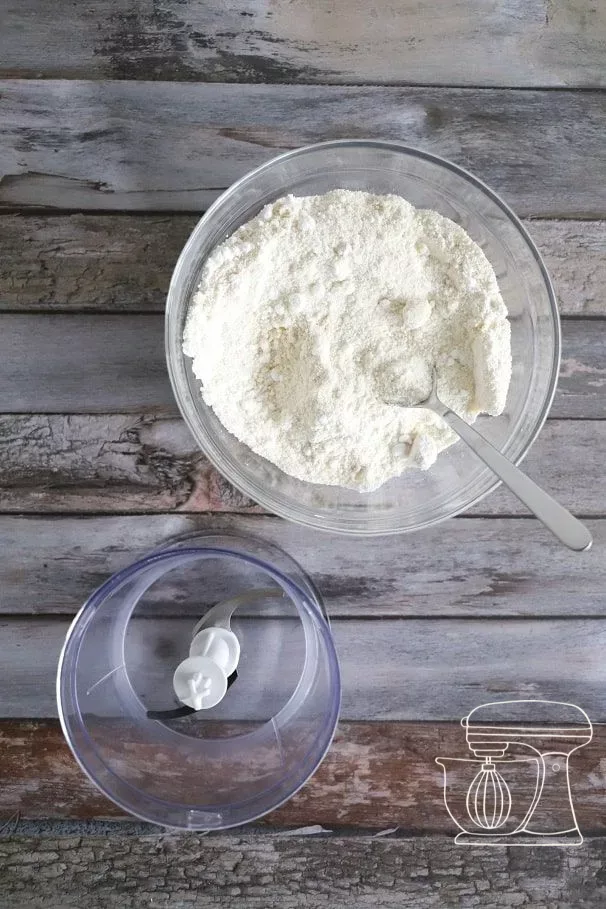
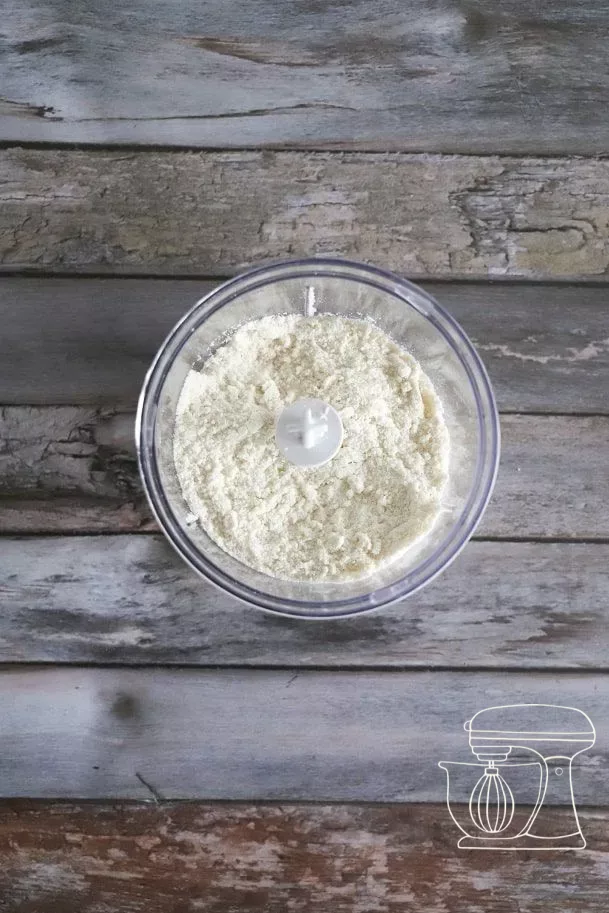
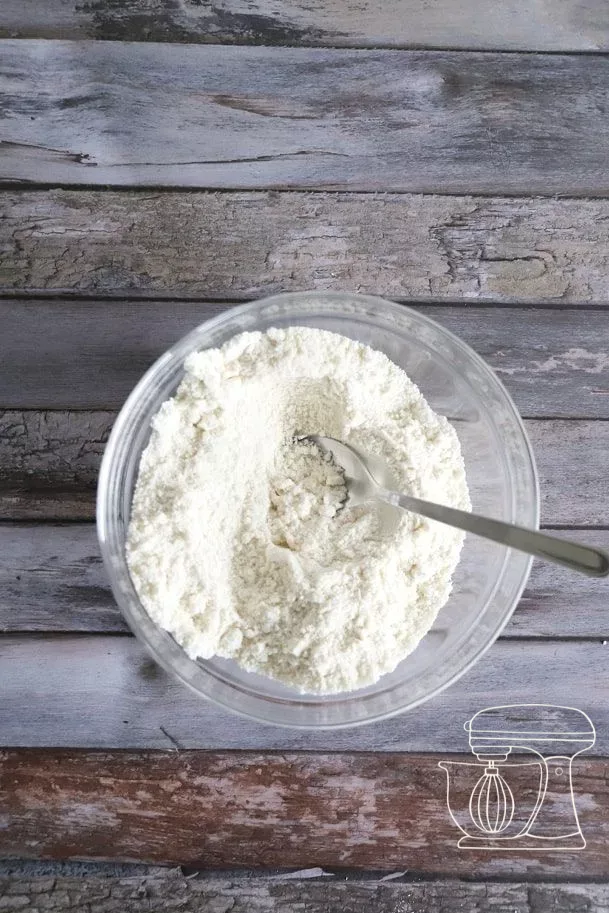
Whip the egg whites
Put 120 g egg whites and 20 g sugar into a grease-free mixing bowl and whip both on medium speed.
Important: the eggs should be at least 10 days old. This makes a big difference to the final result of the shells.
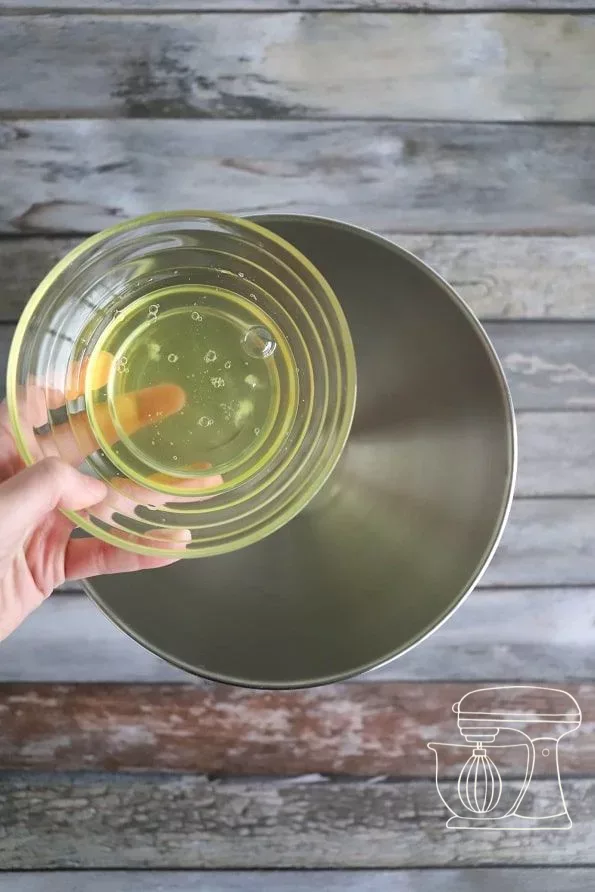
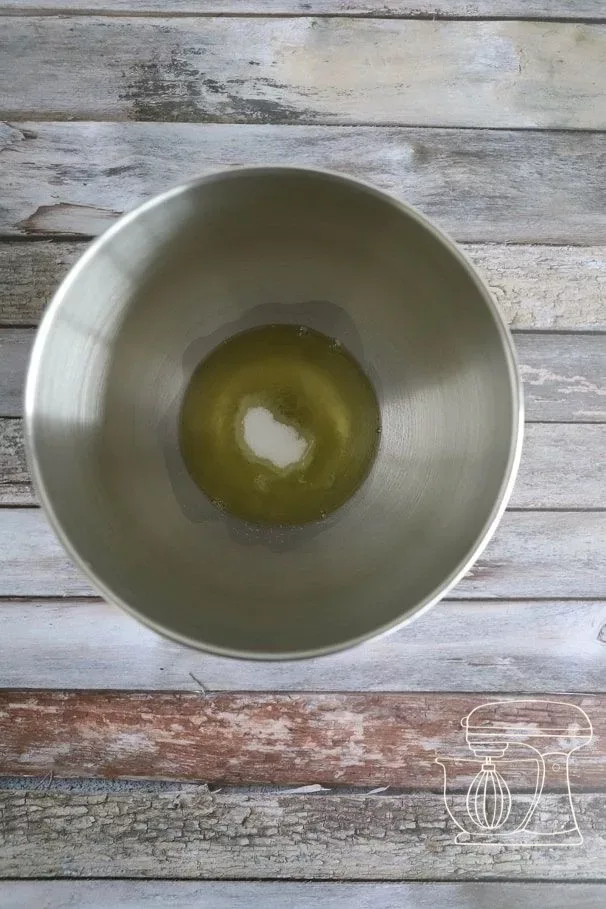
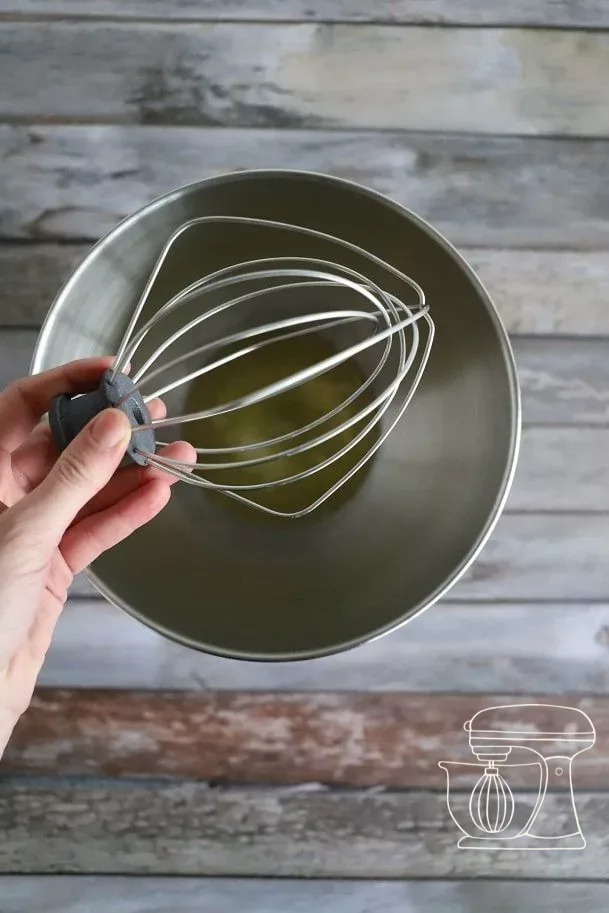
Whip the meringue until firm
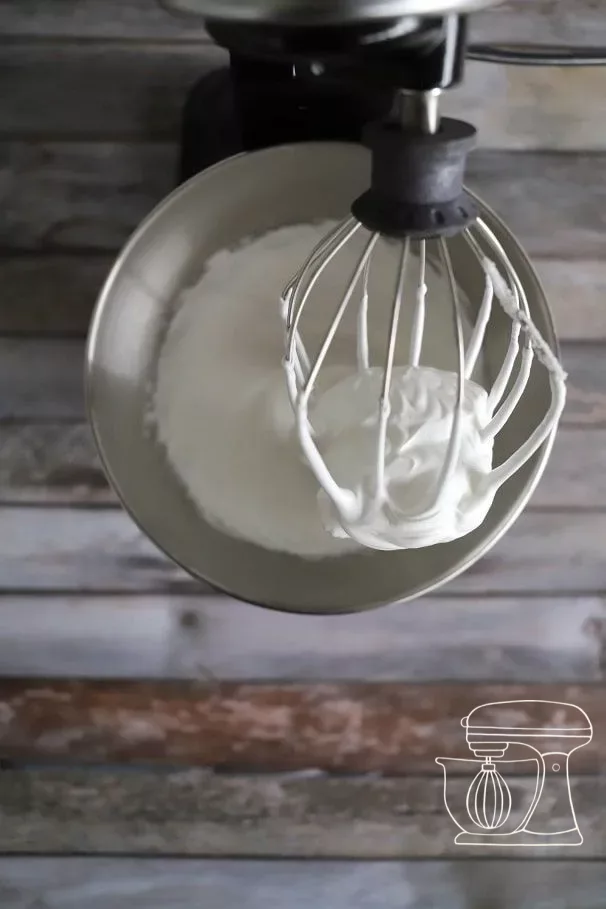
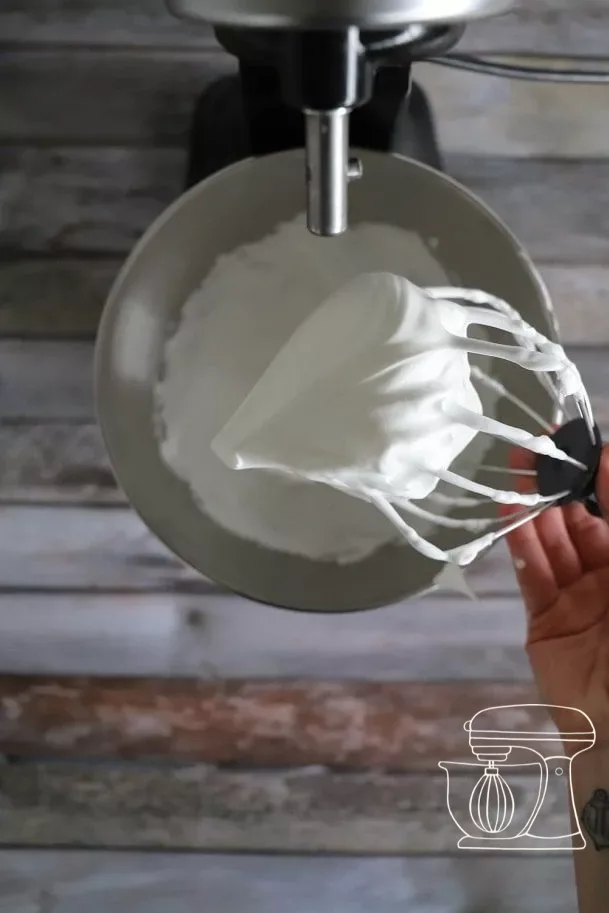
Once the egg whites are foamy and pale, add the remaining 100 g sugar in 4 portions. Wait 1 bis 2 minutes between each portion.
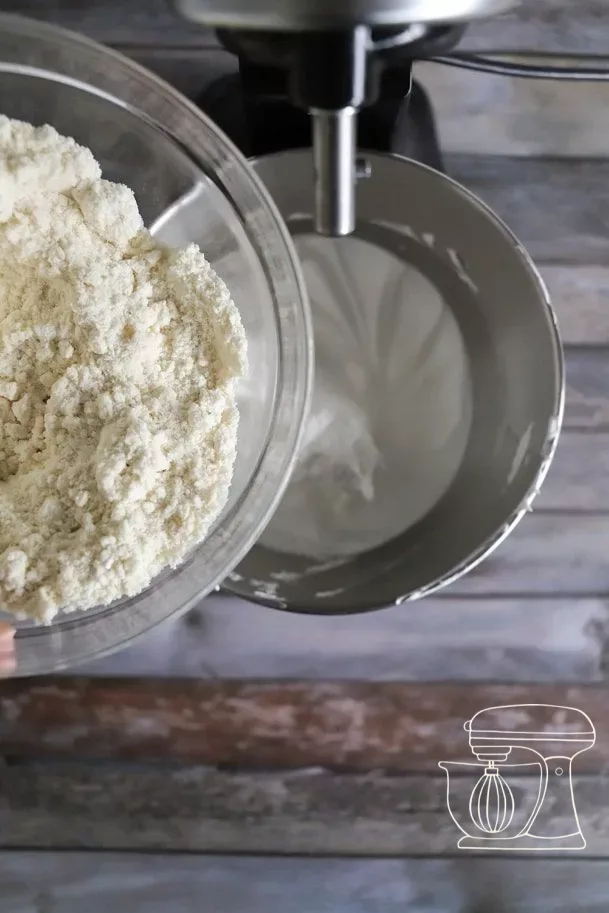
This is the only way to get a firm meringue, and that is crucial for macarons. It is ready when it forms a nice peak, as in the third photo.
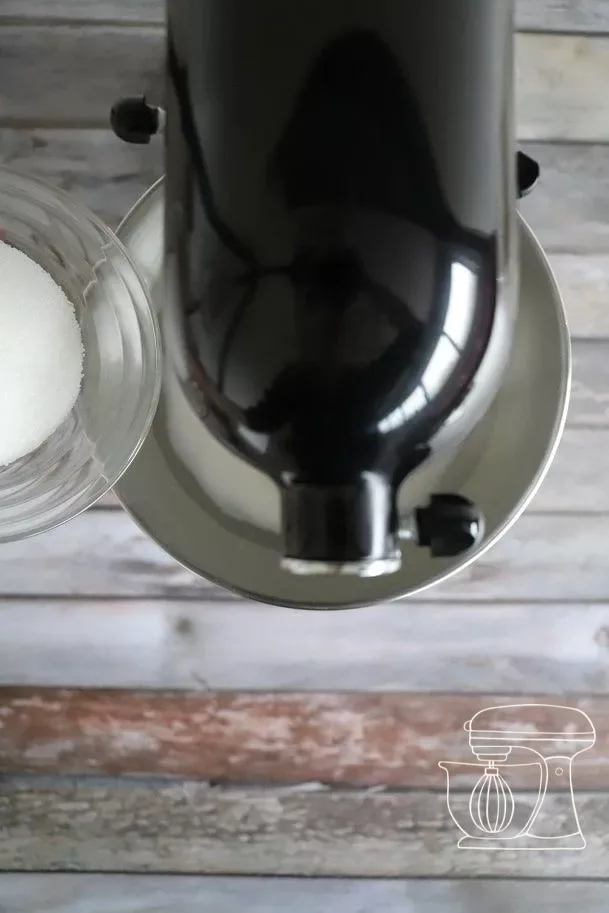
Fold in the almond mixture
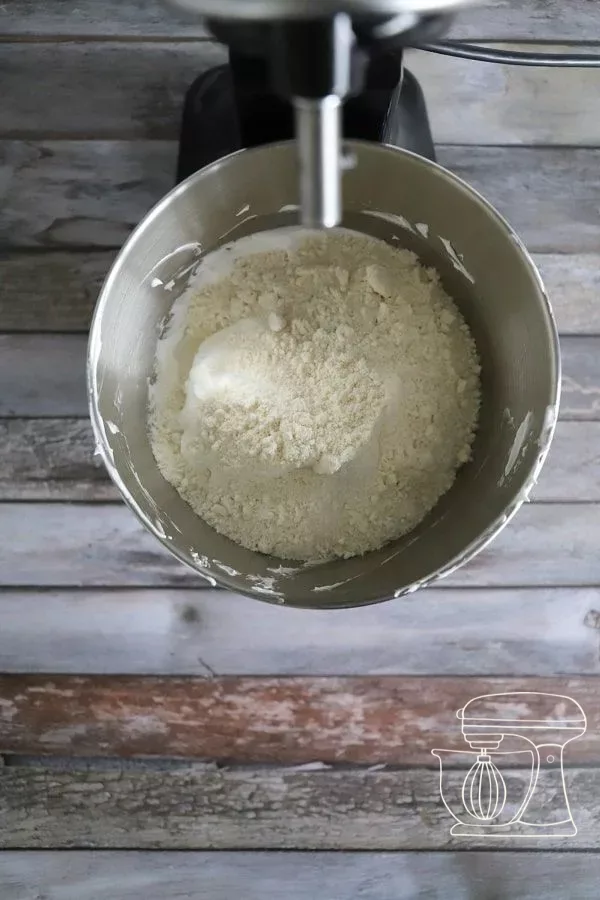
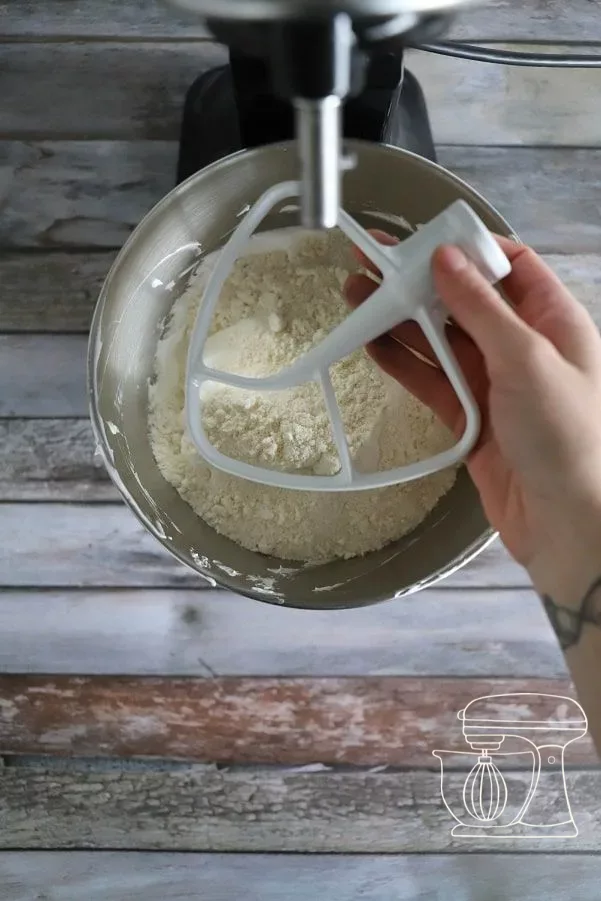
Add the entire almond and icing sugar mixture at once to the stiffly whipped meringue and fold it in with the K beater on speed 1.
White almond flour extra fine
Macaronage
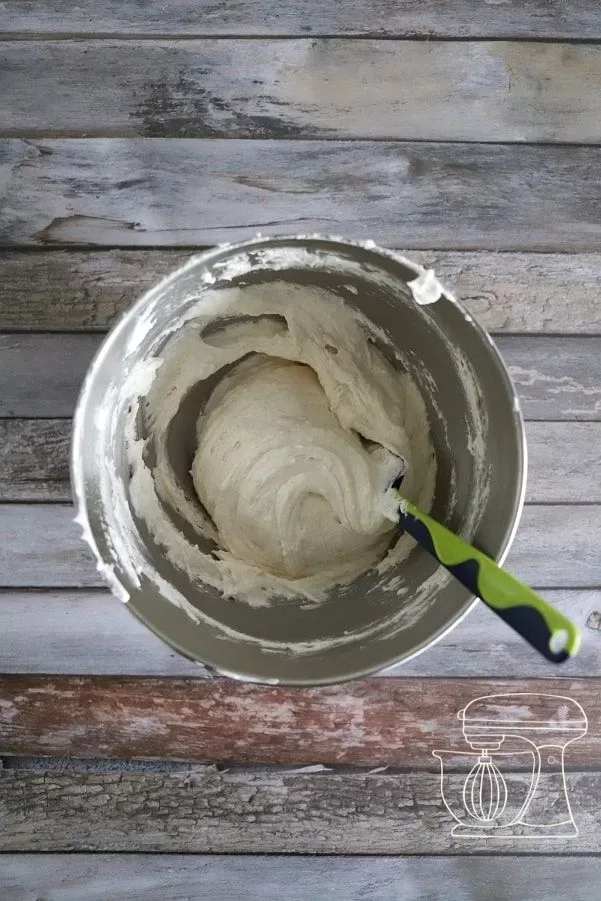
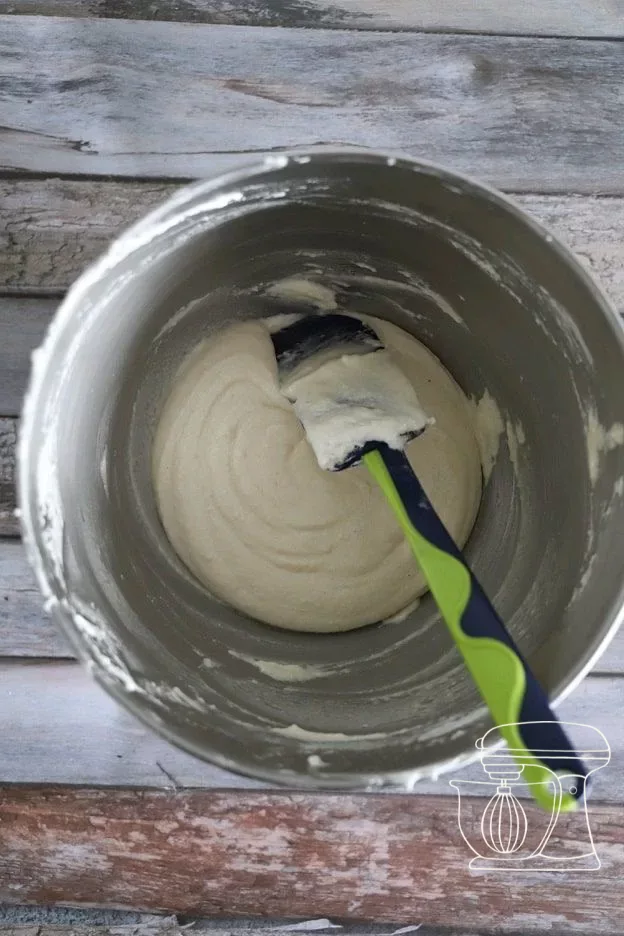
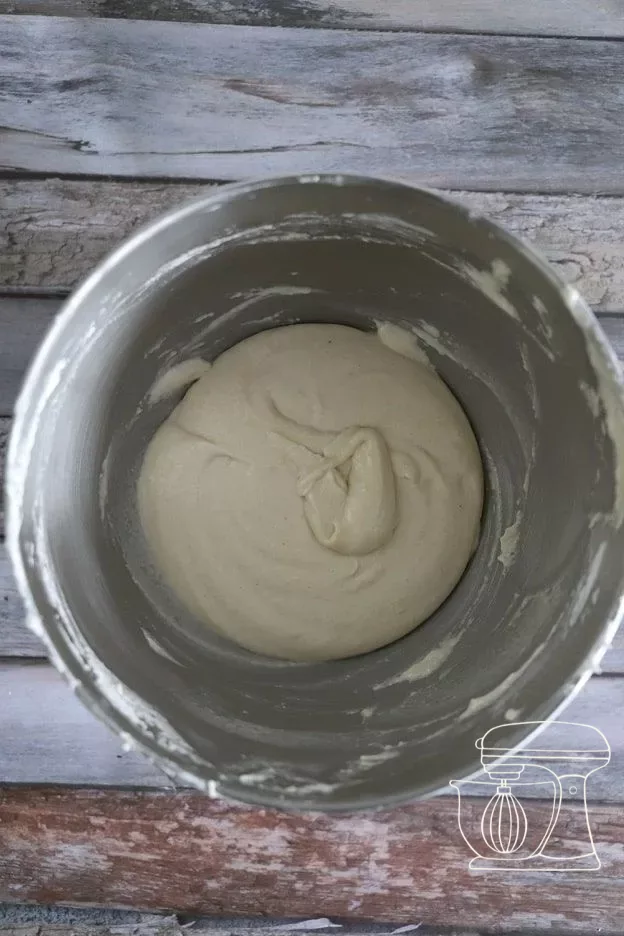
Finish mixing the batter at the end with the dough scraper, this is called macaronage.
The batter is ready once it looks glossy and flows off the dough scraper in a ribbon without breaking. It should be fluid enough, but careful, not too runny! If you mix too much, the macarons will spread flat. If the batter is under-mixed, the shells will not be smooth.
Filling the piping bag
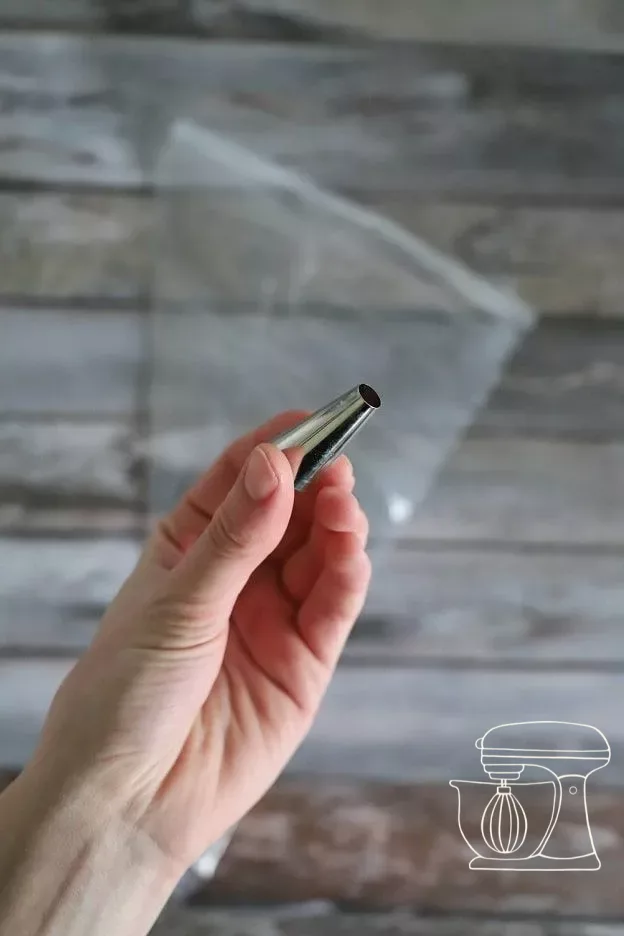
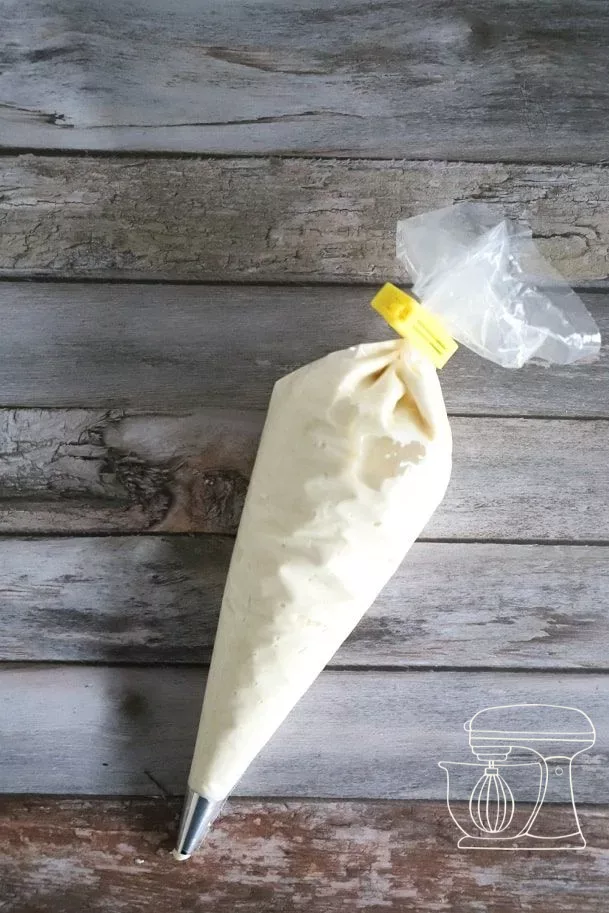
Fill the macaron batter into a piping bag fitted with a round 8 mm piping nozzle.
I like to work with a printed stencil so that all the macarons come out the same size.
Disposable piping bag 41cm 24pcs
Round piping nozzle 8 mm
Preparing the baking tray
Place the stencil on a perforated baking tray. A perforated tray is ideal for macarons because it ensures even baking.
Then place baking paper over the stencil. Pipe the macarons onto it.
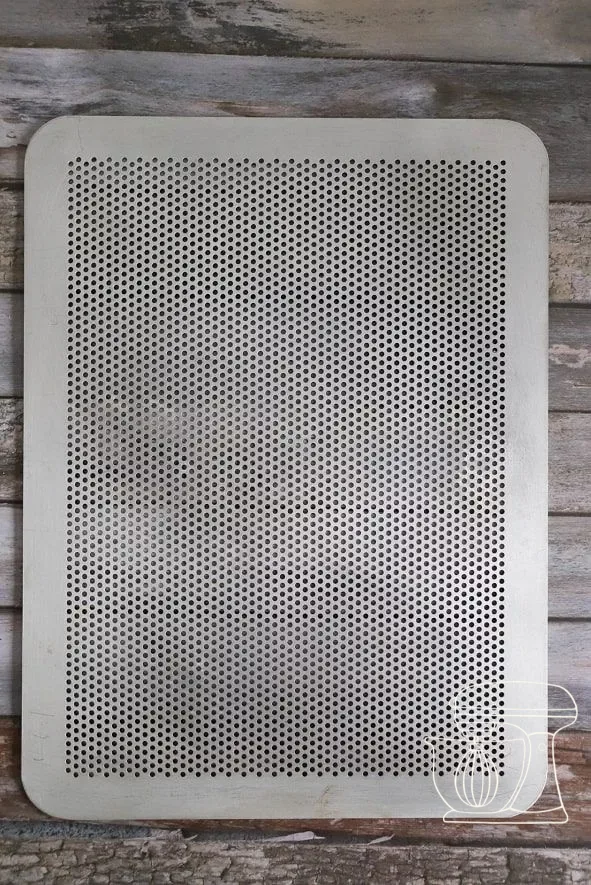
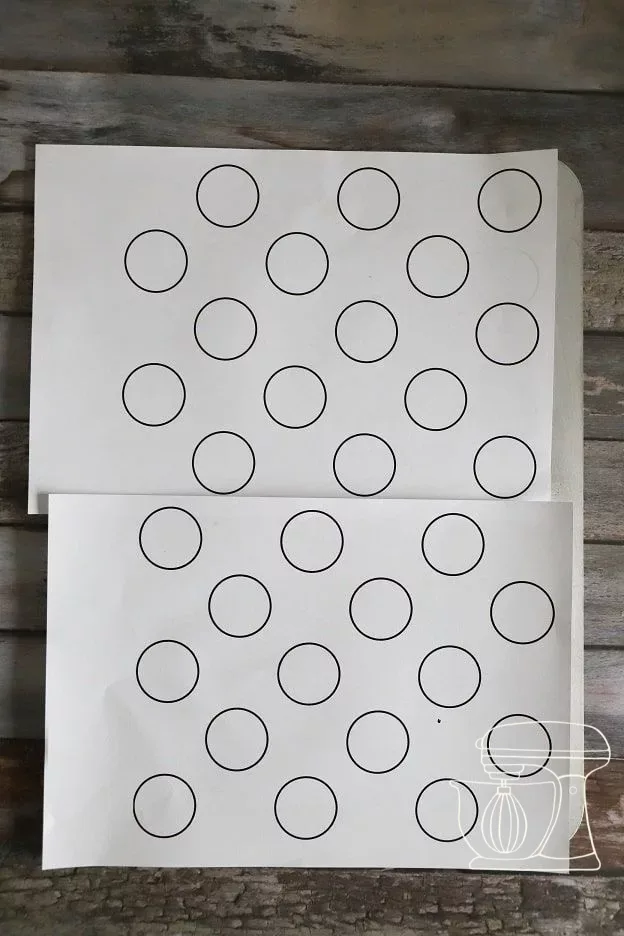
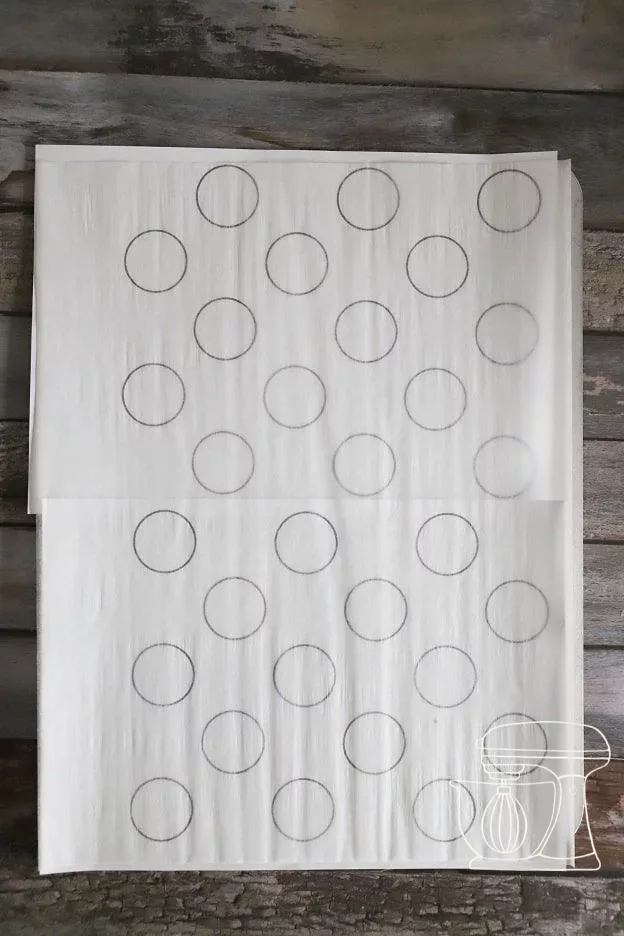
Perforated aluminium baking sheet 40 x 30 cm
Baking paper 42 x 33 cm, 25 sheets
Piping and tapping
Hold the piping bag vertically, about 1 cm above the baking paper, and squeeze out the batter. Once you have a nice round shape, stop squeezing and pull the piping nozzle away with a small twisting motion. A simple trick that is worth its weight in gold!
Afterwards, tap the baking sheet a few times on the work surface. This will smooth away the small peaks on the macarons.
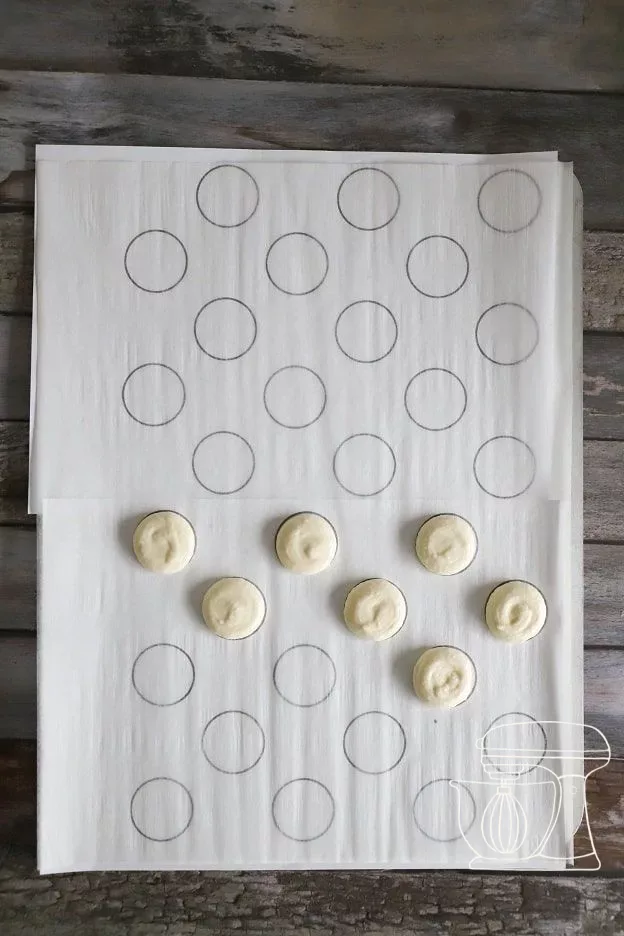
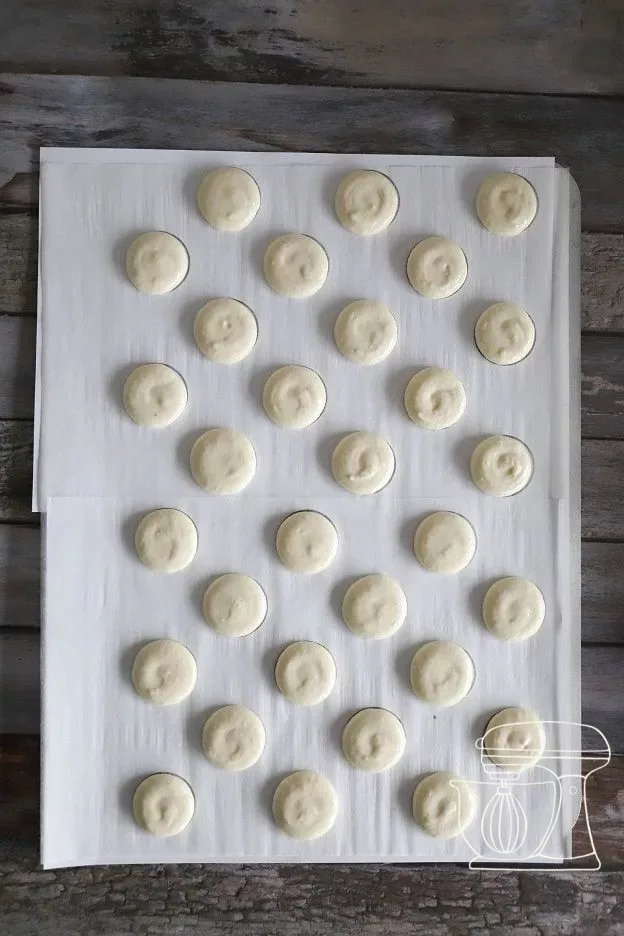
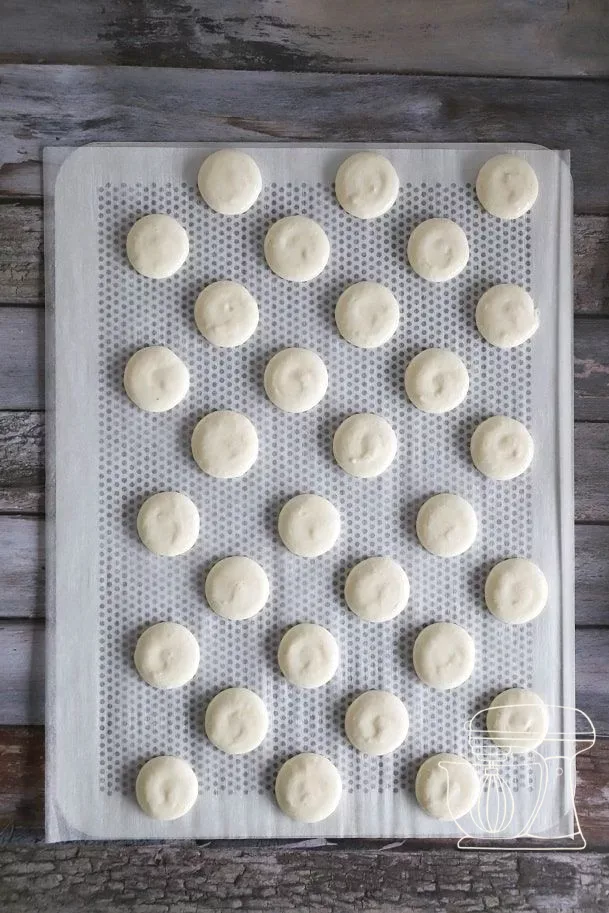
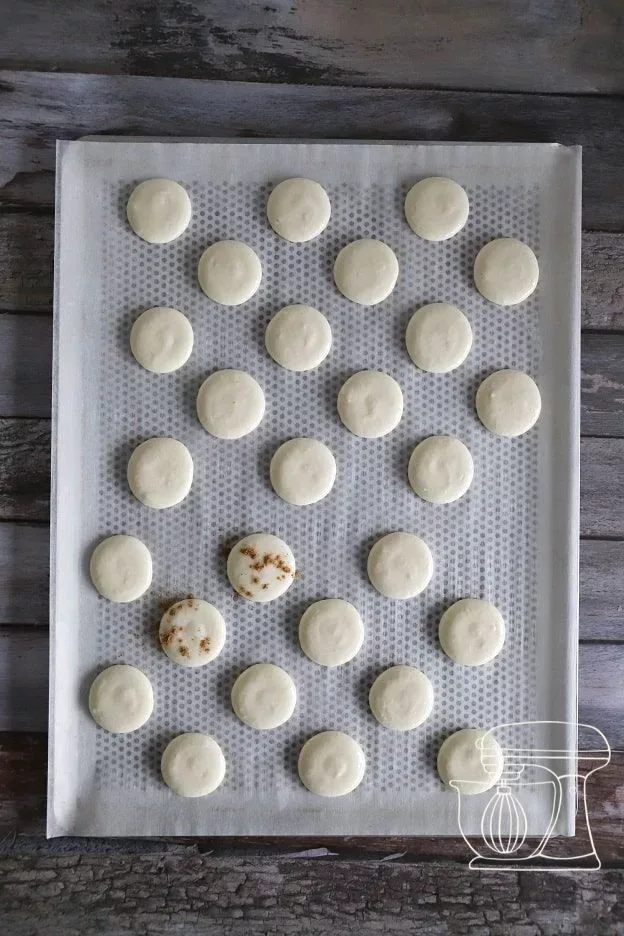
Sprinkle with gingerbread spice
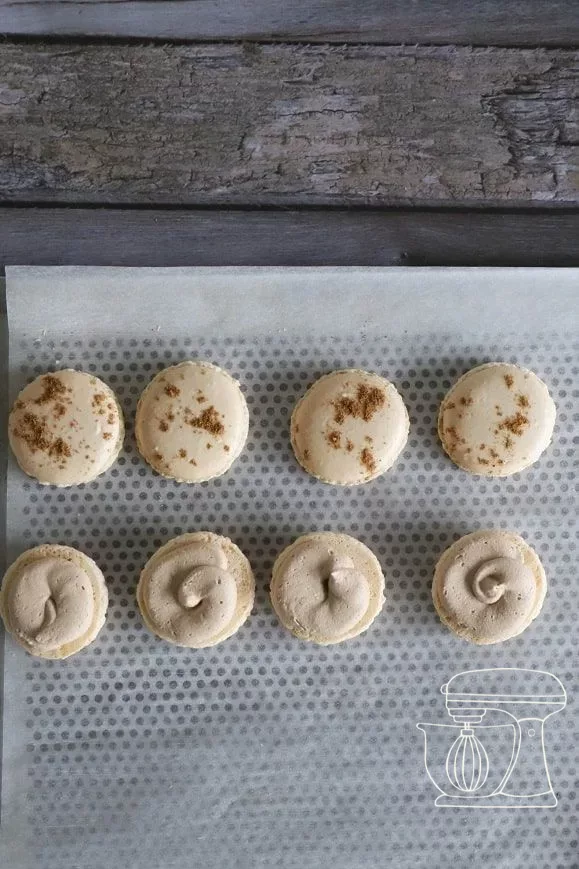
Sprinkle a little Gingerbread spice over the shells. It goes wonderfully with the duck liver and gives the macarons their festive note.
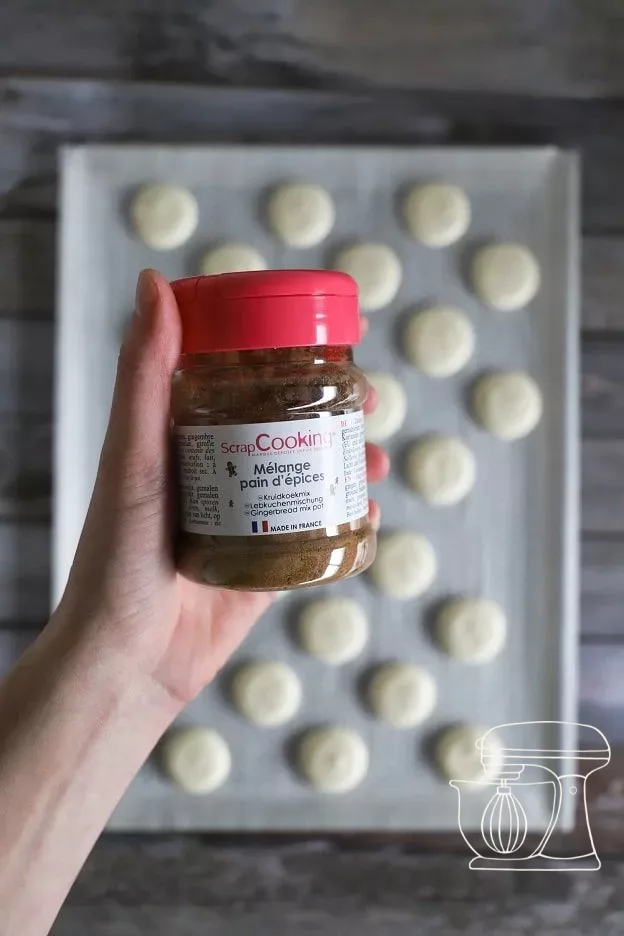
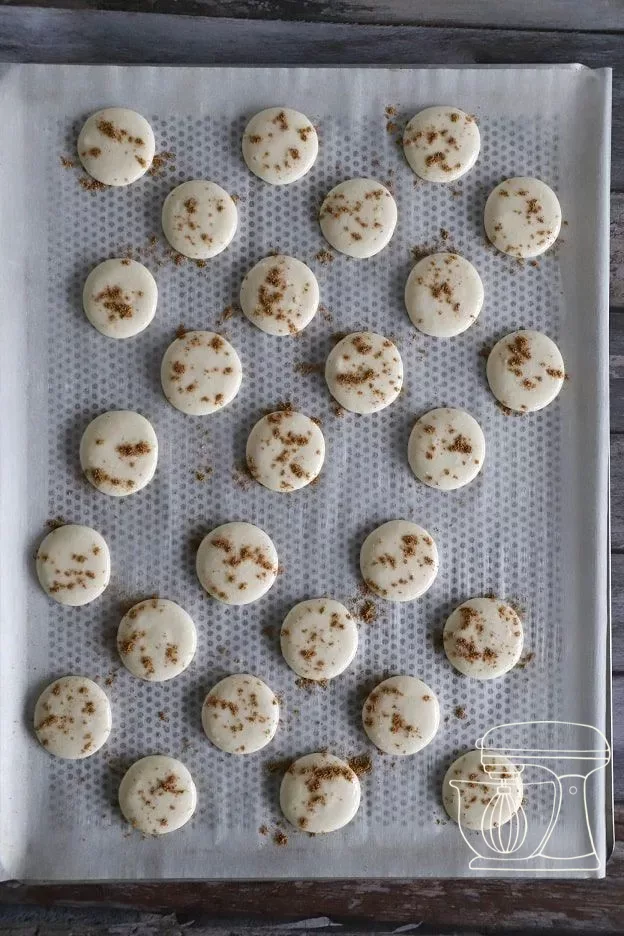
Gingerbread spice, 60 g
Resting and baking
Leave the shells to rest at room temperature for 30 minutes until a skin forms. Meanwhile, preheat the oven to 140 °C fan setting and open it from time to time so the moisture can escape.
Then place one baking sheet on a rack in the lower half of the oven for about 14 minutes. Always bake the sheets one after the other.
The shells are ready when they release easily from the baking paper. If they are still sticky, bake them 1 to 2 minutes longer. They will develop nice feet, as shown in the second picture. Let them cool to room temperature.
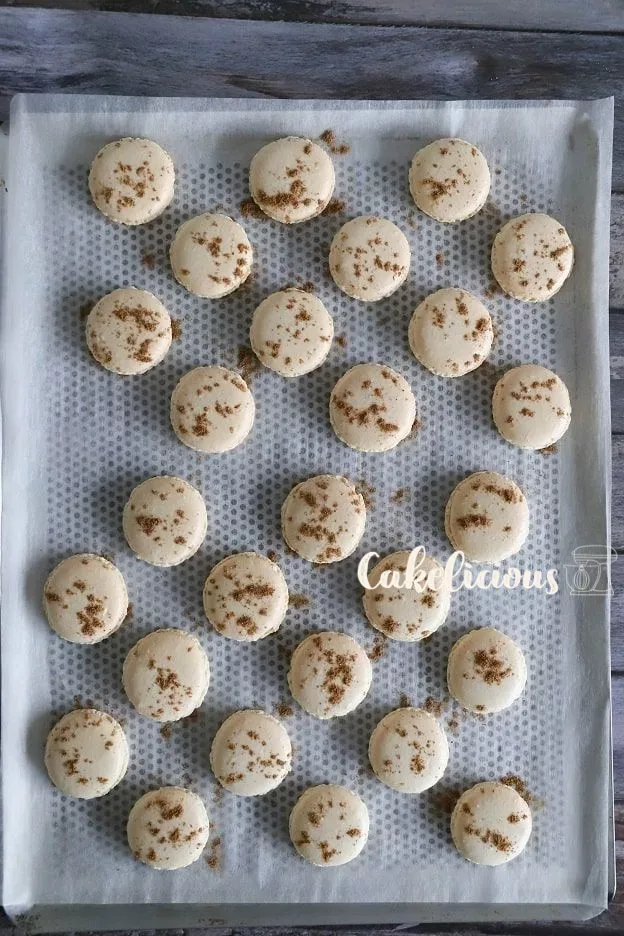
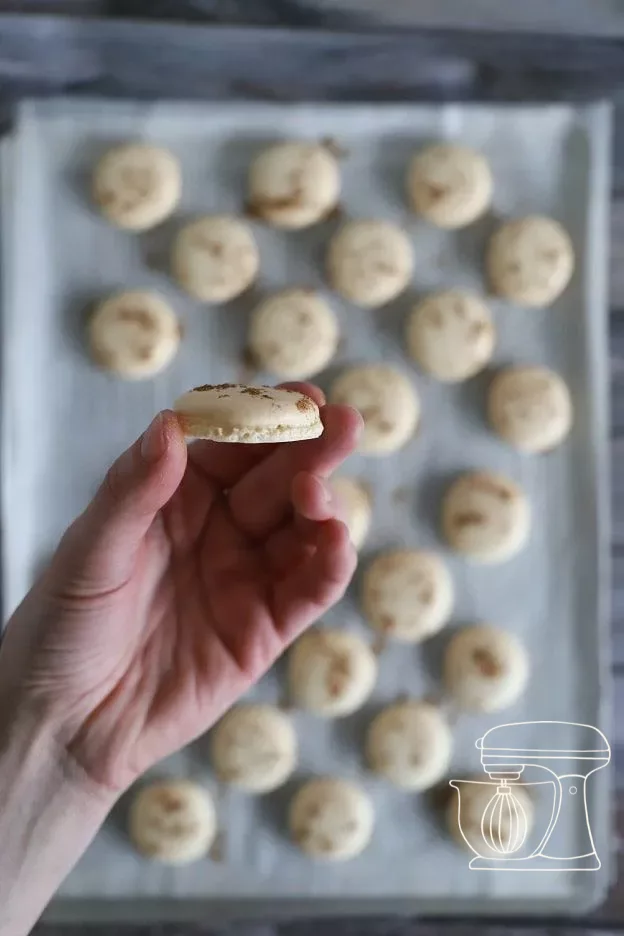
Perforated aluminium baking sheet 40 x 30 cm
Duck liver mousse
Whip the butter
Take the duck liver and the butter out of the fridge about 30 minutes beforehand so that both become a little softer.
Whip 37 g butter in a mixing bowl until light and fluffy.
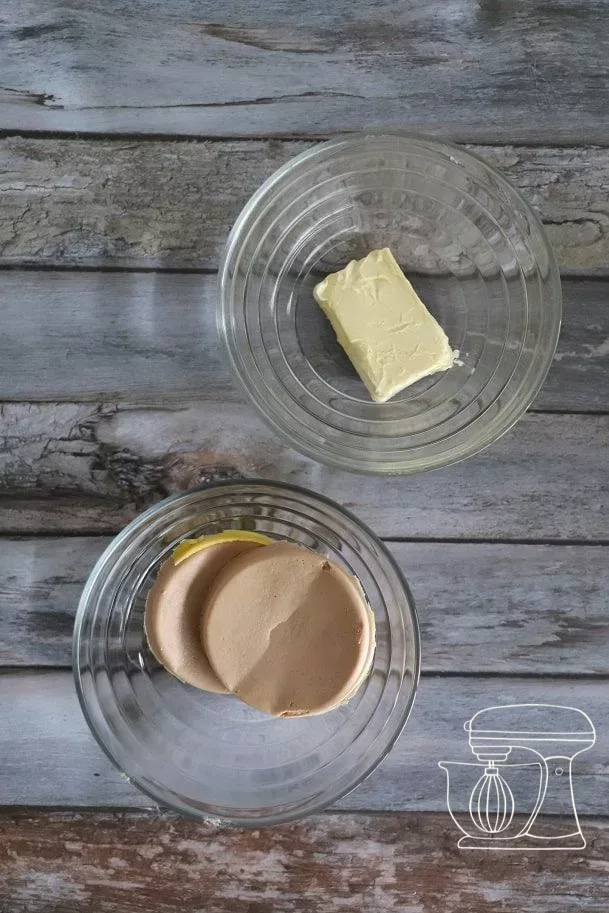
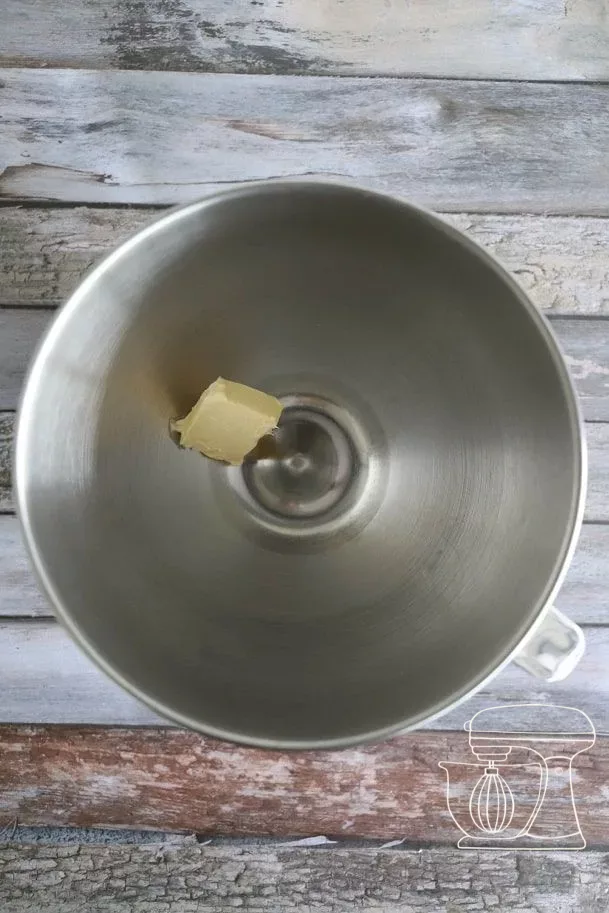
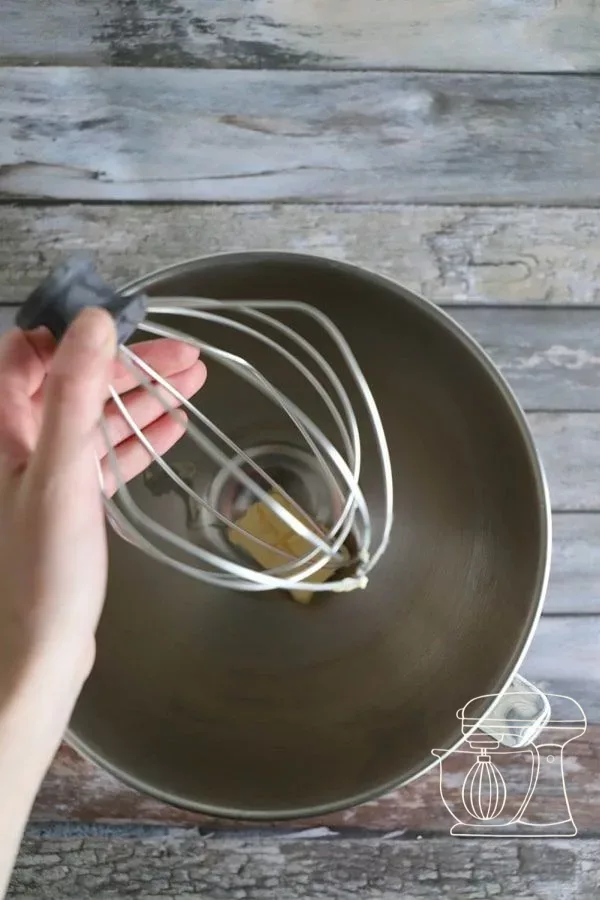
Add the duck liver
Add 120 g duck liver and keep whipping until you have a light, airy mousse.
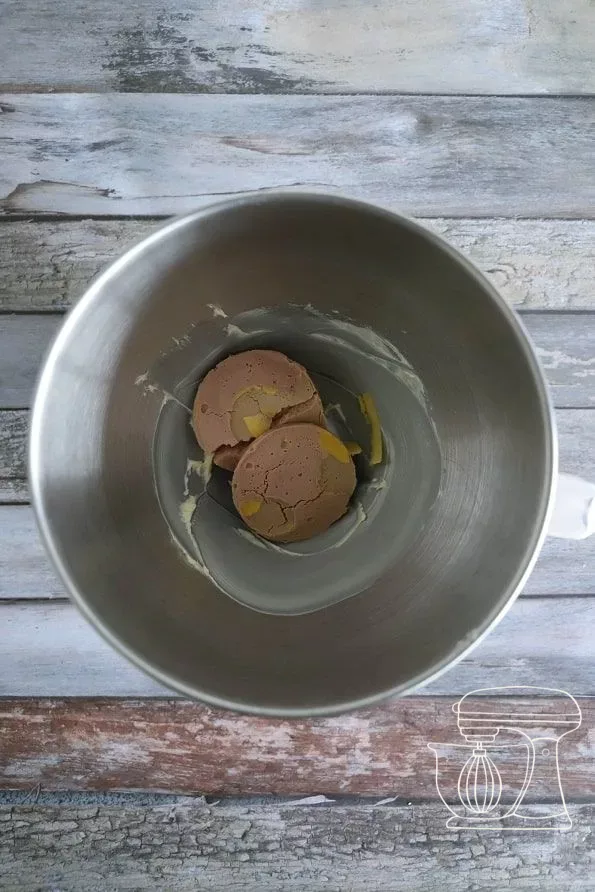
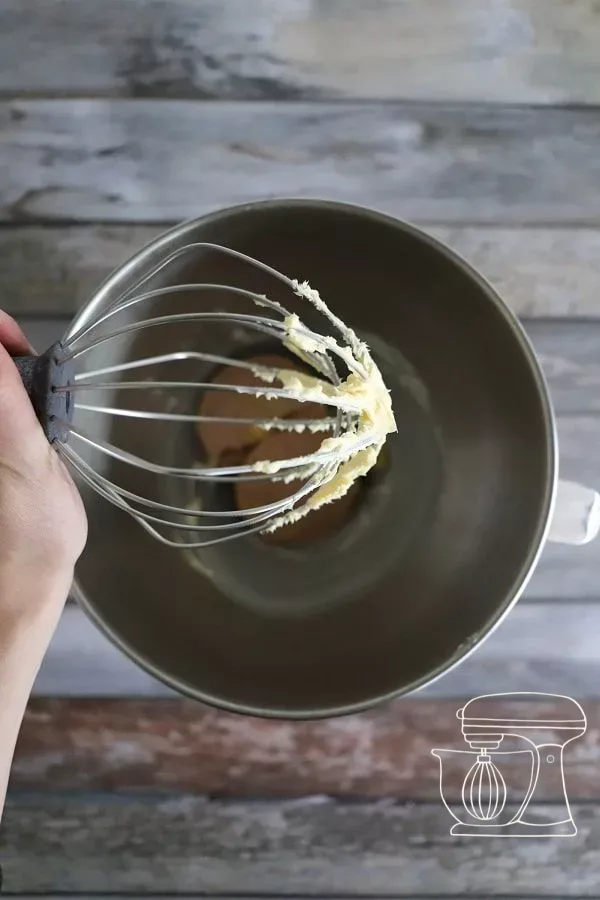
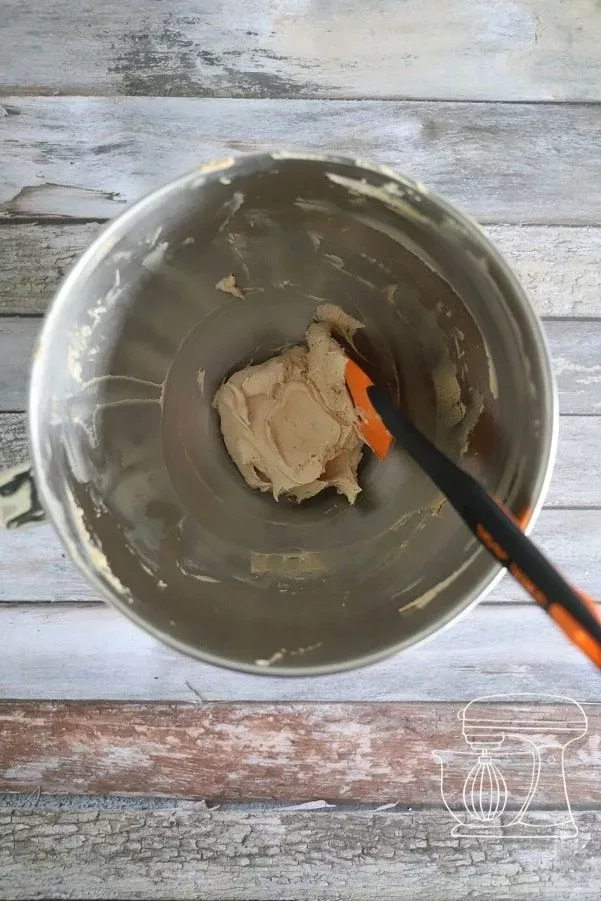
Filling
Filling the macarons
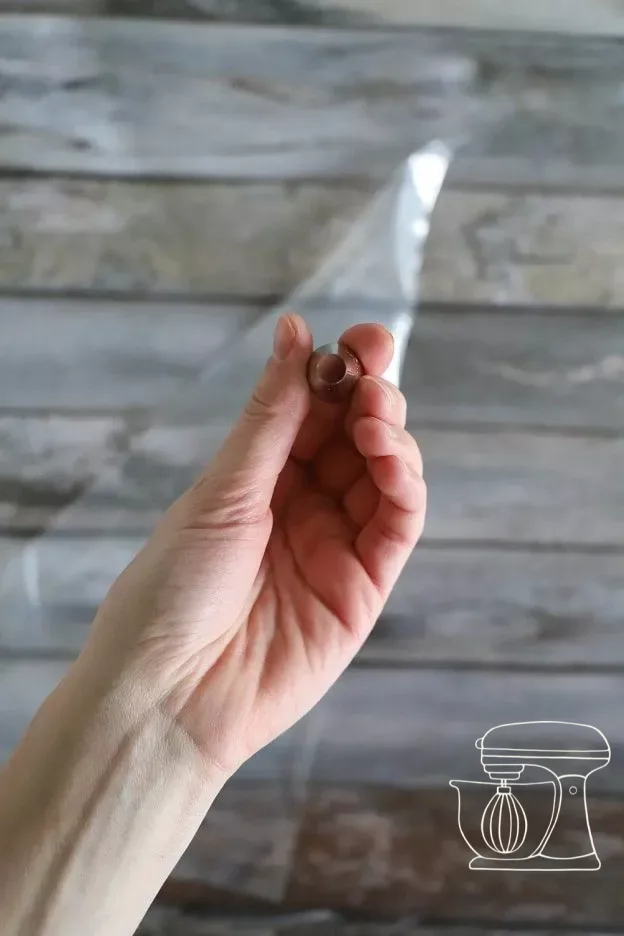
Fill the duck liver mousse into a piping bag fitted with a round 8 mm piping nozzle. Turn half of the shells over and pipe the mousse onto them.
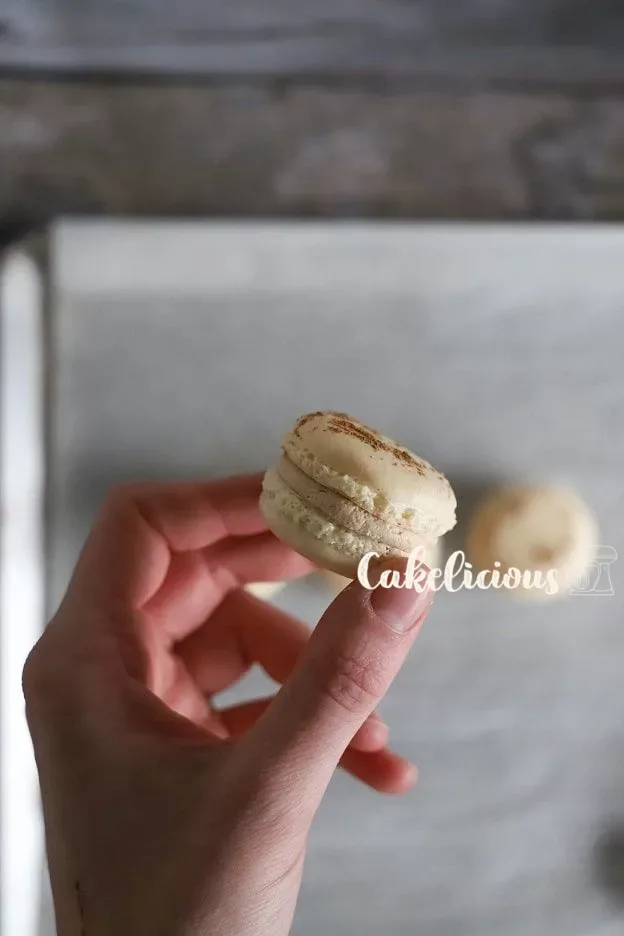
Place a second shell on top of each and press gently so that the mousse reaches the edge. Your savoury macarons are ready! Keep them in the fridge until serving.
Disposable piping bag - 41cm - 24pcs
Round piping nozzle 8 mm
Box for 12 macarons
Duck liver macarons
Ingredients
Macaron shells (70 pieces)
Duck liver mousse
Method
- Dry ingredients: Mix 150 g almond flour and 150 g icing sugar and pulse briefly until fine, keeping it powdery.
- Meringue: Whisk 120 g matured egg white with 20 g sugar on medium speed, add the 100 g sugar in 4 portions at 1 to 2 min intervals, and whisk until stiff.
- Batter: Fold the almond mixture in all at once with the K beater on speed 1, then macaronage with the dough scraper until glossy and flowing in a ribbon.
- Piping: Pipe with an 8 mm piping nozzle onto baking paper over the stencil and perforated sheet, tap the tray, dust with gingerbread spice, and let rest for 30 min to form a skin.
- Baking: Bake tray by tray for approx. 14 min at 140 °C fan-assisted, then let cool.
- Mousse: Whip 37 g soft butter until fluffy, add 120 g duck liver and whip until light.
- Filling: Pipe the mousse with an 8 mm piping nozzle, sandwich the macarons, and store in the refrigerator.
Nutrition per 100 g
Storage & shelf life
Everything for this recipe
Recommended by our bakery, in exactly the sizes this recipe has been tested with.
Ingredients
White almond flour extra fine
Gingerbread spice, 60 g
Accessories
Disposable piping bag 41 cm, 24 pieces
Round piping nozzle 8 mm
Perforated aluminium baking sheet 40 x 30 cm
Baking paper 42 x 33 cm, 25 sheets
Box for 12 macarons
Delivery in 1 to 2 working days · Free shipping from CHF 100
To make sure it succeeds
You can bake the shells up to 1 week ahead and store them in an airtight container. Make the mousse fresh on the day of the apéro, it only takes a few minutes.
Duck liver and butter should be at room temperature for about 30 minutes. If they are too cold, the mousse won't become airy and will be hard to pipe.
You'll find all the basics and tricks for the perfect shell in our Macarons Tips & Tricks. And if you fancy the sweet version: here are the Macarons with praline.
Frequently asked questions
We used processed duck liver, not raw liver. A block or terrine of duck liver works well.
Yes, you can also freeze the macarons filled. Let them thaw in the fridge before serving.
The shells keep for up to 1 week in an airtight container. Ideally, make the duck liver mousse on the same day you fill the macarons.
Print recipe
Choose what should appear on the printout.
Related posts
 Juicy Matcha Muffins with Pecan Nuts & White Chocolate
Matcha Iced Latte & Coconut Variant
Pull-apart bread with fresh wild garlic pesto
Mini Banana Bread with Chocolate Chips
Leave a comment
Comments
Question de Samantha
By: Samantha C. On 2024-12-01Bonjour,
Est-ce possible de congeler les macarons montés (avec la ganache) ? Belle journée
Replied by: Karin On 2024-12-02
Question de Andrea
By: Andrea H. On 2024-10-28Ist die Entenleber roh oder eine verarbeitete Terrine?
Replied by: Karin On 2024-10-29