Free shipping on orders of CHF 150 or more
Order by 4:00 p.m. - Next business day delivery
Over 8,000 products
Online shop only, no store
Free shipping on orders of CHF 150 or more
Order by 4:00 p.m. - Next business day delivery
Over 8,000 products
Online shop only, no store
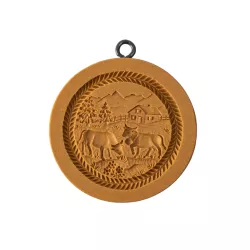
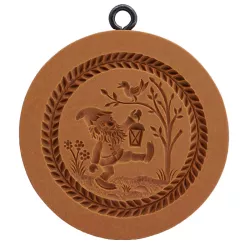
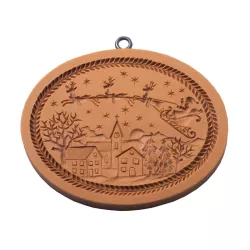
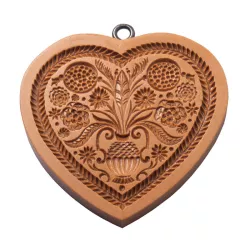
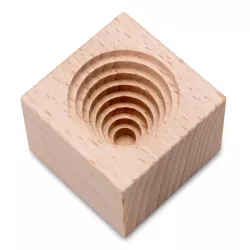
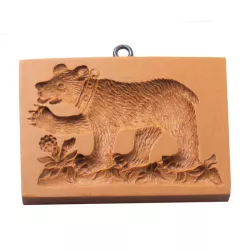
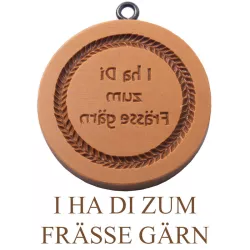
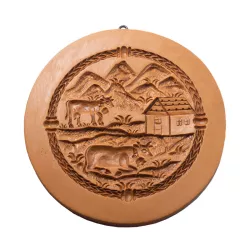
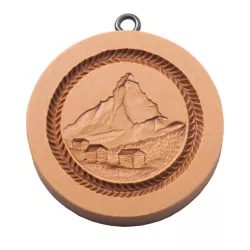
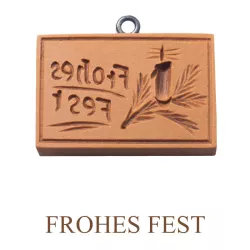
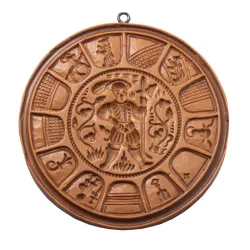
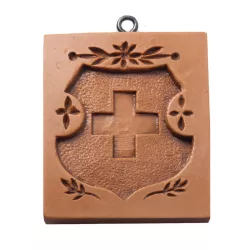
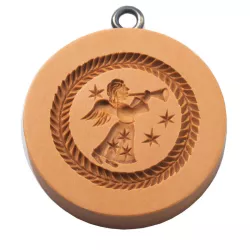
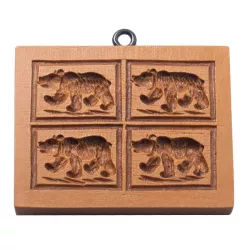
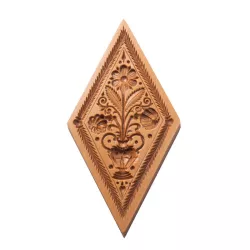
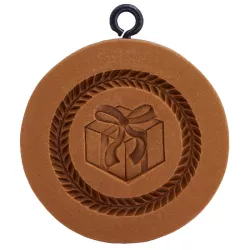
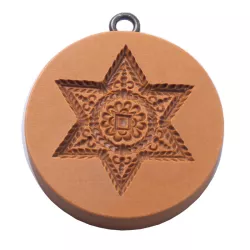
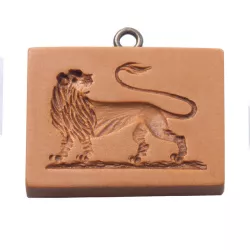
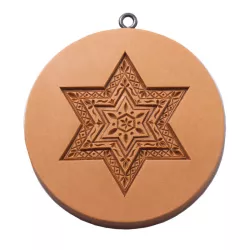
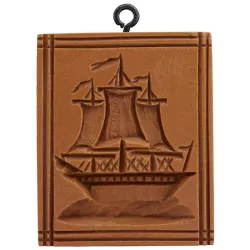
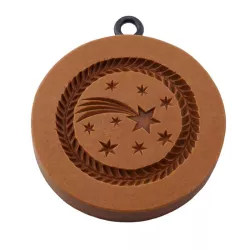
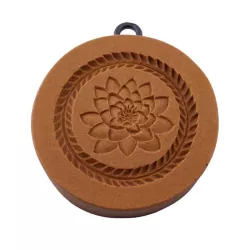
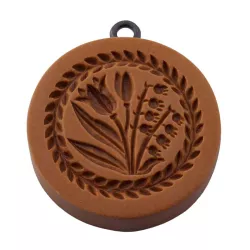
Cookie moulds turn aniseed biscuits, springerle, tirggel and speculoos into small works of art. In this category you will find a wide choice of detailed moulds by Änis-Paradies: Swiss motifs such as the alpine cattle drive, the Matterhorn, the Bernese bear and the Swiss coat of arms, Christmas motifs such as the Star of Bethlehem, angels, the nativity and Santa Claus, plus greetings, animals and flowers for the whole year. The moulds are made of food-safe synthetic resin, are shatterproof and water-resistant, and release the dough more easily than wood. The range is rounded off by the "Bienenkörbchen" (little beehive) mould made of beech for delicate turrets.
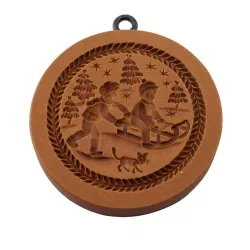
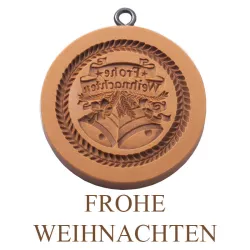
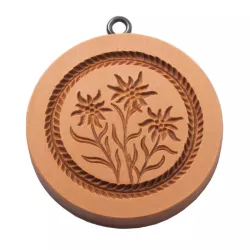
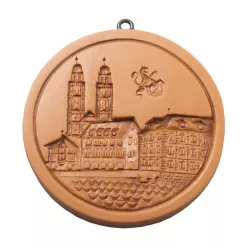
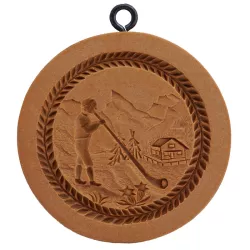
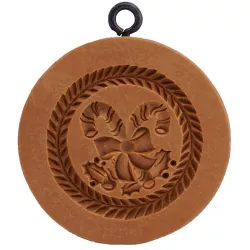
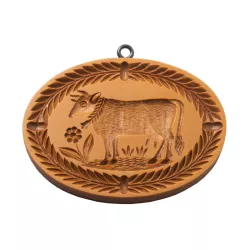
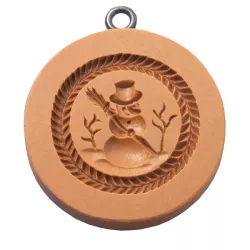
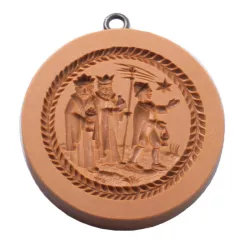
For a gift from Switzerland or guests from abroad, alpine designs are ideal: alpine cows, alphorn player, edelweiss, mountain pasture hut, farmhouse or the Old Swiss Confederacy. In Zurich, tirggel are often embossed with the Grossmünster. During Advent, Christmas bells, snowman, candy canes, children sledging or the Three Kings arrive on the plate, along with biblical scenes such as the shepherd with three sheep or the Nativity.
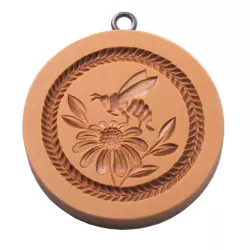
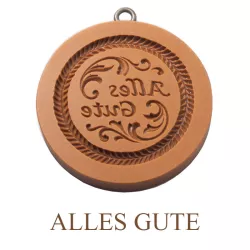
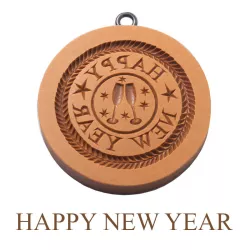
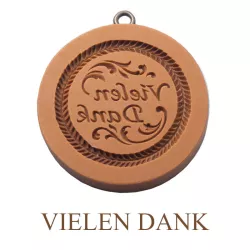
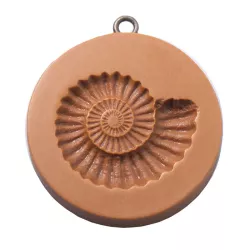
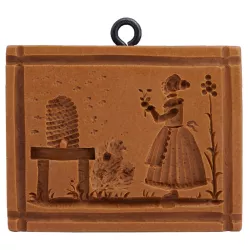
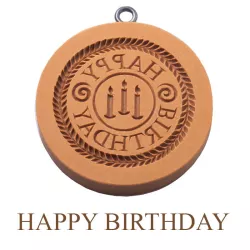
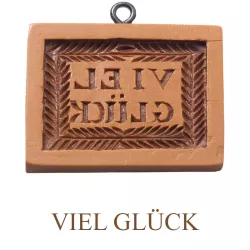
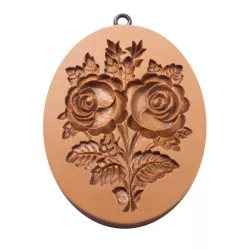
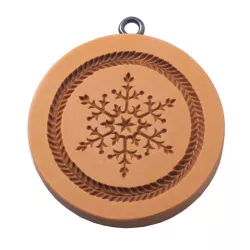
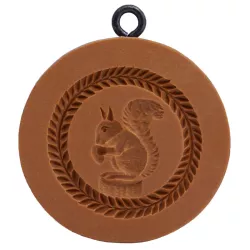
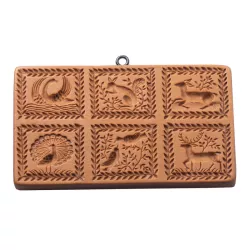
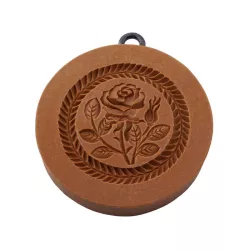
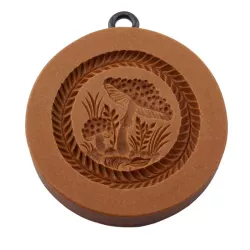
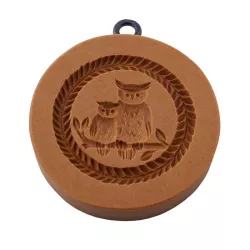
All year round, moulds with a message are a perfect fit: "Alles Gute" (all the best), "Vielen Dank" (thank you), "Viel Glück" (good luck), birthday or New Year turn a biscuit into an edible greeting card. Nature lovers will find bee and beekeeper, squirrel, owl with young, fly agaric or an ammonite fossil, romantics rose, cherry blossom and heart with roses. The moulds with small winter motifs and small year-round motifs (106 x 106 mm each) combine several small images on one plate.
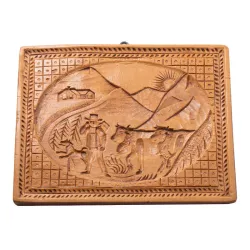
The size determines the biscuit: moulds with Ø 57 or 68 mm give classic biscuit-sized aniseed biscuits, while large picture moulds such as the alpine cattle drive (200 x 160 mm), the mountain pasture hut (Ø 185 mm) or the Old Swiss Confederacy (Ø 140 mm) suit gingerbread and tirggel for gifting. Fine details, as on the nativity (circa 1980) or the Grossmünster, need a firm dough and careful dusting.
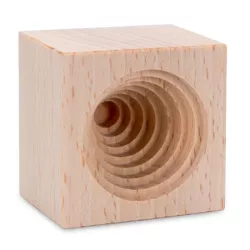
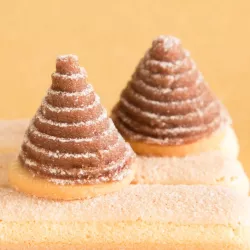
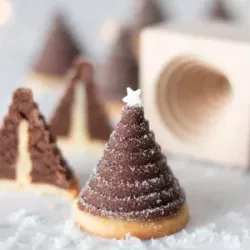
The Bienenkörbchen mould made of untreated beech shapes "Likörspitzen", little turrets that look like tiny fir trees when dusted with icing sugar; a recipe is included. It is not dishwasher safe.
No, the Änis-Paradies moulds are made of food-safe synthetic resin, which is shatterproof and water-resistant and releases the dough more easily than wood. Only the Bienenkörbchen mould is made of beech.
Classics are aniseed biscuit and springerle dough, tirggel, speculoos and gingerbread. Marzipan can also be shaped cleanly. Very buttery doughs tend to spread during baking and show a less crisp image.
Drying overnight forms a firm skin on the surface. In the oven the dough underneath rises and creates the pale base, the "foot", while the embossed picture stays intact on top.
More accessories are waiting in the category Cookie baking tools, shapes for cutting out biscuits under Cutter. For recipes, see our cookie recipes and Christmas cookie recipes.