Free shipping on orders of CHF 150 or more
Order by 4:00 p.m. - Next business day delivery
Over 8,000 products
Online shop only, no store
Free shipping on orders of CHF 150 or more
Order by 4:00 p.m. - Next business day delivery
Over 8,000 products
Online shop only, no store
Home bread baking needs surprisingly little: flour, water, salt, a raising agent – and a few good tools that make the difference between a flat loaf and one with a crisp crust and an open crumb. In this category you will find everything from Swiss flours, yeast and sourdough to proving baskets, cast-iron pots, baking stones and baker's lames.
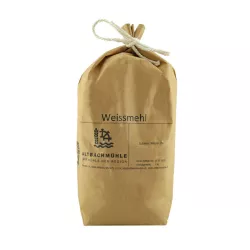
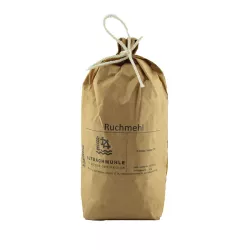
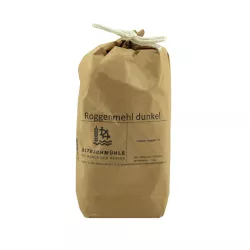
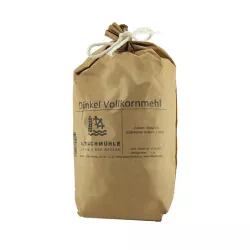
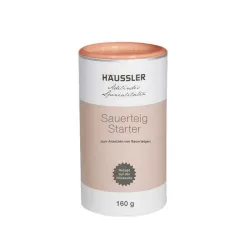
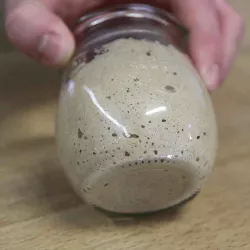
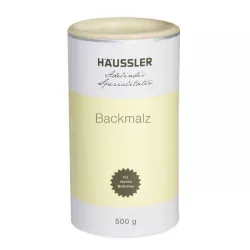
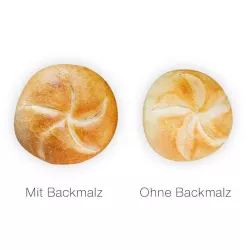
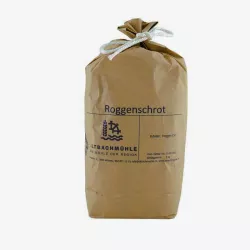
Swiss flours such as white, half-white and Ruchmehl (a darker, high-extraction flour) are ideal to start with. Ruchmehl contains more bran and gives bread a robust, slightly nutty flavour. Spelt flour is a little more delicate to knead, while rye flour and cracked rye add plenty of flavour but need acidity so the crumb doesn't turn gummy. For raising, choose between dried yeast (roughly a third of the amount of fresh yeast) and sourdough. You can start your own culture with flour and water or with a starter powder; rye sourdough powder is a handy shortcut for flavour without keeping a starter. Baking malt helps browning and rise.
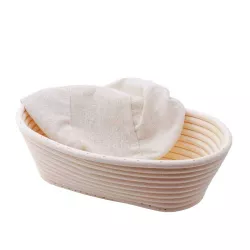
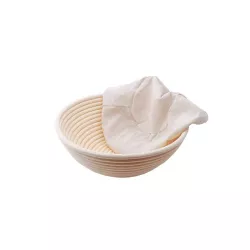
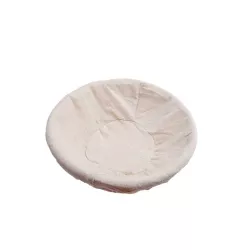
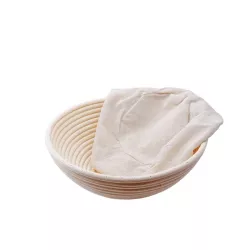
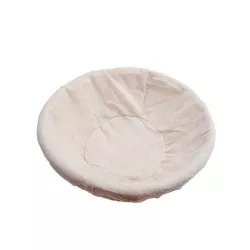
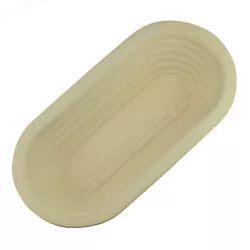
Mix flour, water, yeast or sourdough and salt, then knead until the dough is smooth and elastic. Leave it covered for the bulk ferment until it has visibly grown, giving it one or two folds along the way. Shape a tight loaf and place it seam-side up in the floured proving basket for the final proof. Preheat the oven thoroughly with the pot or stone inside, turn out the dough, score it and bake with steam or with the lid on for the first few minutes. Let the bread cool completely on a rack before slicing.
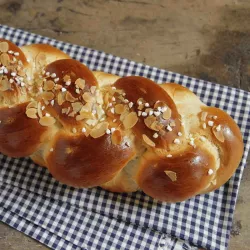
No. With yeast, plaited loaves, sandwich bread and white bread turn out quickly and reliably. Sourdough takes longer but gives more flavour and a longer shelf life, and it is essential for rye-rich breads.
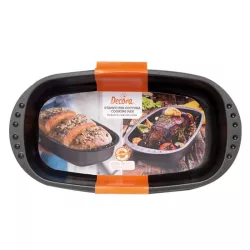
For round and oval loaves, a cast-iron pot is the simplest option because it creates its own steam. A baking stone is more versatile and suits baguettes, rolls and pizza, but you will need to add steam to the oven, for example with a tray of water.
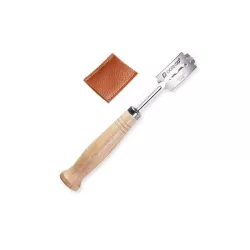
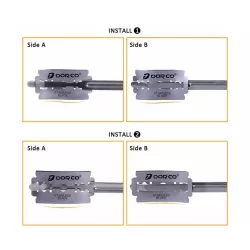
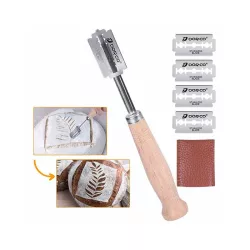
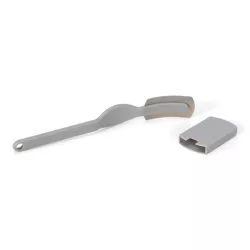
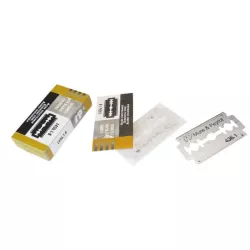
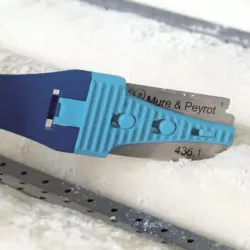
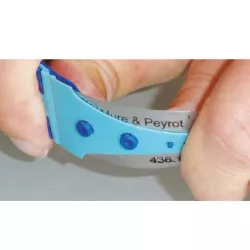
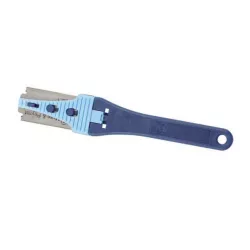
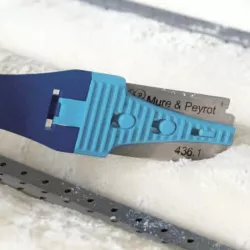
About 5–10 mm, in one quick stroke at an angle of roughly 30 degrees. A sharp blade matters more than pressure – change the razor blade in your lame regularly.
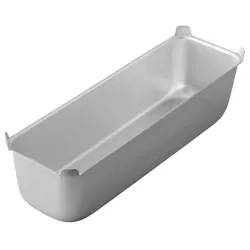
Explore more: sourdough, proving baskets, bread tins and bread knives & bakers' lames.
Recipe ideas on our blog: Bakery.