Free shipping on orders of CHF 150 or more
Order by 4:00 p.m. - Next business day delivery
Over 8,000 products
Online shop only, no store
Wednesday, 21 October: Our customer service is unavailable due to internal training. Our warehouse is operating as normal.
Free shipping on orders of CHF 150 or more
Order by 4:00 p.m. - Next business day delivery
Over 8,000 products
Online shop only, no store
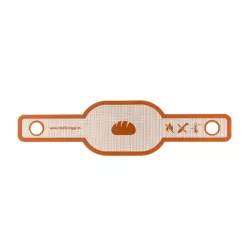
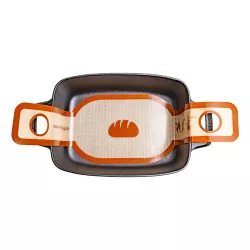
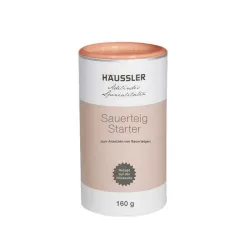
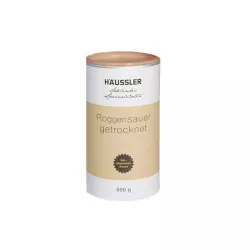
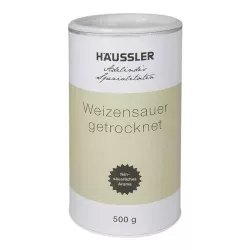
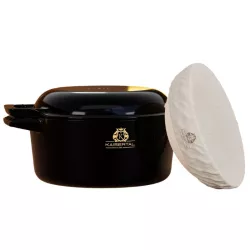
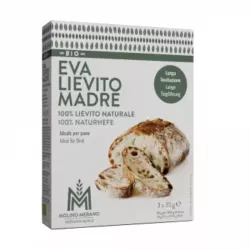
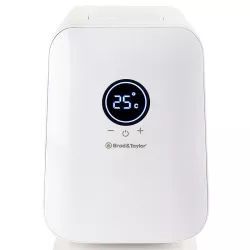
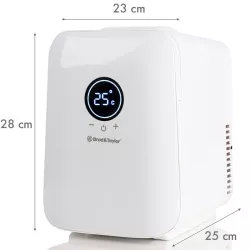
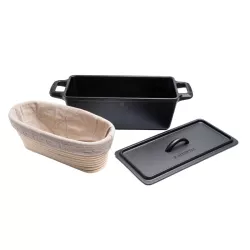
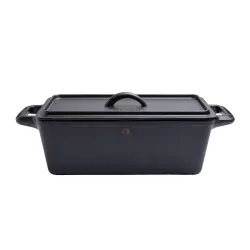
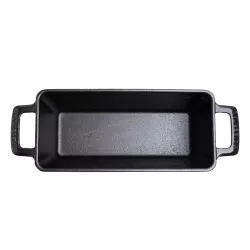
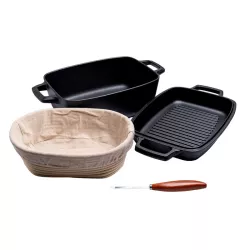
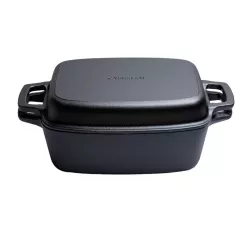
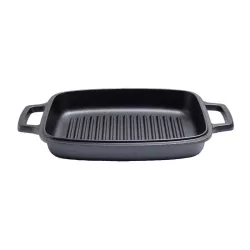
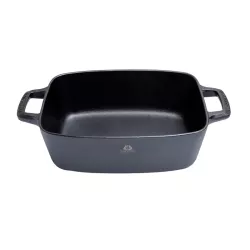
Sourdough is the oldest leavening agent for bread, giving it an unmistakable flavour, a moist crumb and a robust crust. In this category you will find everything you need to start, maintain and bake with sourdough at home: sourdough starter powder for creating your own starter, rye sourdough powder and wheat sourdough powder for quick sourdough flavour, the Italian natural leaven Lievito Madre, a digital sourdough proofing box from 5 to 50 °C, cast-iron bread pots and silicone bread slings. Here you can find out how sourdough works and how to get reliable results.
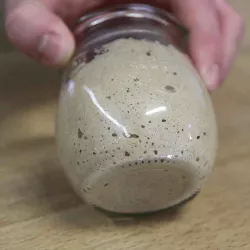
Sourdough is a mixture of flour and water in which wild yeasts and lactic acid bacteria live together. The yeasts produce carbon dioxide and make the dough rise, while the bacteria produce lactic and acetic acid. These acids create the typical, gently tangy flavour and are what make breads with a high rye content bake properly in the first place. The live culture that you keep and feed regularly is called the starter or mother.
A starter made from flour and water needs a little patience, usually five to seven days. Use wholemeal flour, as it contains more natural micro-organisms and nutrients.
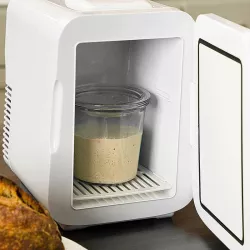
It is quicker with the sourdough starter powder: mix it with water and wholemeal flour, and after 16 to 18 hours in a warm place your starter is ready to use. A sourdough proofing box keeps the temperature constant, whatever the temperature in the room.
If you do not bake every day, keep your starter in the fridge and feed it about once a week. Before baking, refresh it once or twice at room temperature until it rises vigorously again.
Rye sourdough powder and wheat sourdough powder add flavour and acidity to bread, but do not make the dough rise on their own. They are mixed directly into the flour, usually 20 to 30 g per kilogram of flour, together with yeast. A live sourdough, on the other hand, leavens the dough and develops a deeper flavour thanks to the long fermentation. Lievito Madre can be used directly or to build a starter.
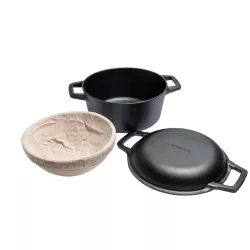
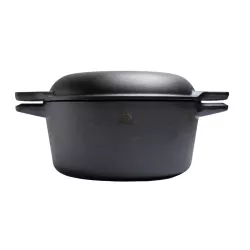
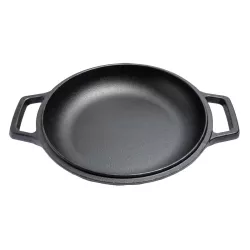
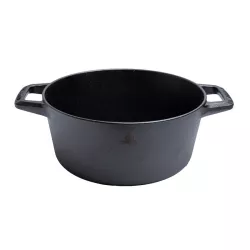
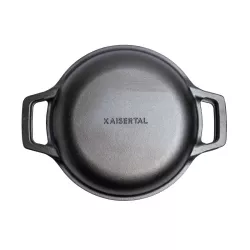
For a wheat bread or Ruchbrot, 10 to 20 per cent active starter, based on the weight of flour, is often enough. For rye breads, a larger share of the flour is usually soured. After kneading and bulk fermentation, shape the loaf and leave it to prove in a floured proofing basket, for a few hours at room temperature or overnight in the fridge. Bake it in a well-preheated cast-iron pot: the bread sling lets you lower the loaf in safely, and the lid traps steam during the first stage of baking for a beautiful crust.
Many people love sourdough bread for more than its flavour. It stays fresh for longer, and thanks to the long fermentation, many find it particularly easy to digest.
Once fed, it keeps for about a week. Even after a longer break, it can usually be revived with a few feeds.
Yes. Feed the starter with wheat flour a few times and it will develop into a wheat sourdough.
An active sourdough leavens bread on its own. With sourdough powder or for shorter proving times, add yeast.
Ordinary tap water is fine, ideally lukewarm.
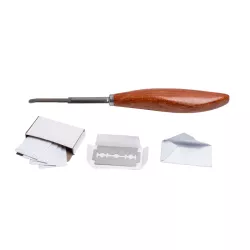
For the perfect sourdough loaf, you will find proofing baskets, bread tins and bakers’ lames for scoring. Discover more ingredients and tools in Making your own bread.