

Wholemeal cookies: snowflake stars for cosy winter evenings
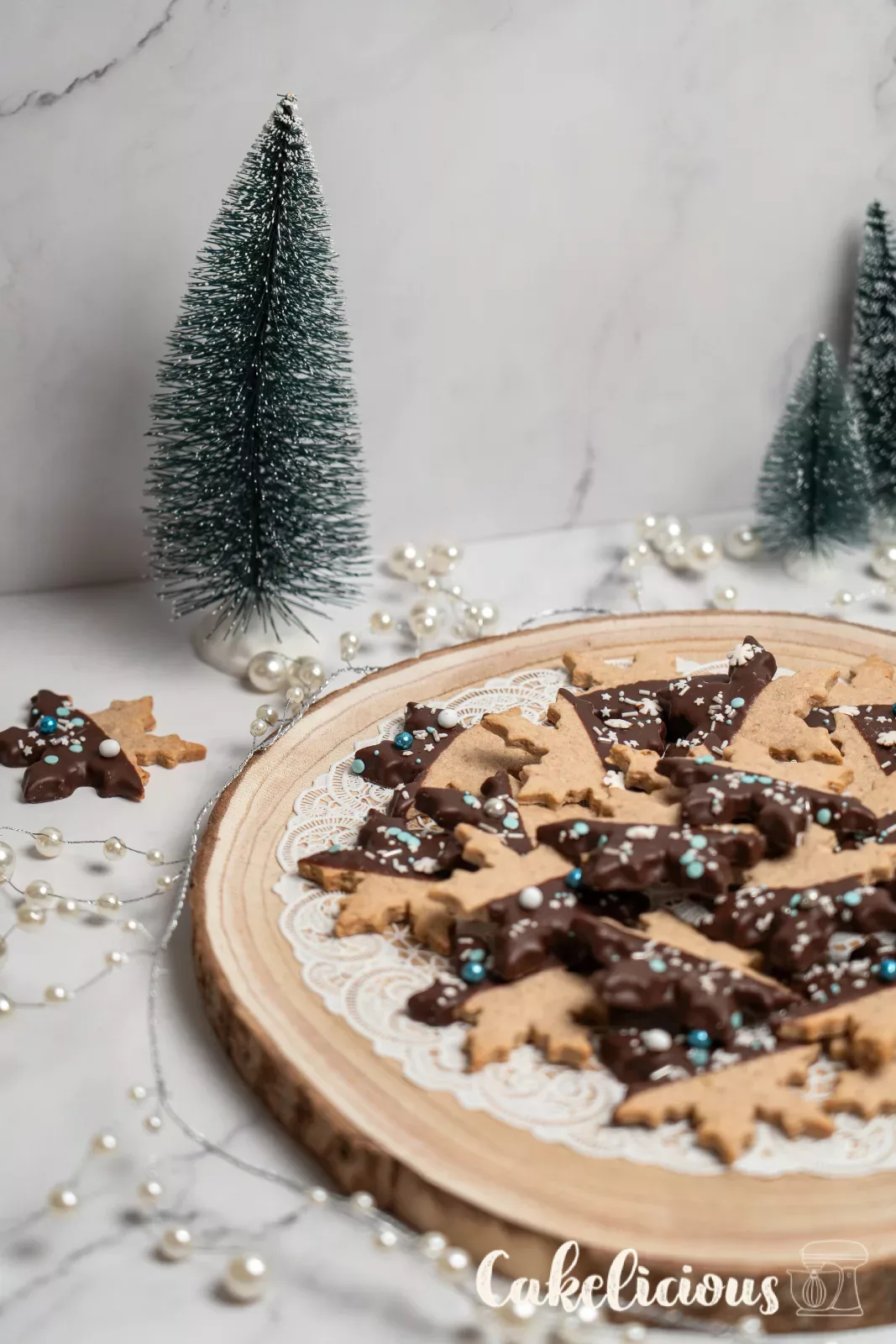
Nutty spelt stars with chocolate and glitter sprinkles
Hello food lovers,
when everything outside is white and the cocoa is steaming indoors, it's time for these snowflake stars! Our wholemeal cookies are a little different from classic Christmas biscuits: wholemeal spelt flour gives them a fine, nutty flavour, ground almonds and a few oat flakes add bite, and a pinch of cinnamon brings Christmas spirit straight into the kitchen.
The best part comes last: each star is dipped halfway into dark couverture and dusted with glitter sprinkles while the chocolate is still soft. That way every cookie looks like a little snowflake, and they are still not too sweet. Perfect for giving away, or simply for a cosy evening on the sofa.
Don't be afraid of the dough: knead it together once, chill for an hour, roll out and cut out, done! This quantity makes around 40 snowflake-star cookies. Enjoy baking!


Ingredients
For the dough
Step by step
The wholemeal dough
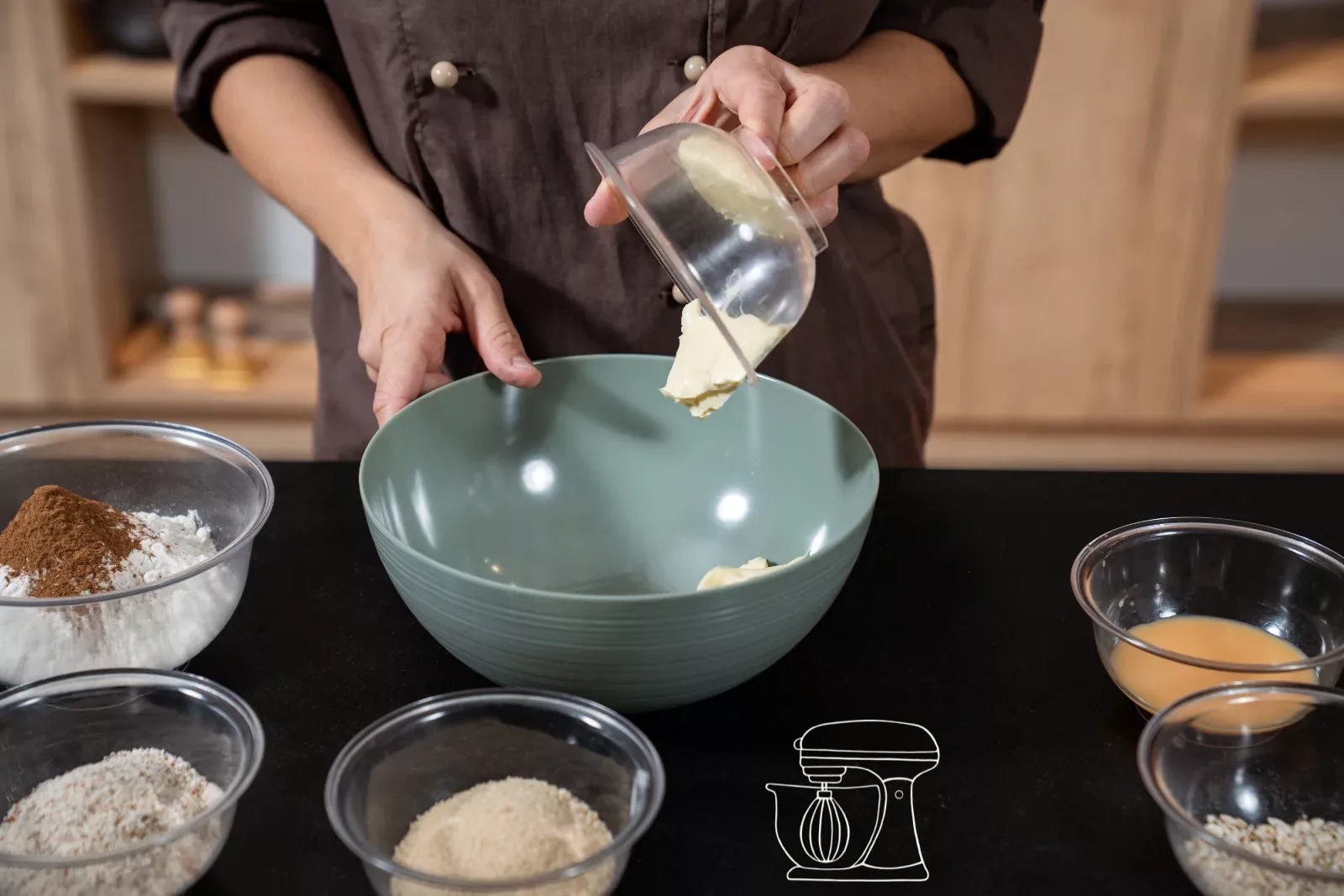
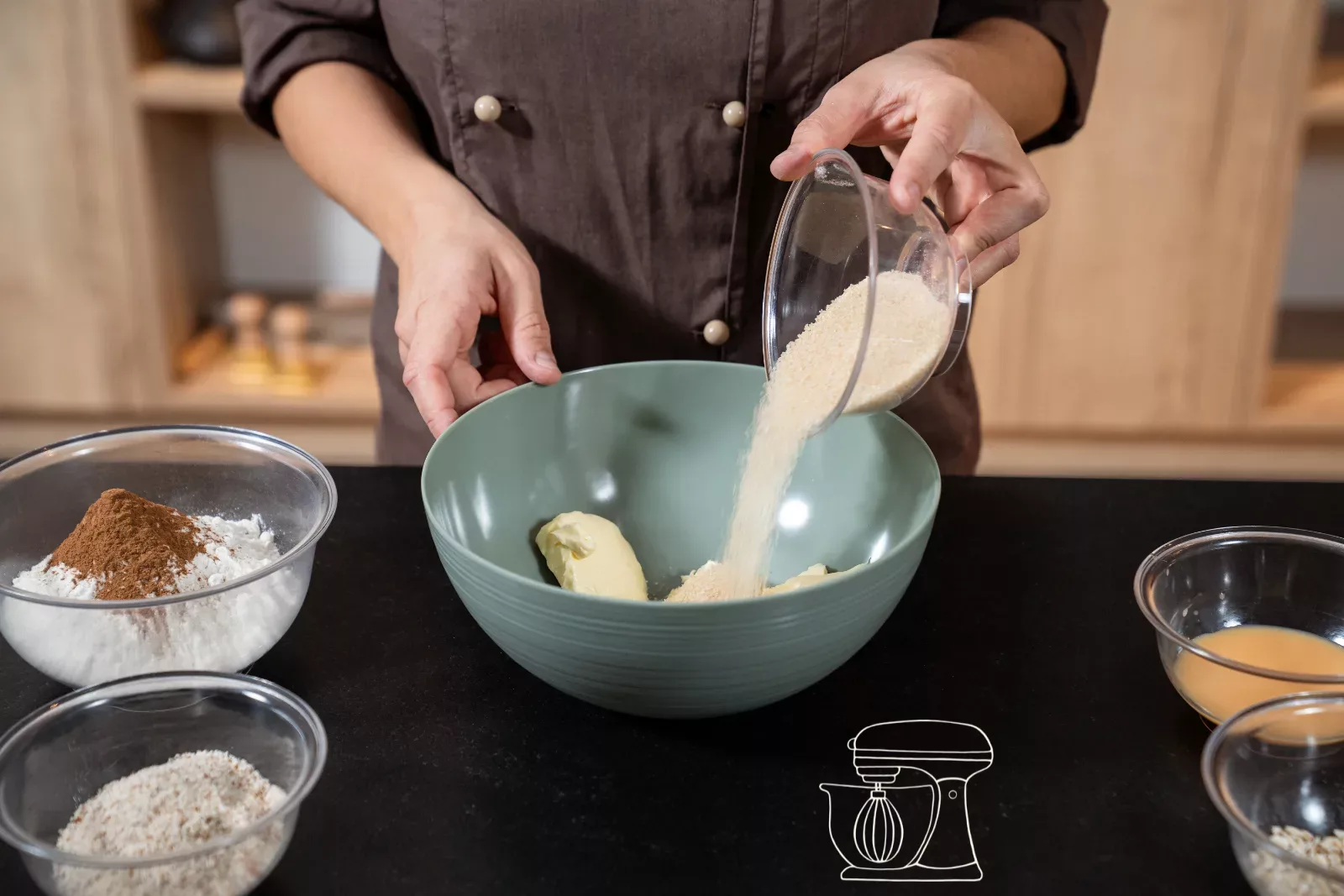
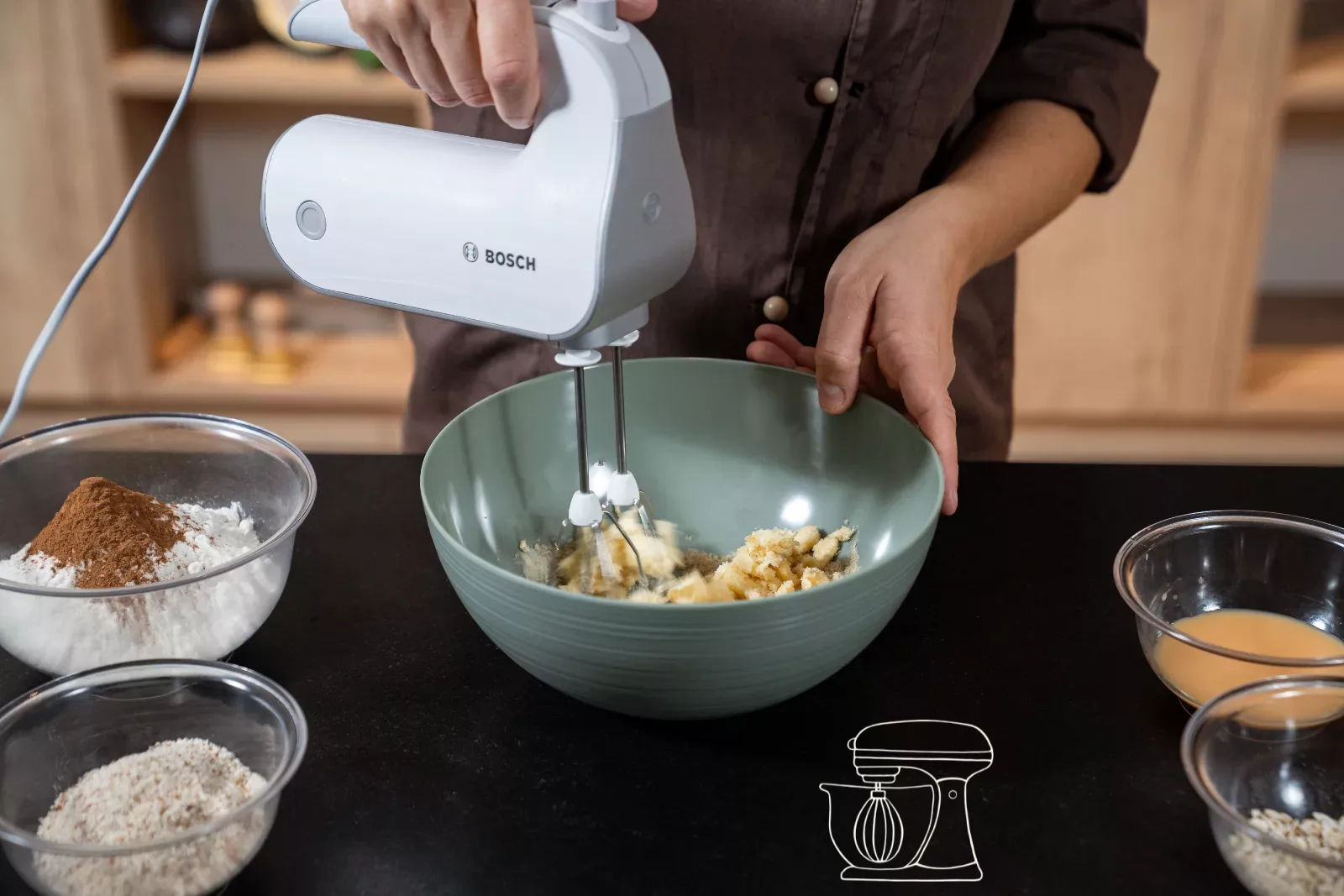
Beat the butter and raw cane sugar until creamy
Take the butter out of the fridge in good time. It is ready when you can press a small dent into it with your finger very easily. Put the butter and raw cane sugar into a bowl and beat them with the hand mixer or stand mixer for about 3 minutes. You will see the mixture become lighter and wonderfully creamy. That is exactly what keeps the cookies tender later on.
Spelt wholemeal flour 1 kg
Almond flour for macarons
Ceylon cinnamon powder, 50 g
Stainless steel mixing bowl 2000 ml
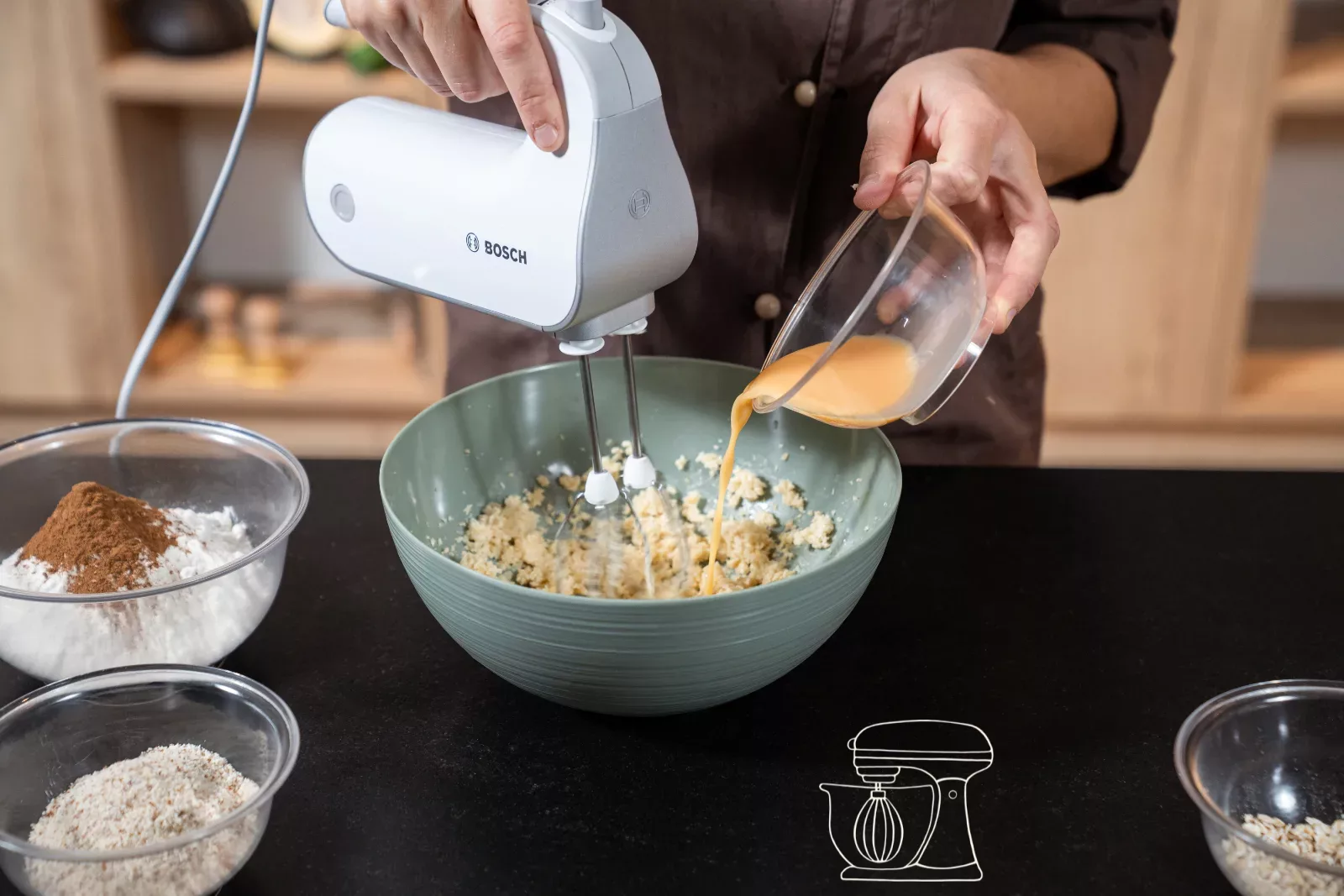
Slowly add the egg
Beat the egg in a small mug. An egg without its shell usually weighs almost exactly the 53 g called for in the recipe, handy, isn't it? With the mixer running, let it run into the butter mixture in a thin stream and keep mixing until it is fully absorbed. Please don't tip it all in at once, or the mixture may curdle.
Add the oats, almonds, flour and cinnamon
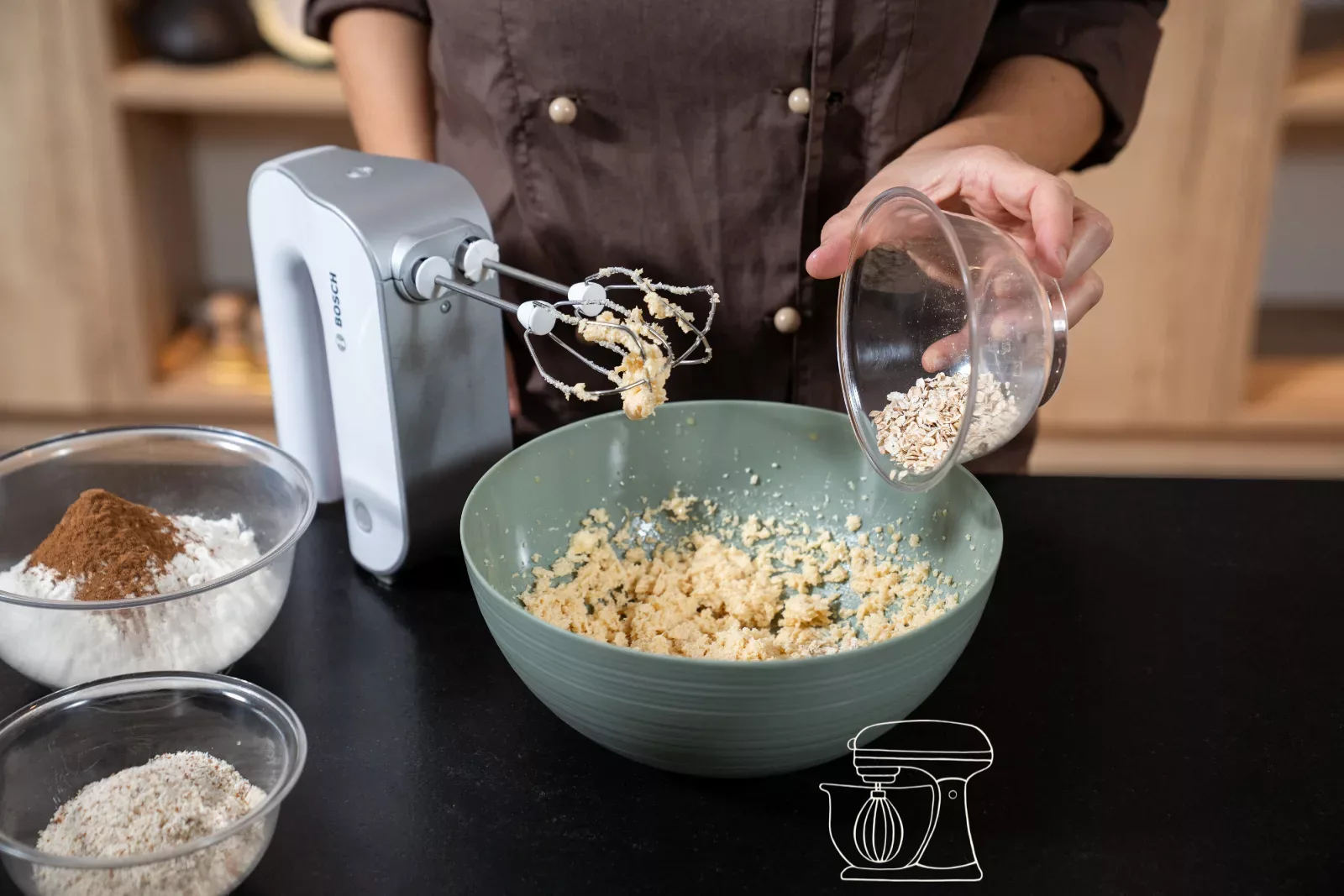
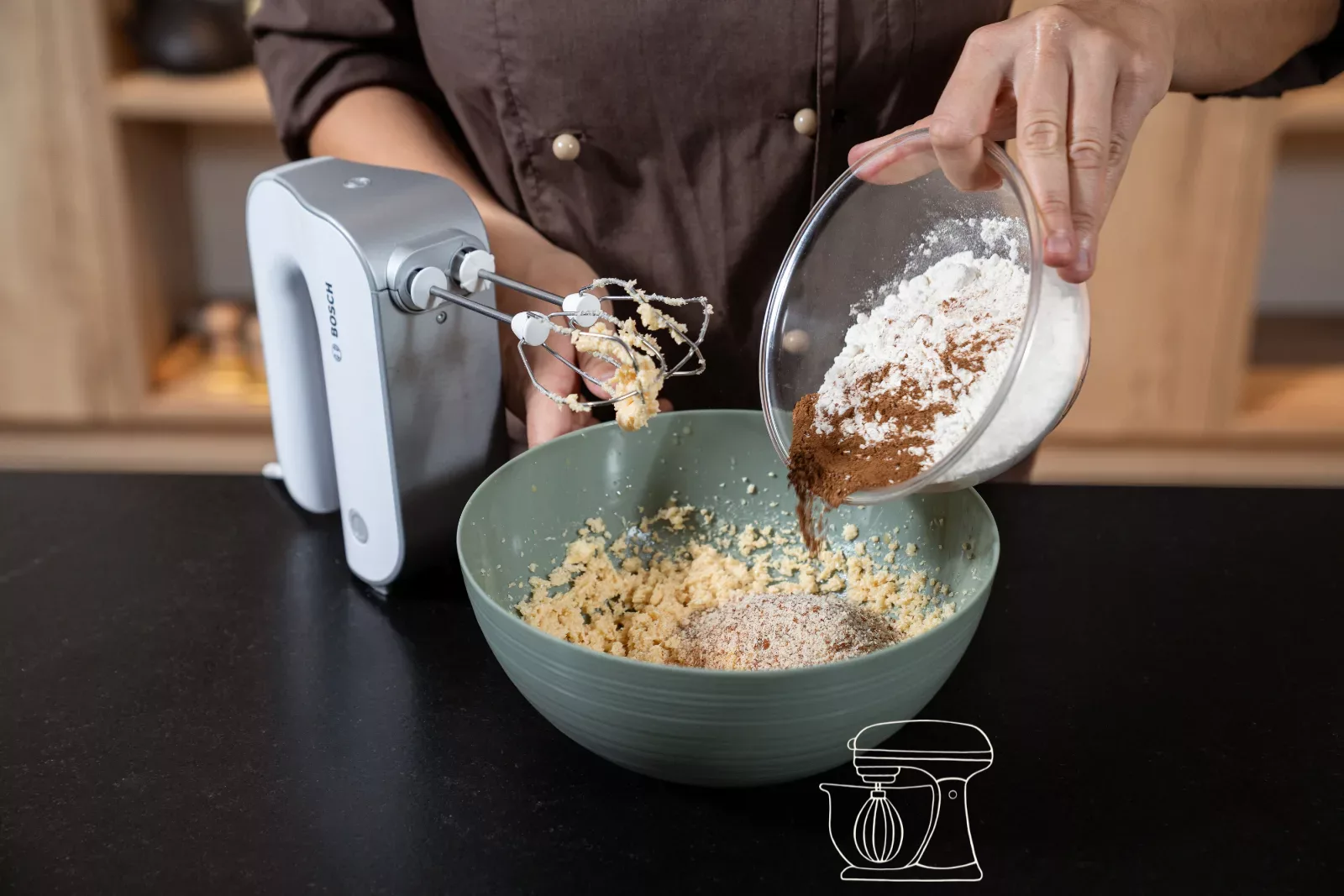
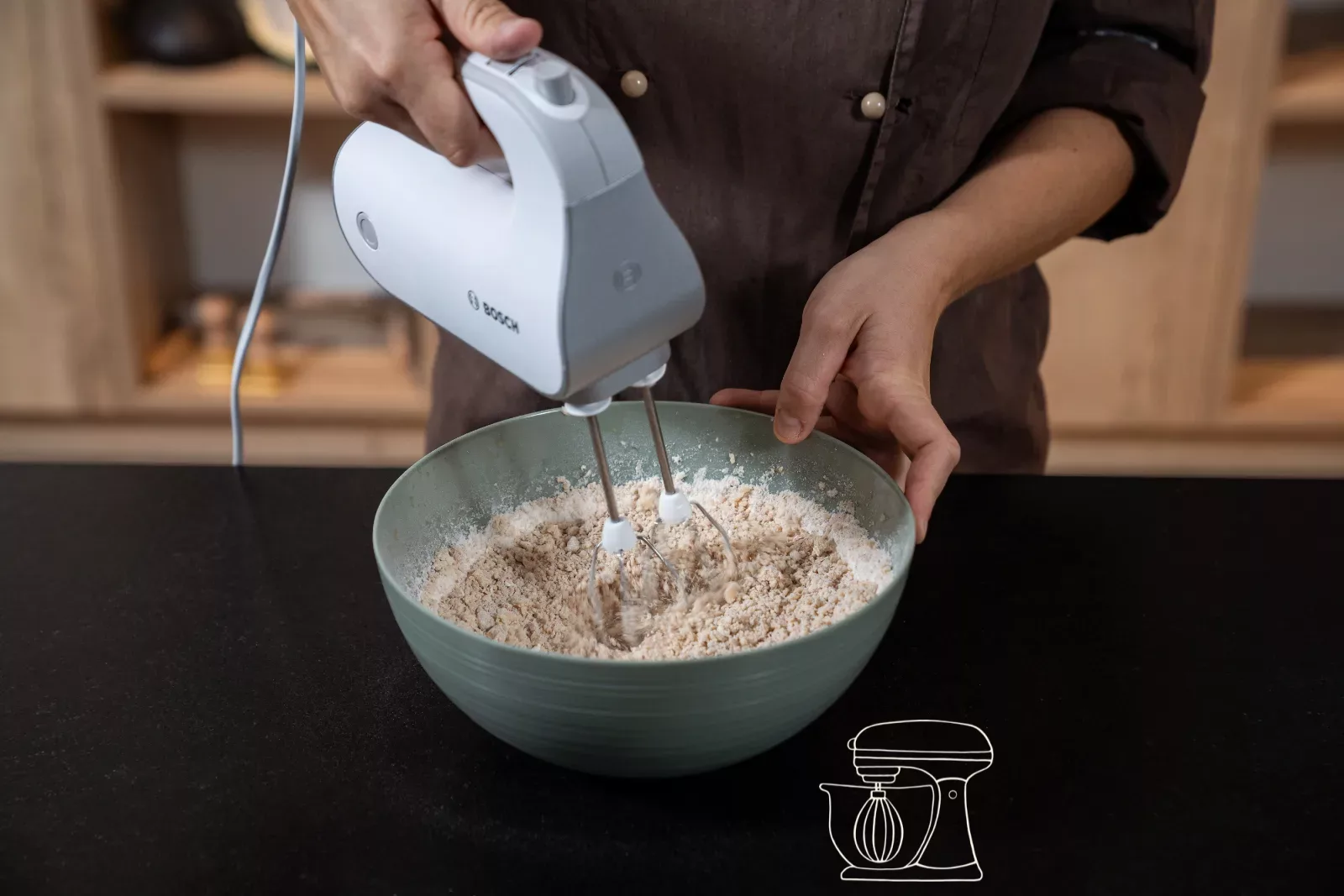
First stir in the oats and the ground almonds briefly. Then mix the spelt wholemeal flour with the cinnamon and the pinch of salt and add everything to the bowl. Now just mix on a low setting until no dry patches of flour are visible. At this stage the dough is still crumbly, and that is exactly right.
Knead and chill for one hour
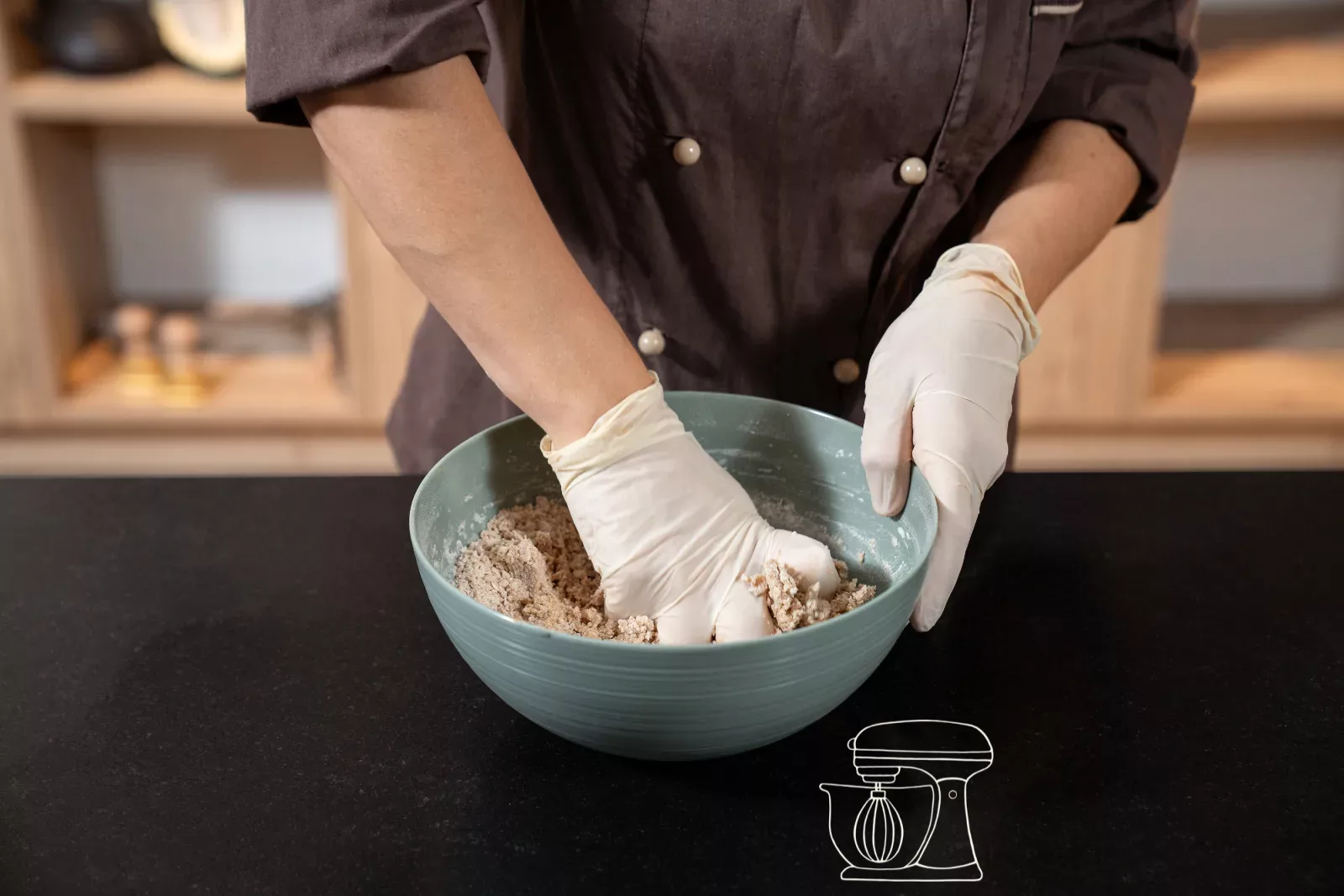
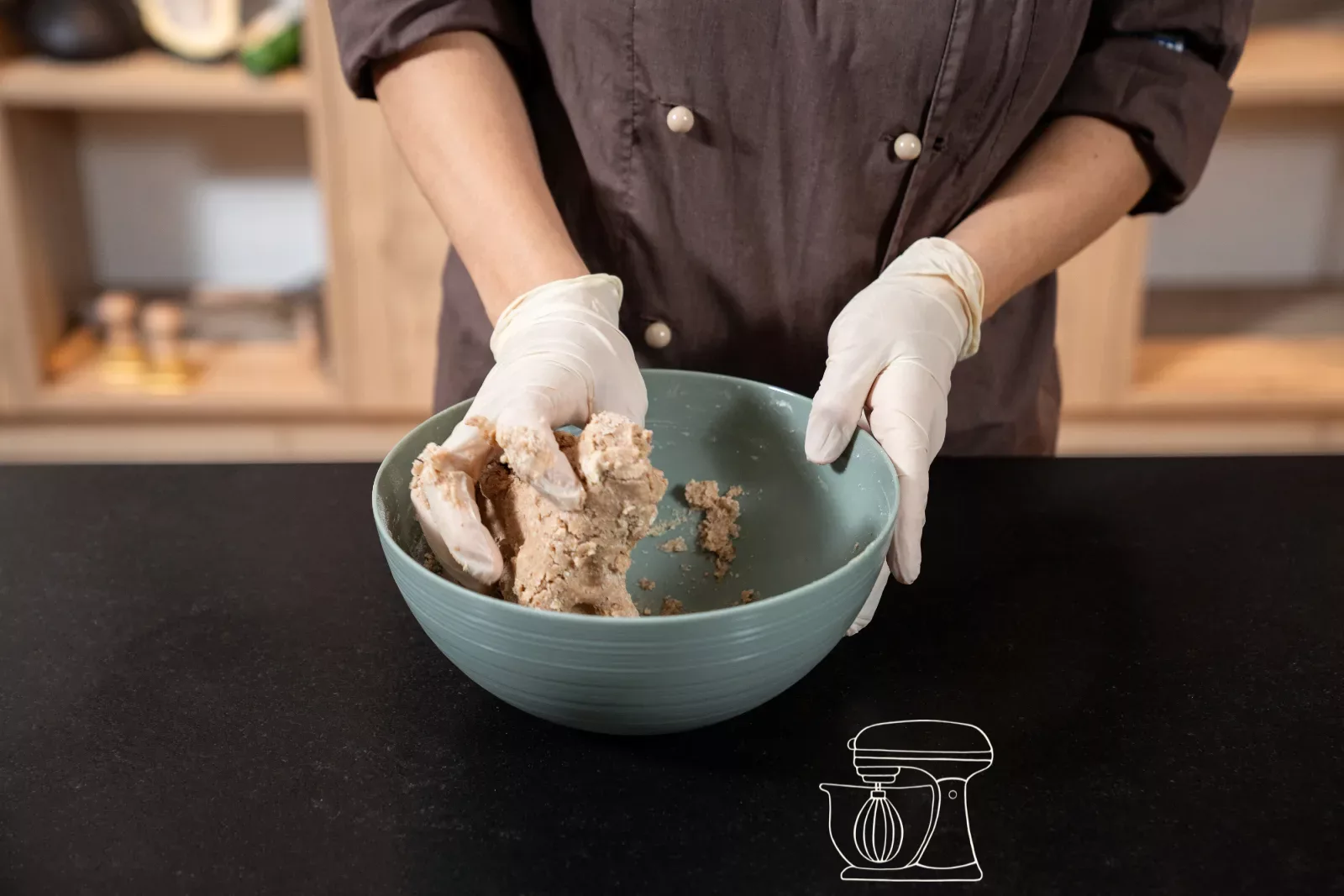
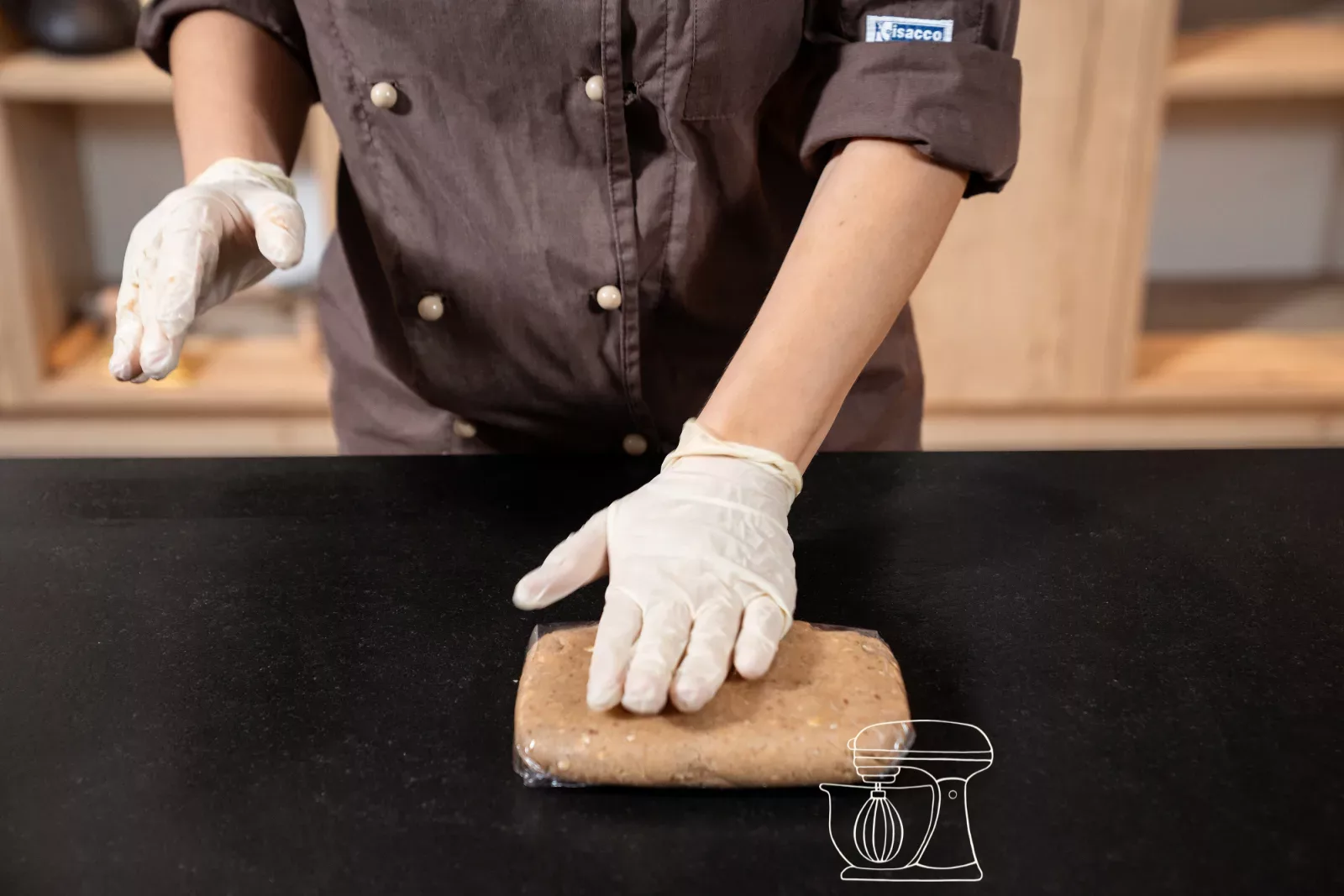
Press the crumbs together with your hands and knead the dough only until it is smooth. The less you work it, the more tender your cookies will be. Then press it into a flat, rectangular block, wrap it in cling film and chill it in the fridge for about an hour. A flat block cools down faster and is much easier to roll out later than a ball.
Cut out and bake the snowflake stars
Roll out the dough 5 mm thick
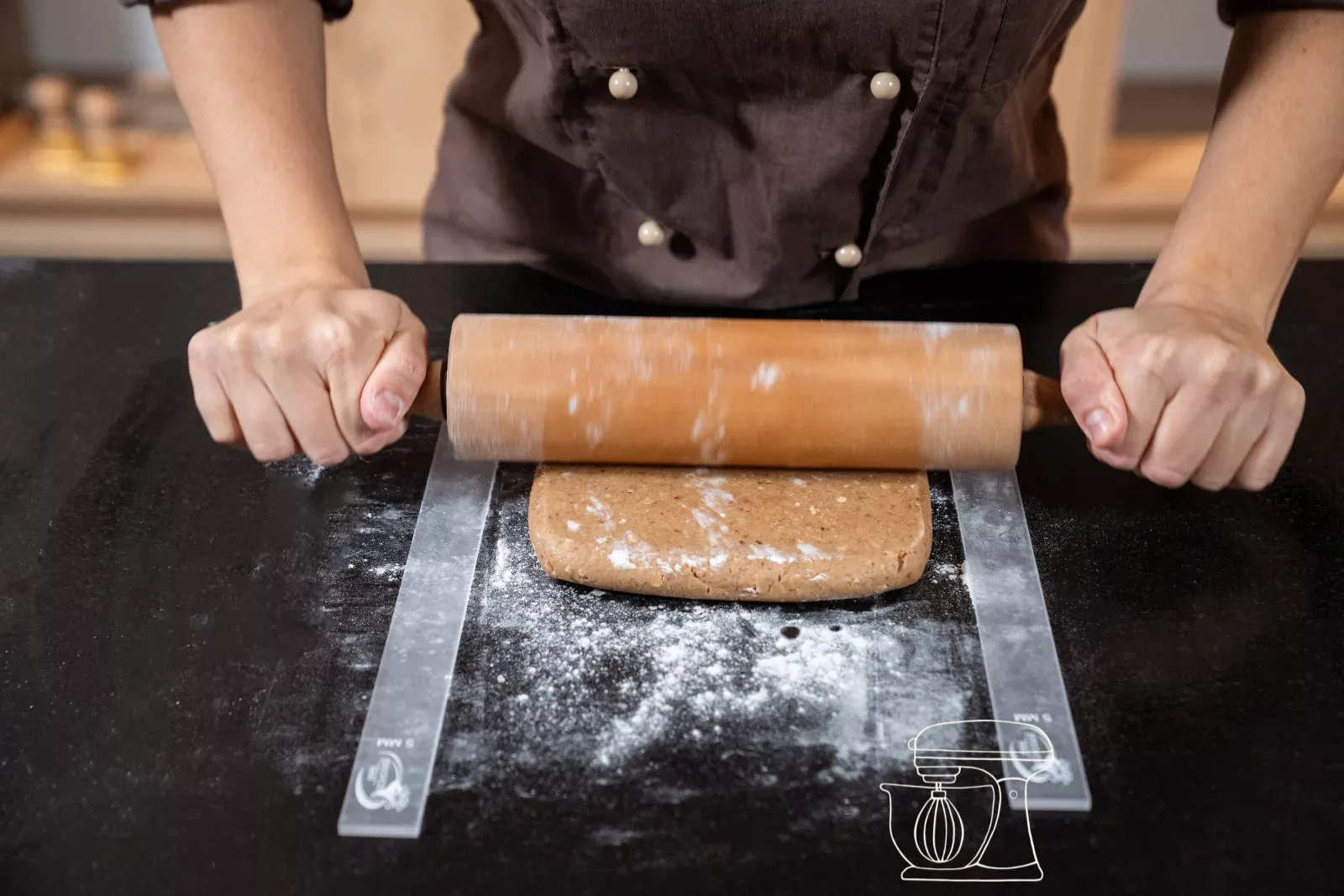
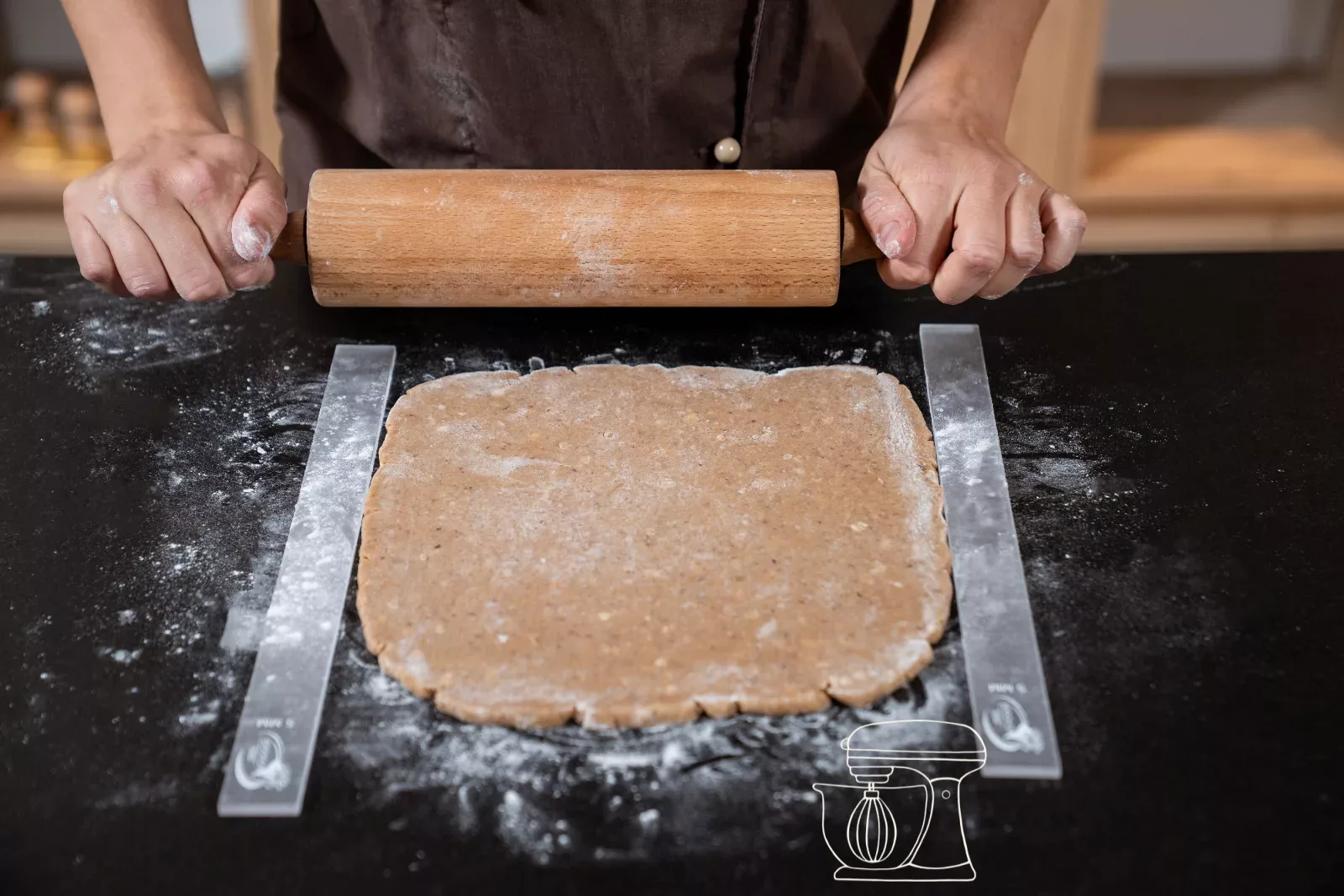
Preheat the oven to 170 °C convection heat and line two baking trays with baking paper. Dust the work surface lightly with flour and roll the dough out to about 5 mm thick. Our favourite trick: place a strip of dough on the left and right as spacers. This way the dough is evenly thick everywhere, and all the stars are baked at the same time.
Cookie cutter Eiskristall, 4 cm
Cookie cutter Eiskristall, 5 cm
Cookie cutter Eiskristall, 7 cm
Acrylic rolling pin set, 3/5/10 mm
Cut out the snowflake stars
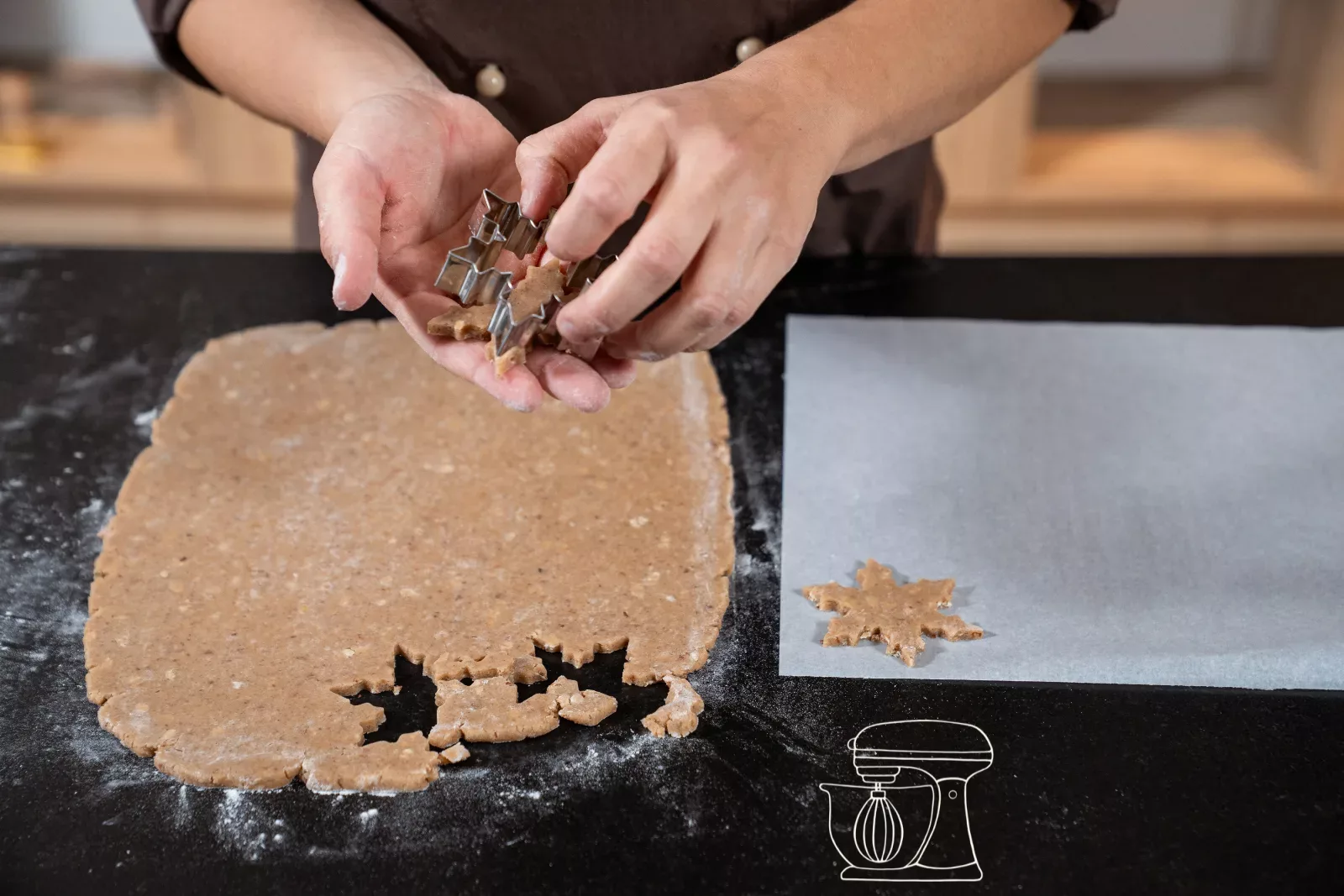
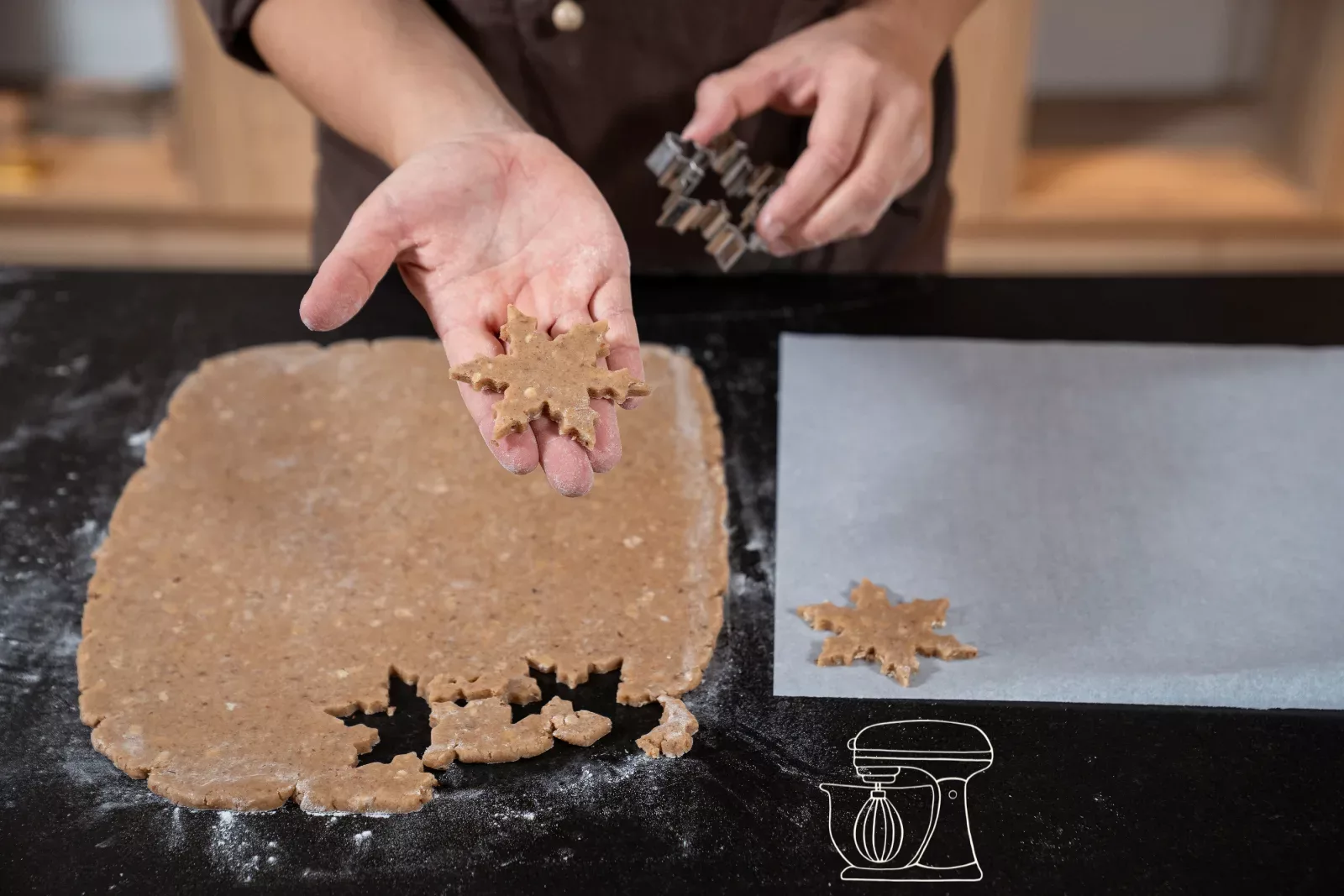
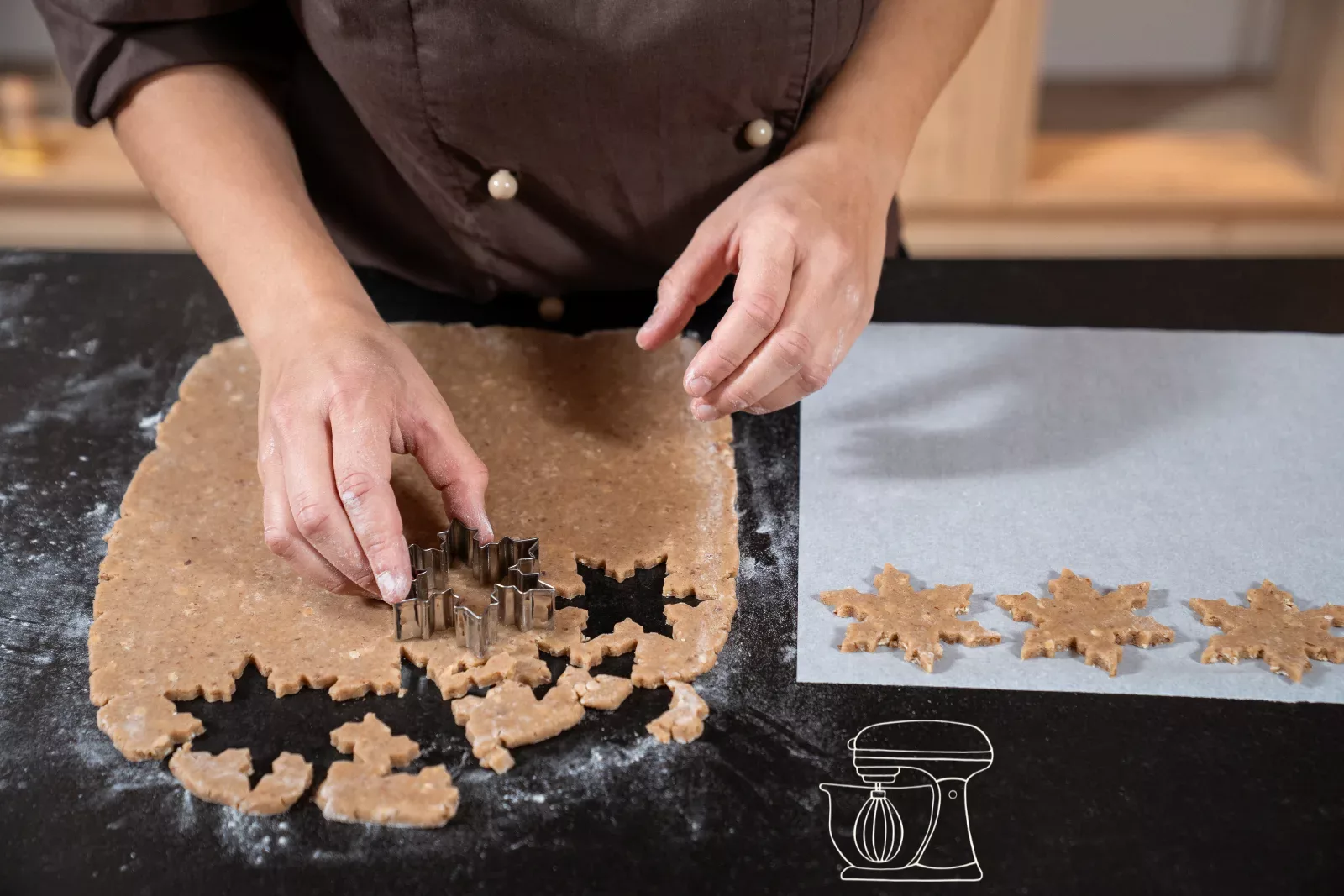
Cut out the stars with the snowflake cookie cutter, pressing it down as closely together as possible so that only few scraps are left over. We used the 7 cm cutter, which gives you about 40 cookies. The snowflake cutter comes in different sizes, though: with the small 4 or 5 cm stars you will get noticeably more cookies, and they need one to two minutes less in the oven. Place the stars on the baking paper with some space between them. Gently knead the scraps together, roll them out again and keep cutting. If the dough becomes too soft in the process, let it rest in the fridge for 10 minutes.
Bake until golden brown
Bake the cookies in the middle of the oven for 10 to 15 minutes, until the edges are lightly golden brown. When you take them out they will still be a little soft, but don't worry, they firm up as they cool. Let them cool completely on the tray before decorating, as the chocolate would not set properly on warm cookies.
Chocolate and glitter
Tempering the couverture
To make the chocolate shine later and snap when you bite into it, it needs to be tempered. It sounds complicated, but it isn't! Melt two thirds of the couverture over a water bath or in the microwave in short intervals to 45 to 50 °C. Then add the remaining third and stir until everything has melted and the couverture has cooled to 31 to 32 °C. A Thermometer helps you a lot with this.
No time or no Thermometer to hand? Then simply use Dark couverture cake icing instead of couverture. It doesn't need to be tempered: melt it in the microwave in 30-second steps and stir well in between until it is nicely liquid. It still shines beautifully and sets firm as it dries.
Milk chocolate cake icing, 250 g
Dark cake icing for cakes & cookies, 250 g
Deco melts: Brown with caramel flavour
Deco melts - White
Dipping the stars halfway
Pour the tempered couverture into a small, rather deep bowl. Hold each star by one side and dip it diagonally until halfway covered. Pull it out slowly, let it drip briefly and wipe the underside against the edge of the bowl. Then place it on a piece of baking paper.
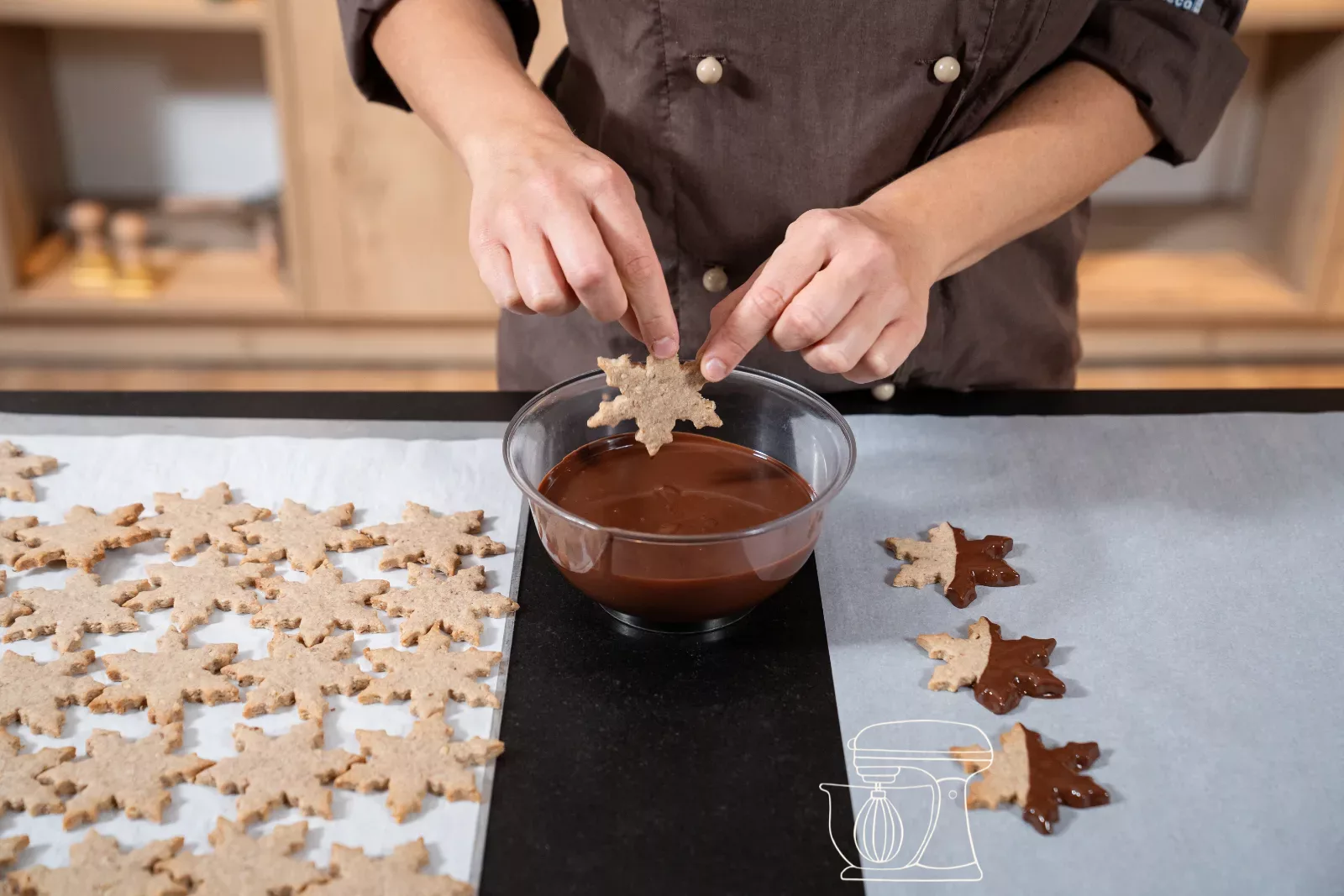
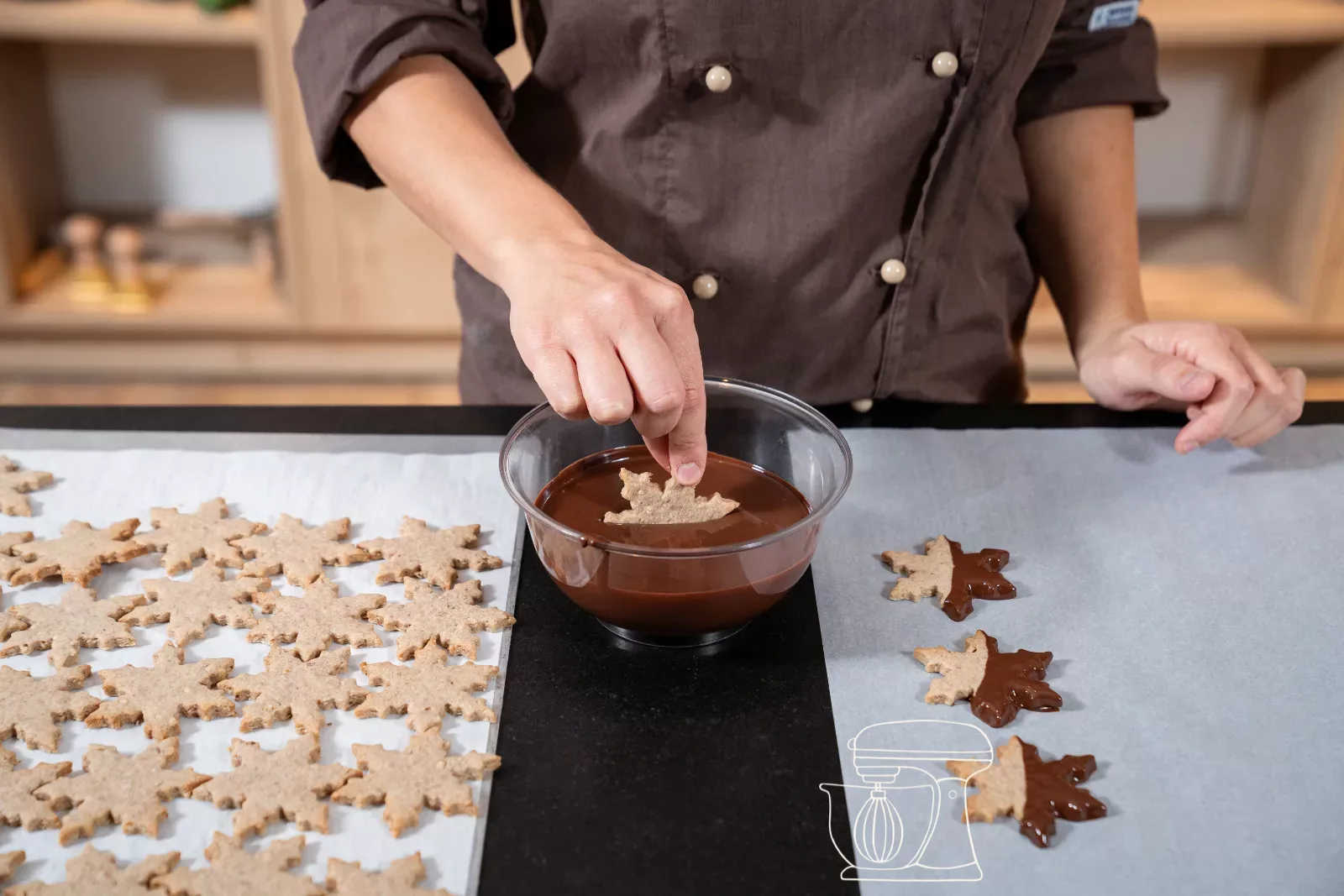
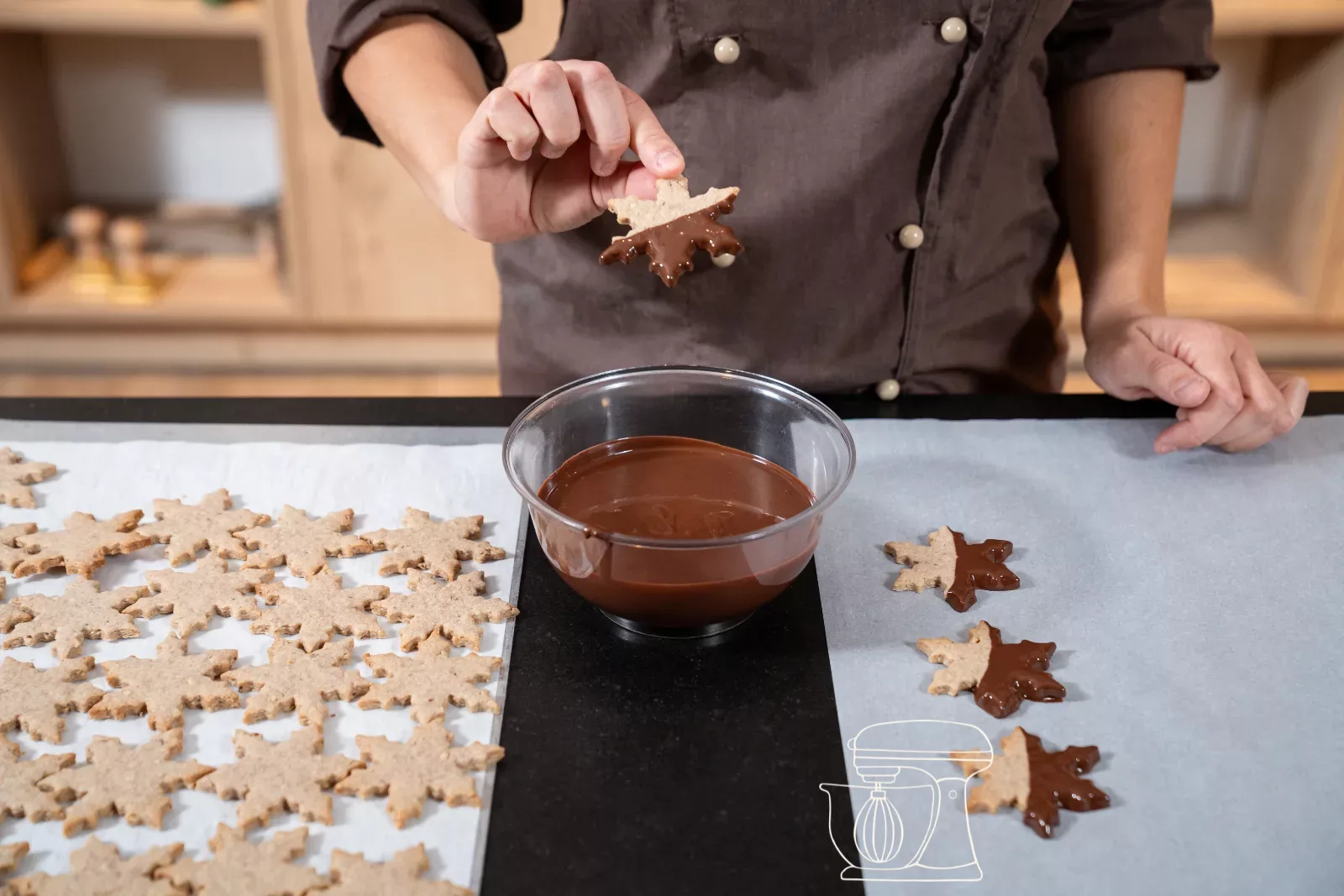
Grand Cru Maracaibo 65% couverture, 0.5 kg
Sprinkle decor "Mini-Schneeflocken"
Sugar decoration snowflakes
Sprinkle decor blue snowflakes
Decorating with glitter sprinkles
Now comes the best part! Sprinkle the sugar sprinkles straight away over the still soft couverture. It works best after every third or fourth star, so they are sure to stick. Then let the cookies set at room temperature for about 30 minutes, and your snowflake stars are ready for the Christmas plate.
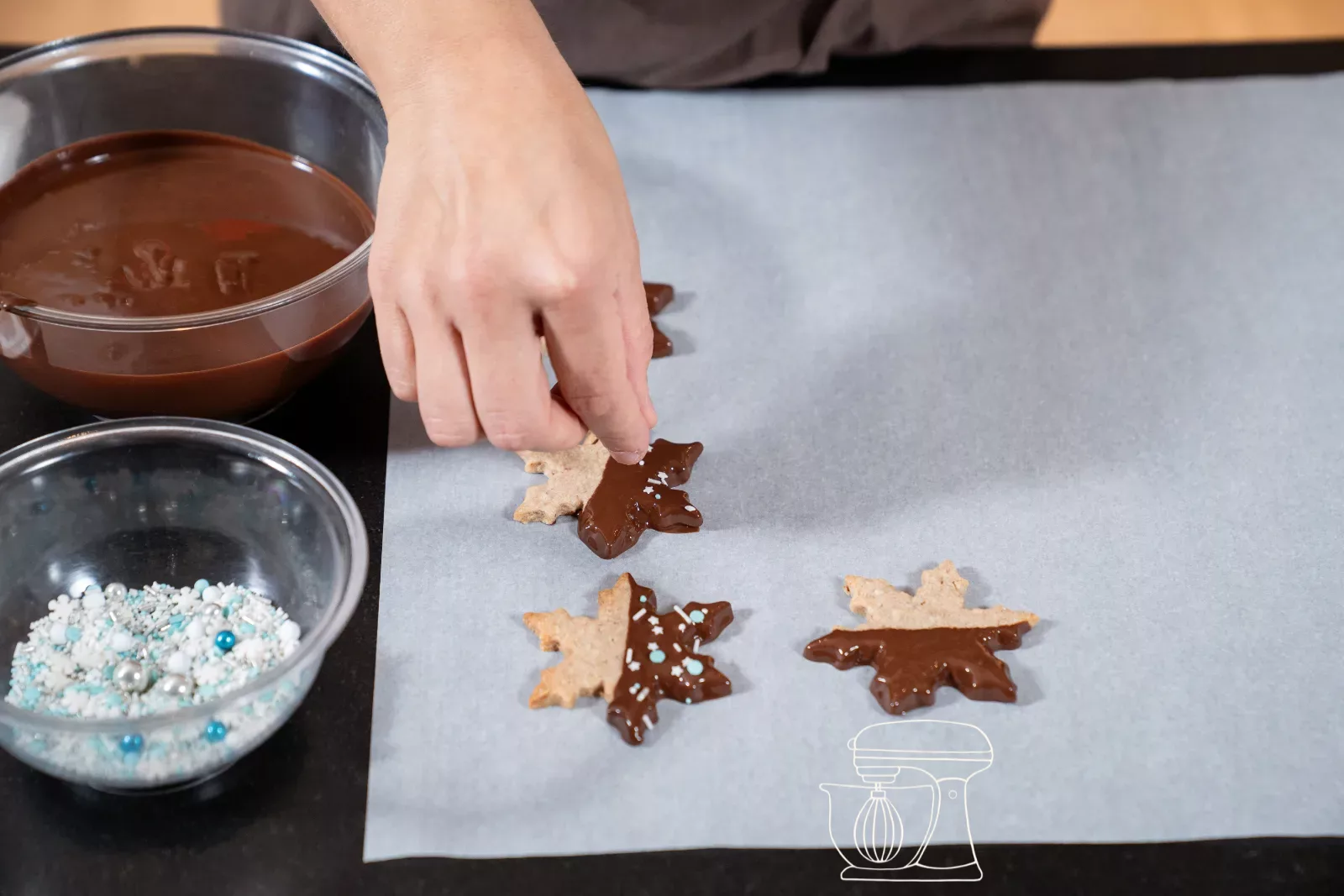
Sugar decoration snowflakes - 50g
Sprinkle decor Frosty, 65 g
Sprinkle decor "Frozen"
Sprinkle decor Christmas magic, 50 g
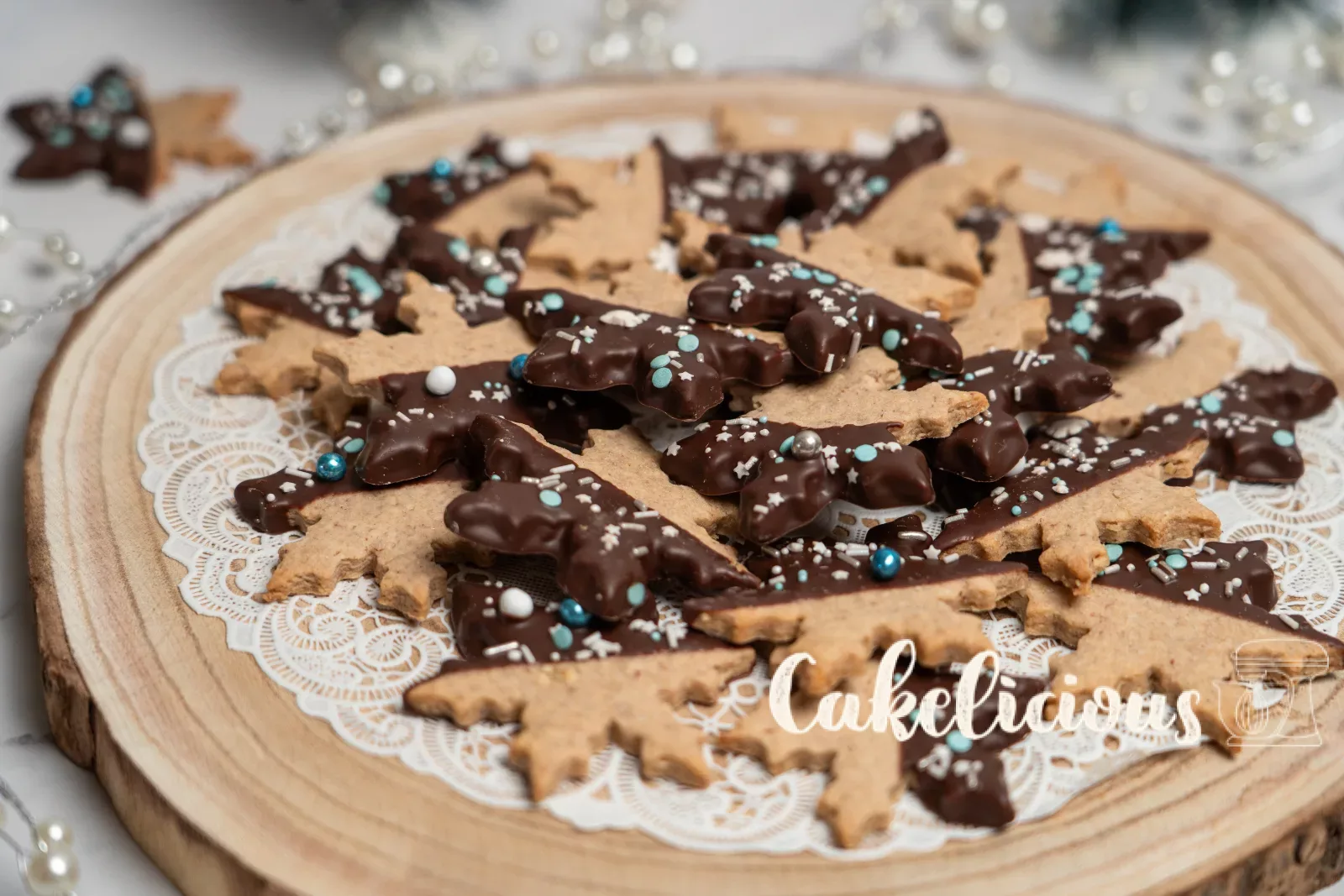
Wholemeal cookies
Ingredients
For the dough
For decorating
Method
- Dough: Cream the butter and raw cane sugar, slowly add the egg, then briefly mix in the oats, almonds, flour, cinnamon and salt.
- Rest: Knead until smooth, flatten, wrap in cling film and chill for about 1 hr.
- Cut out: Roll out to 5 mm thick and cut out the snowflake stars.
- Bake: Bake at 170 °C fan-assisted for 10 to 15 min and let cool completely.
- Decorate: Temper the couverture, dip the stars halfway in and immediately sprinkle with crumble.
Nutrition per 100 g
Storage & shelf life
Everything for this recipe
Recommended by our bakery team, in exactly the sizes this recipe has been tested with.
Ingredients
Spelt wholemeal flour 1 kg
Almond flour for macarons
Ceylon cinnamon powder, 50 g
Grand Cru Maracaibo 65% couverture, 0.5 kg
Sprinkle decor "Mini snowflakes"
Sugar decoration snowflakes
Sprinkle decor blue snowflakes
Sugar decoration snowflakes 50g
Sprinkle decor Frosty, 65 g
Sprinkle decor "Frozen"
Sprinkle decor Christmas Magic, 50 g
Milk chocolate cake icing, 250 g
Dark cake icing for cakes & cookies, 250 g
Deco melts: Brown with caramel flavour
Deco melts - White
Deco melts - Yellow
Deco melts: Violet
Deco melts: Dark blue
Accessories
Ice crystal cookie cutter, 6 cm
Ice crystal cookie cutter, 4 cm
Ice crystal cookie cutter, 5 cm
Ice crystal cookie cutter, 7 cm
Ice crystal cookie cutter, 8 cm
Acrylic rolling pin set, 3/5/10 mm
Baking paper XL 46 x 38 cm, 15 pieces
Stainless steel mixing bowl 2000 ml
Delivery in 1 to 2 working days · Free shipping from CHF 100
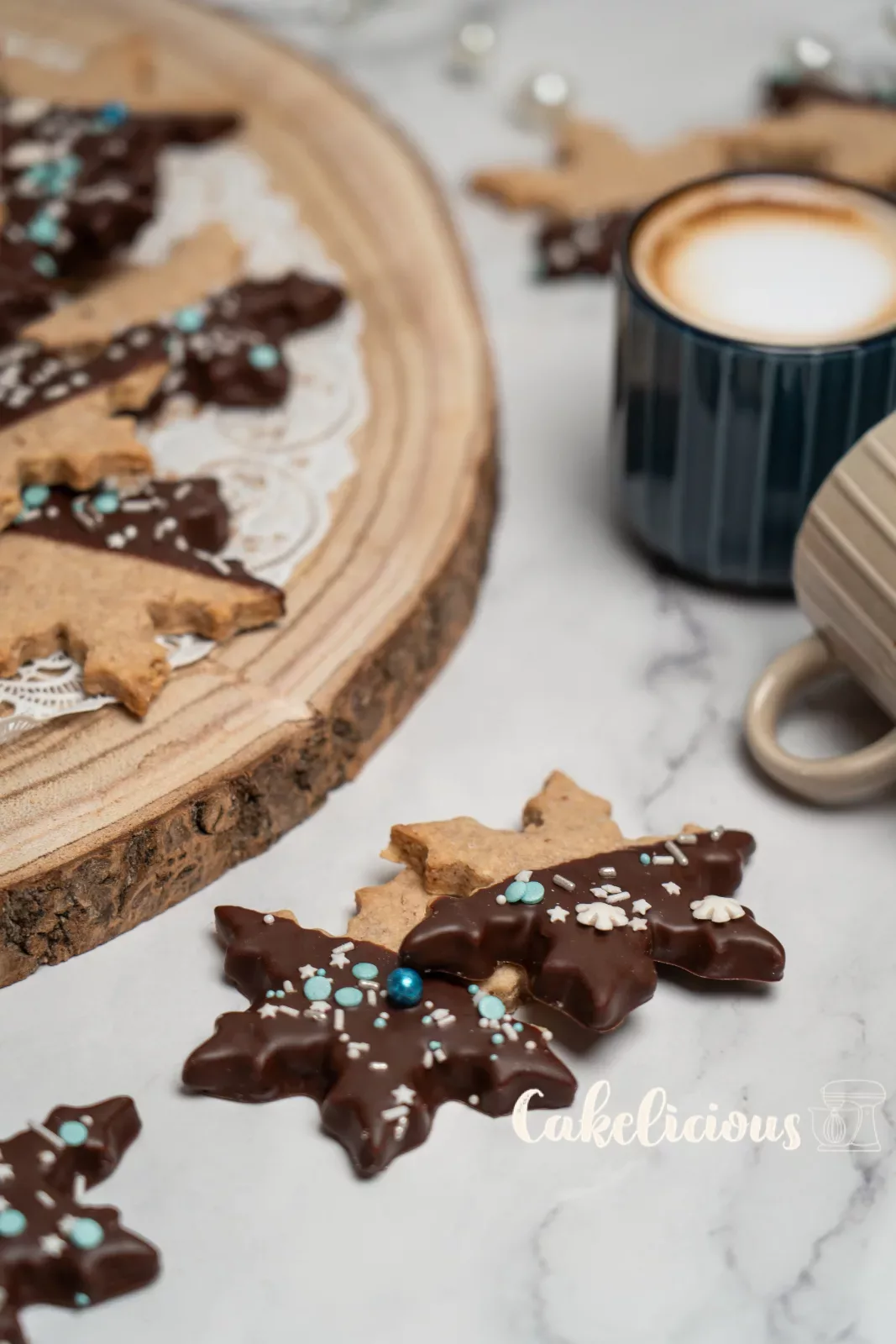
So they are sure to turn out well
The fine points of the snowflake cookies break easily. Lift the cut-out stars onto the tray with a spreading palette or a flat knife, and only touch the baked cookies once they have cooled completely.
Instead of dark couverture, you can also use white couverture and sprinkle the stars with blue or silver sugar pearls. That way they look like real ice crystals.
If the couverture becomes thick while you dip, it has become too cool. Warm it very briefly by 1 to 2 °C, but not above 32 °C, otherwise you will have to temper it again.
Frequently asked questions
Yes, that works. With wholemeal wheat flour the cookies taste similar, with white flour they become lighter and a little milder. For the nutty flavour, however, spelt wholemeal is best.
Nothing! Wholemeal flour absorbs more liquid than white flour. Simply knead the dough a little longer with warm hands. If it still stays dry, a teaspoon of water or a small piece of soft butter will help.
If you want glossy, crisp chocolate, yes. Untempered couverture turns dull, sometimes develops grey streaks and stays soft for longer. It will still taste good to everyone, though.
The simple alternative is cake icing: it is only melted in the microwave and sets firm and glossy without any tempering.
Print recipe
Choose what should appear on the printout.
Related posts
 Matcha Muffins with Pecan Nuts and White Chocolate: Fluffy and Moist
Golden Milk: the warming turmeric drink for little moments of rest
Matcha Iced Latte: creamy, cool and ready in 5 minutes
Pull-apart bread with wild garlic pesto: for sharing, no knife needed
Mini Banana Bread with Chocolate Chips: Moist Snacks for On the Go
Leave a comment