Free shipping on orders of CHF 150 or more
Order by 4:00 p.m. - Next business day delivery
Over 8,000 products
Online shop only, no store
Free shipping on orders of CHF 150 or more
Order by 4:00 p.m. - Next business day delivery
Over 8,000 products
Online shop only, no store
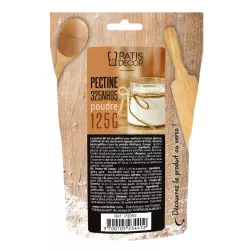
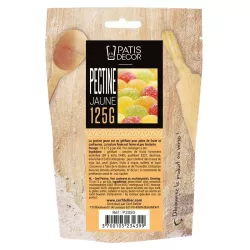
Not all pectins are created equal, and the choice depends on the type of recipe you wish to make. Yellow pectin is most commonly used for jams, jellies and classic fruit jellies: it requires sufficient sugar and a certain acidity to activate its gelling power. HM (highly methylated) pectin works on the same principle and is perfectly suited to traditional recipes rich in sugar.
For low-fat preparations, LM (low-methylated) pectin is ideal: it gels with little or no sugar thanks to the addition of calcium, making it suitable for sugar-reduced jams. Finally, NH pectin is highly prized in professional patisserie: thermoreversible, it can be used to make toppings, inserts, glazes and decorations that can be reheated without losing their texture. Choosing the right pectin guarantees a controlled texture and professional results.
If pectin is not available, there are several natural alternatives that can be used depending on the recipe. Agar-agar, derived from red seaweed, has strong gelling properties and is suitable for jellies, jams and desserts, but gives a firmer, more brittle texture than pectin. Guar gum is mainly used as a thickener for sauces, creams and cold preparations. For dairy recipes, carrageenan is an excellent vegetable alternative. However, for jams, fruit jellies and toppings, pectin remains the most natural solution and the closest to the fruit.
Yes, pectin is naturally present in many fruits such as apples, citrus fruits and quince. Pectin is a soluble fiber recognized for its beneficial effects on digestion and intestinal transit. It can also help regulate blood sugar levels and limit cholesterol absorption as part of a balanced diet. Pectin is 100% plant-based, gluten-free and free from animal ingredients, making it suitable for vegetarian, vegan and halal diets, while allowing you to create desserts with a natural, controlled texture.
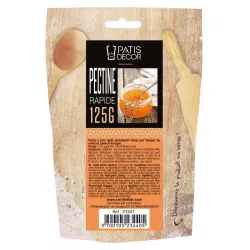
Pectin can be used in a wide range of sweet recipes, both home-made and professional. For homemade jams, mix the pectin with the sugar before incorporation to avoid lumps, then bring to the boil for a few minutes to activate gelling. Yellow pectin is perfect for fruit jellies, guaranteeing a melting, stable texture. In modern patisserie, NH pectin is ideal for making fruity inserts, glossy toppings or glazes that can be reheated without altering the texture. When used in the right proportions, pectin produces precise, elegant and tasty desserts.
Yellow pectin is mainly used for jams and fruit jellies rich in sugar. NH pectin is heat-reversible and suitable for modern pastry toppings, inserts and glazes.
Yes, by using LM pectin, designed to gel with little or no sugar thanks to the addition of calcium.
Pectin can replace gelatin in many sweet recipes, especially fruity ones. It offers a plant-based alternative with a different but very stable texture.
It's best to mix the pectin with the sugar before adding it to the hot mixture.