
How to Get the Mirror Glaze Right: Ingredients, Equipment and the Best Tips
How to Get a Perfect Mirror Glaze: Ingredients, Equipment and the Best Tips
Smooth, glossy and free of air bubbles
Copy link
https://cakelicious.ch/de/blog/so-gelingt-das-mirror-glaze-n167
Tap once to select the whole address, then copy it.
To print: Cmd+P (Mac) or Ctrl+P (Windows)
What you will learn
- Which ingredients are essential for a glossy glaze
- Which equipment you need
- How to avoid air bubbles and a glaze that is too thick
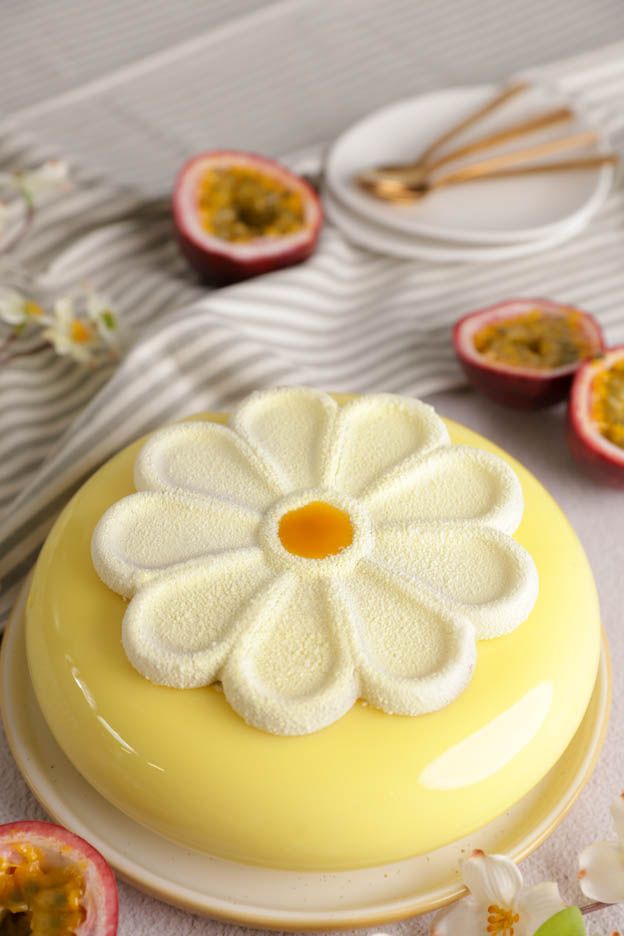
Would you like to finish your dessert with a mirror glaze? Here you will find the most important ingredients, the necessary equipment and answers to the most common questions.
Mirror glaze is an ultra-glossy coating for entremets. It consists of chocolate, sugar syrup, glucose syrup and water, plus sweetened condensed milk, gelatine and food coloring if desired.
Watch the video
01The Ingredients


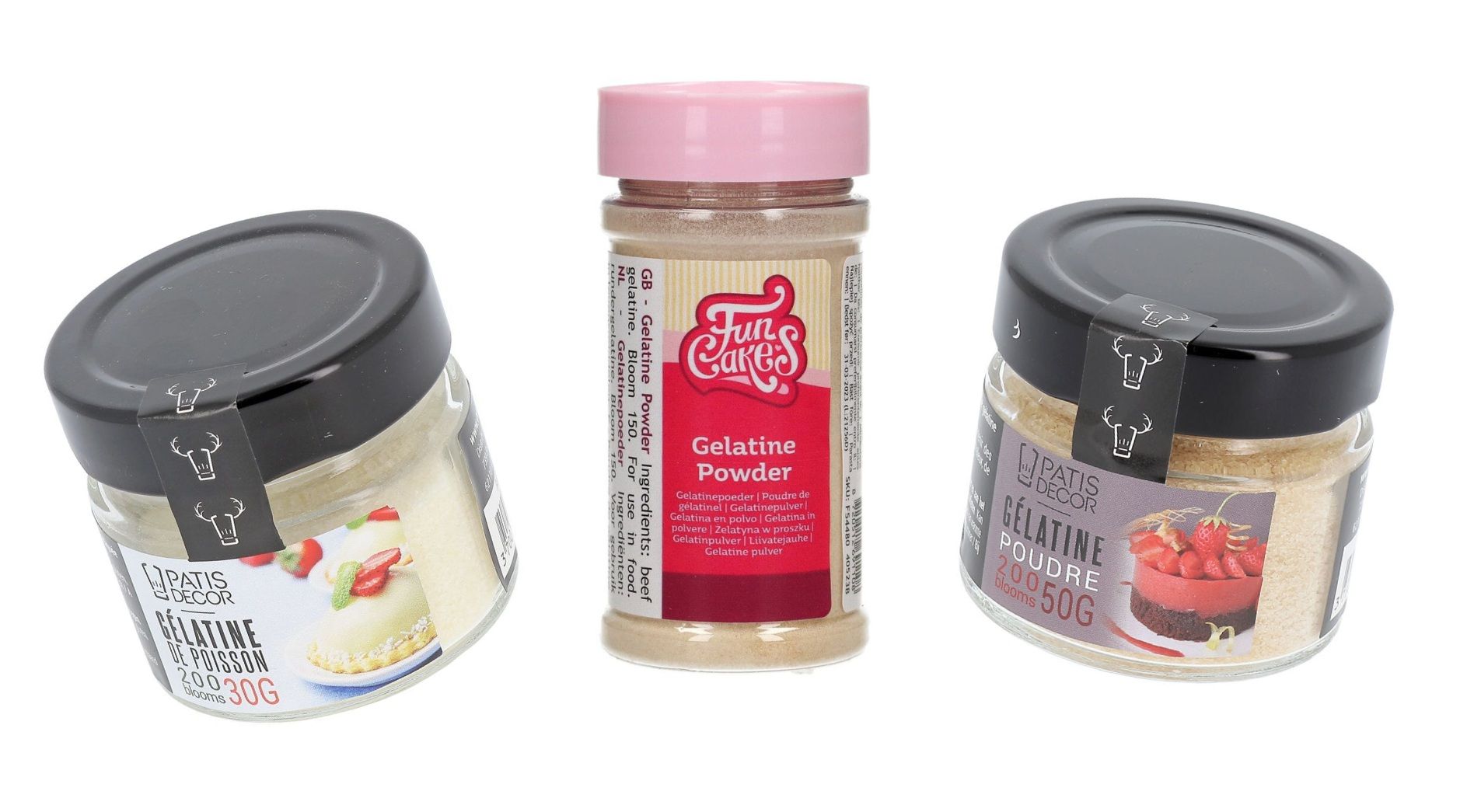
Powdered gelatine
Powdered gelatine gives a more even, less rubbery texture than leaf gelatine. Whether beef, pork or fish: the quantity and method remain the same.
Leaf gelatine works too, but pay attention to the weight: in Switzerland, one sheet weighs approx. 1.66 g.
Agar-Agar is about four times stronger than gelatine, so divide the gelatine quantity by 4. Add it directly to sugar, glucose and water and bring everything to 103 °C, only then will it set properly.
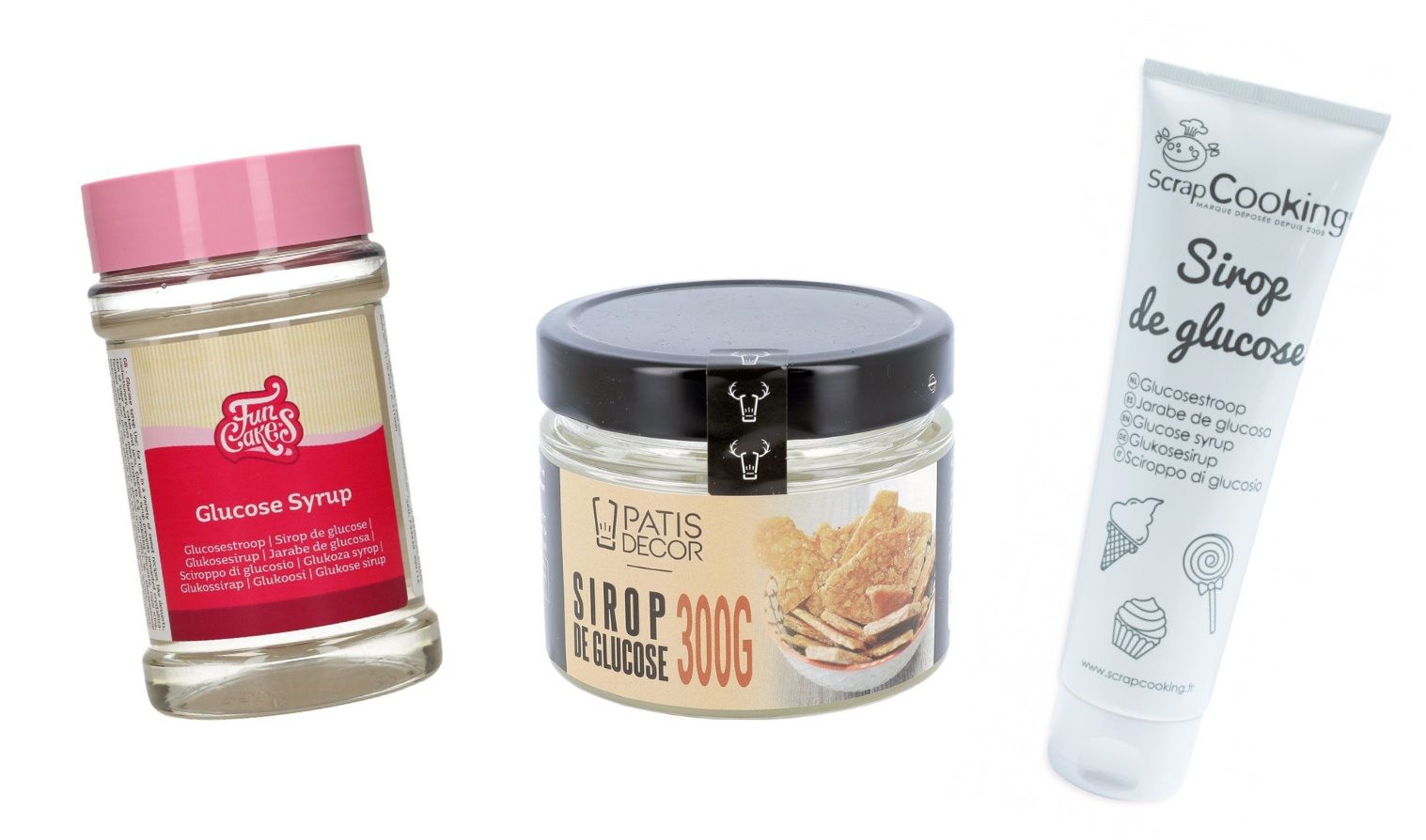
Glucose syrup
It makes the glaze smooth and supple and prevents the sugar from crystallising.
Couverture
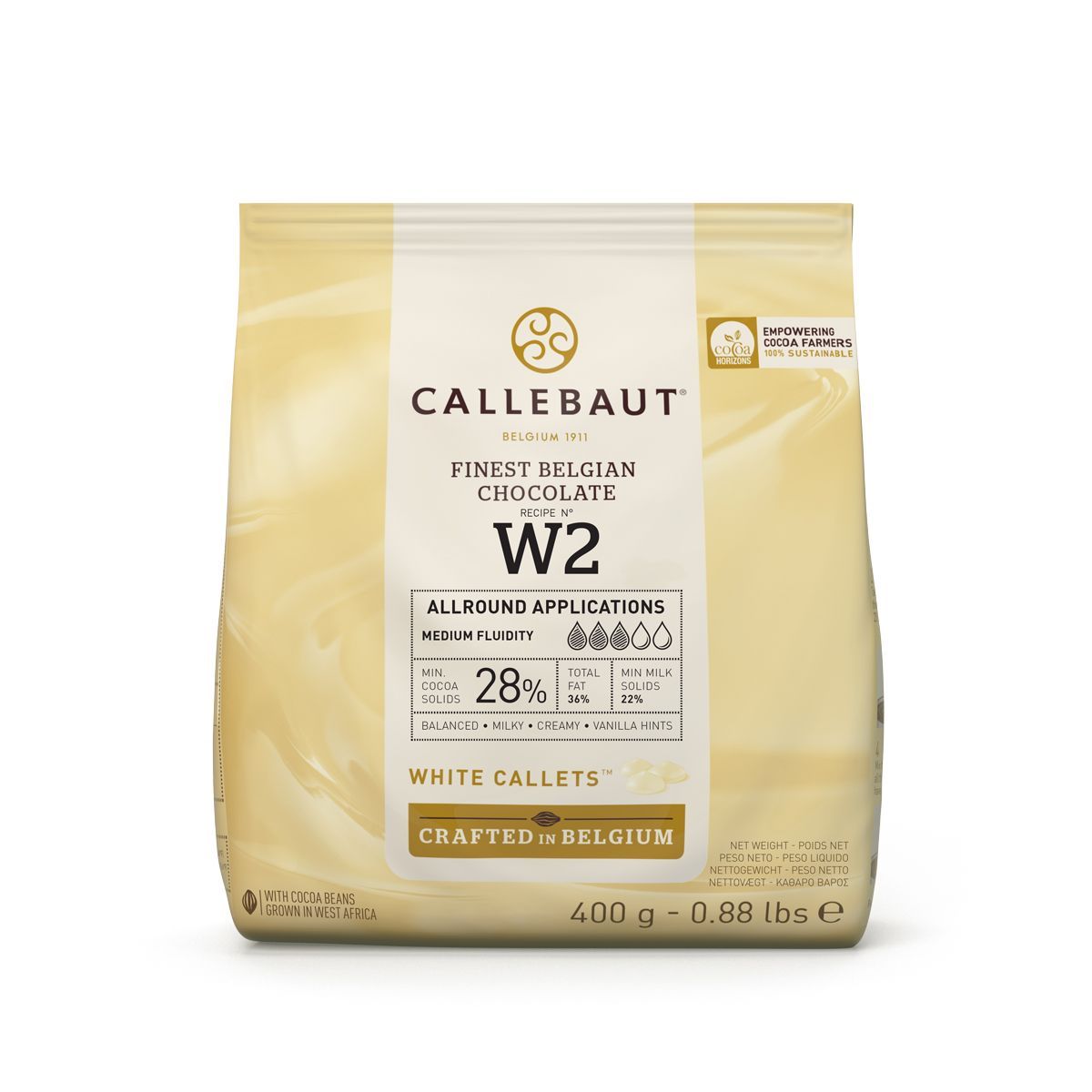
The more cocoa butter, the smoother and more fluid the glaze. That is why we use couverture instead of eating chocolate. White couverture is best for colouring, while milk and dark couverture work with the same quantities.
Gel colors
Gel colors dissolve more easily than powder colors and give intense, even shades. They are highly concentrated, so dose them drop by drop.

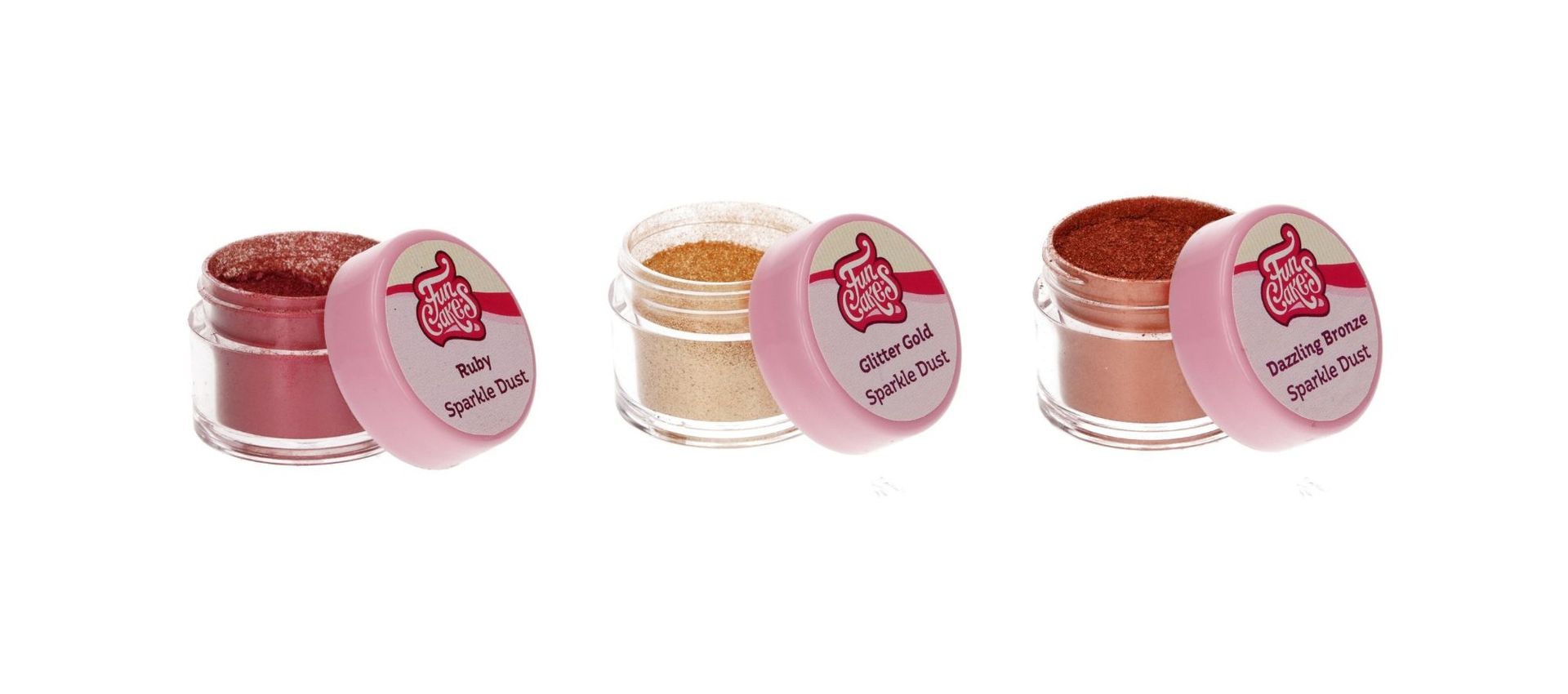
Glitter
Glitter in the colour of the glaze makes it sparkle and intensifies the shade.
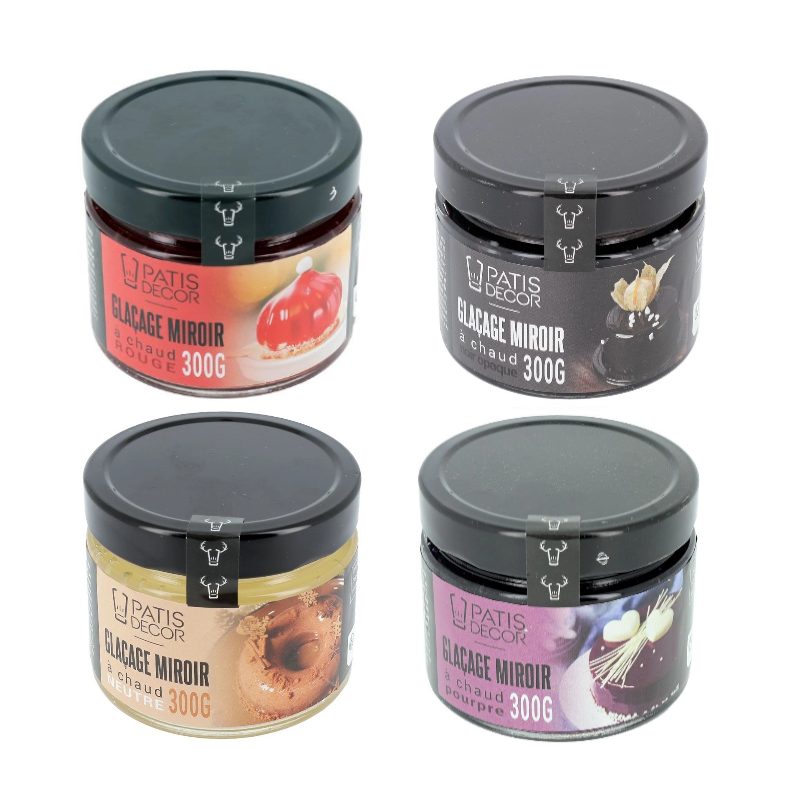
Ready-made mirror glaze
No time? Our ready-to-use glazes are warmed to the stated temperature in a water bath or in the microwave, cooled briefly and poured. The instructions are on the container.
02The equipment
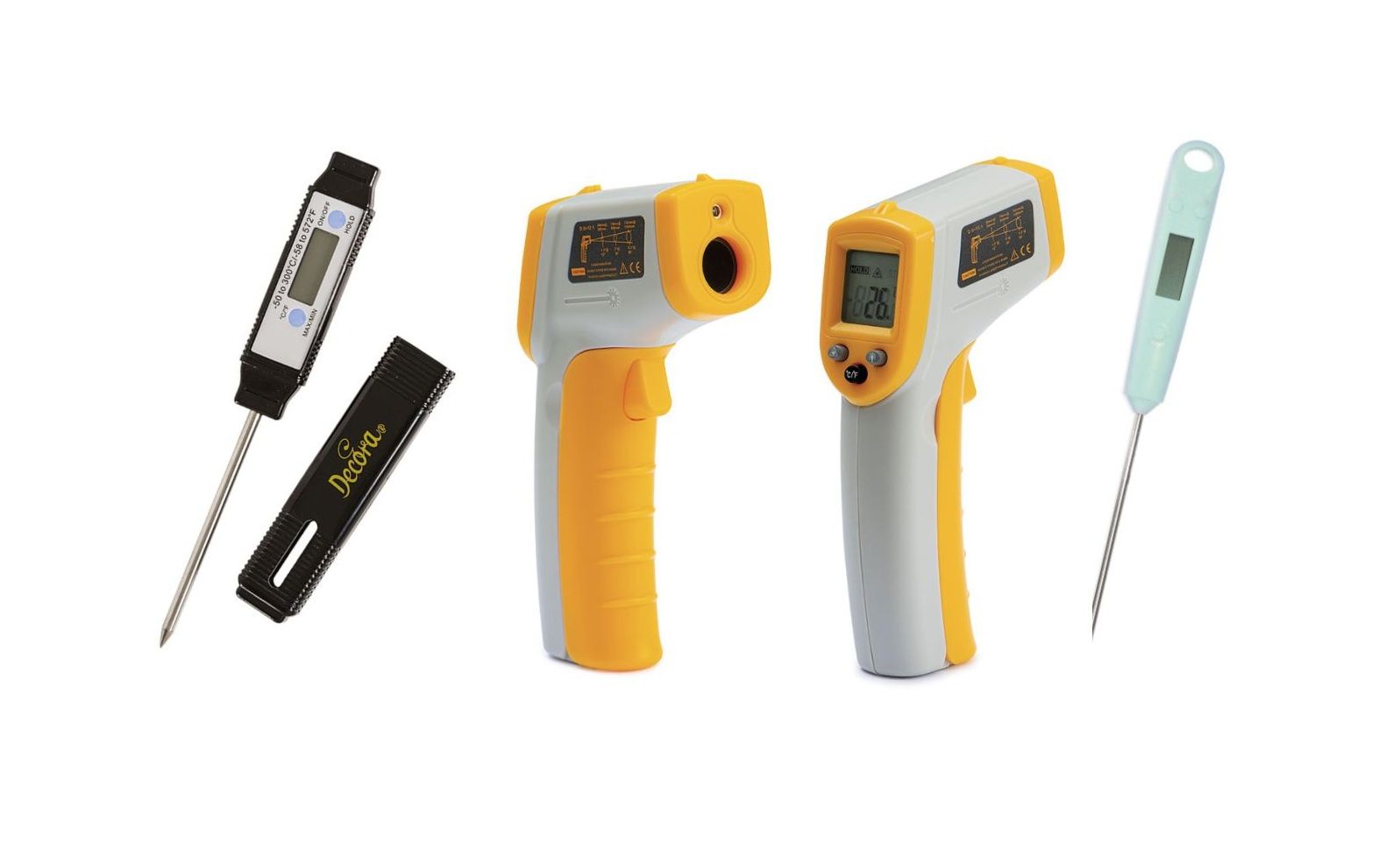
Thermometer
Essential: glaze that is too hot will not hold on the frozen dessert, and glaze that is too cold becomes thick and spreads poorly. A digital or infrared thermometer both work.
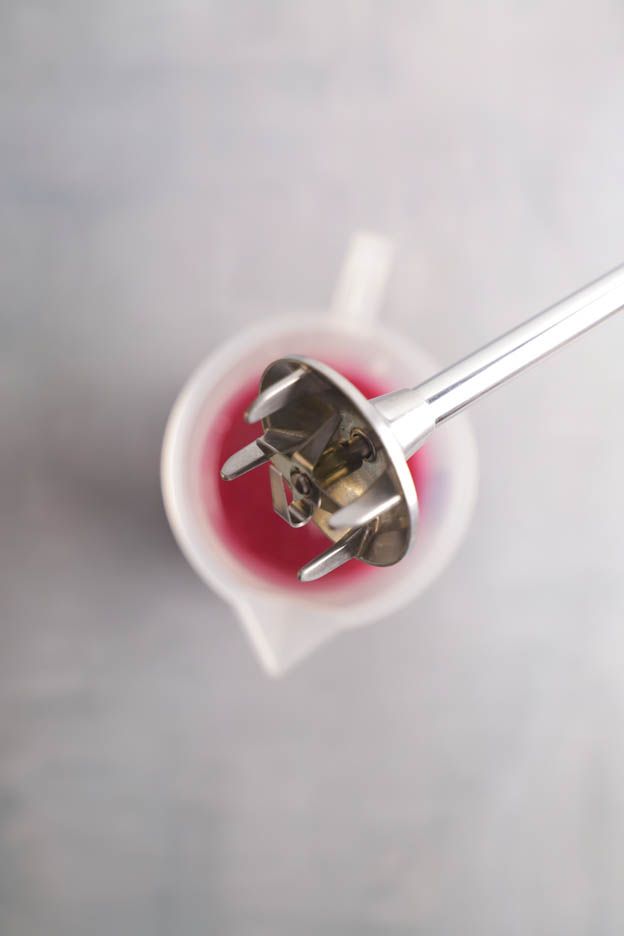
Stick blender
Use an open stick blender without a guard, as a closed one traps air bubbles. Without a suitable blender, make the glaze the day before and pass it through a sieve.
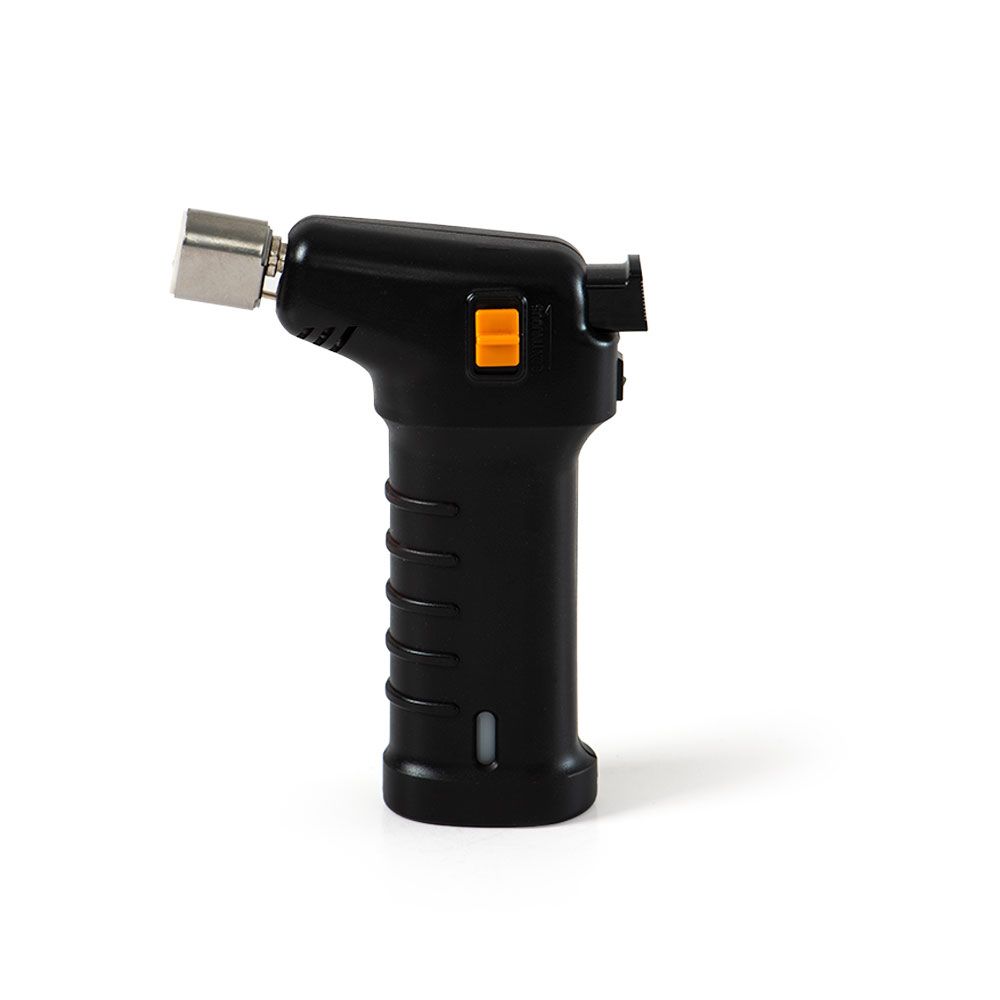
Culinary torch
This removes air bubbles after pouring. Do not hold the flame too close to the dessert.
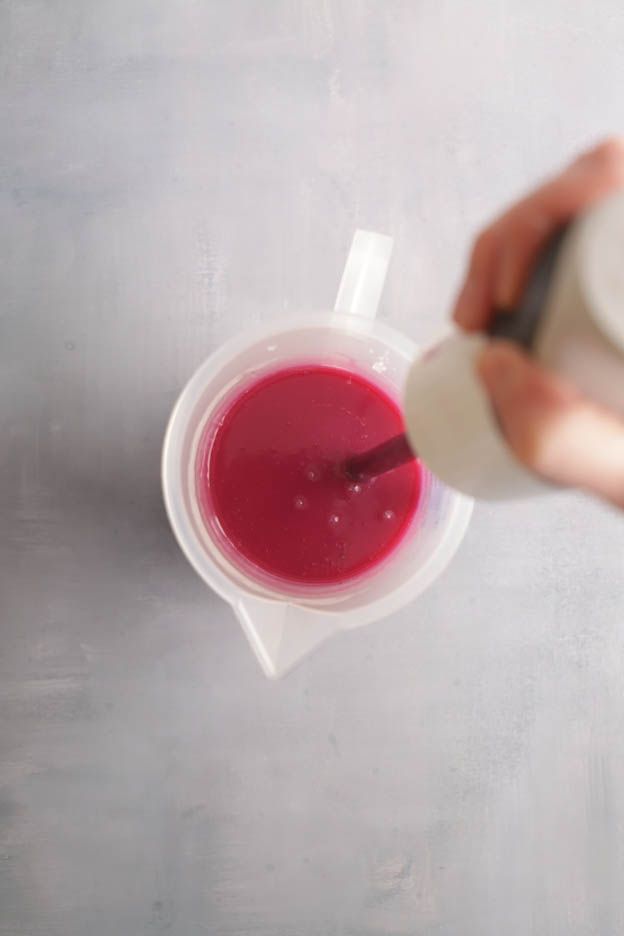
Measuring cup
Ideal for mixing, and thanks to its spout, for precise pouring.
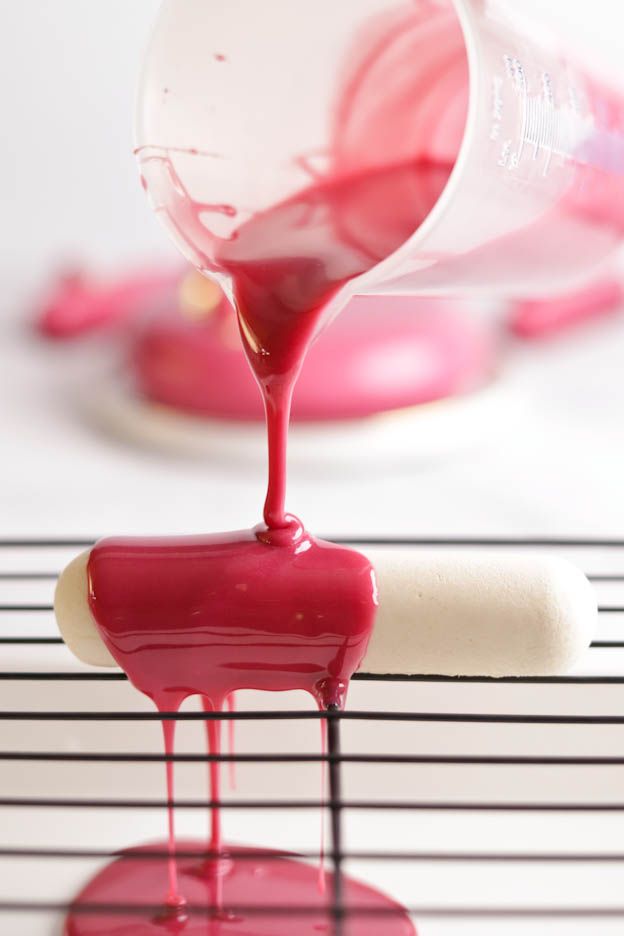
Cake rack and catch tray
Place individual desserts on a cake rack with a tray underneath to catch the excess glaze.
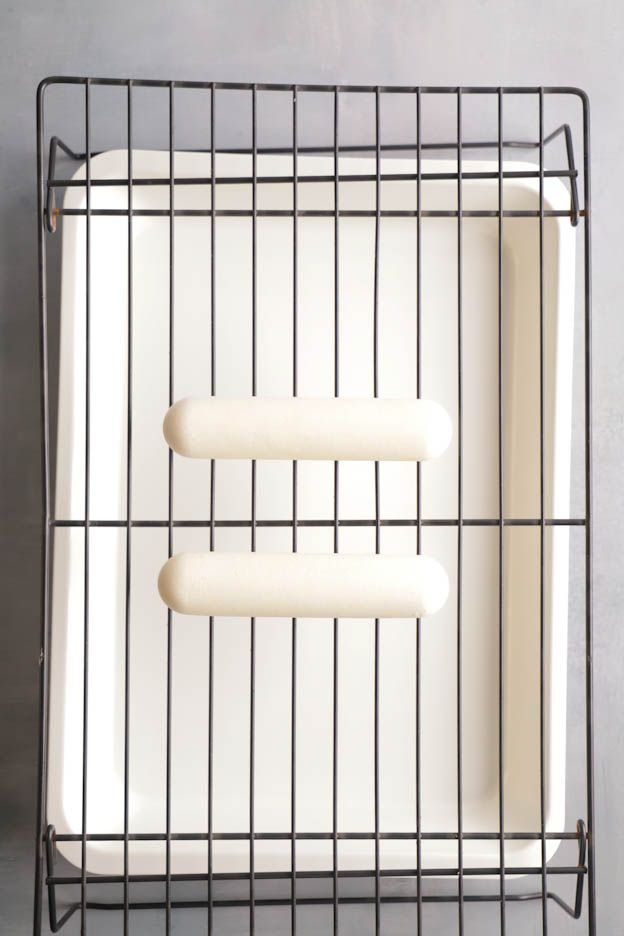
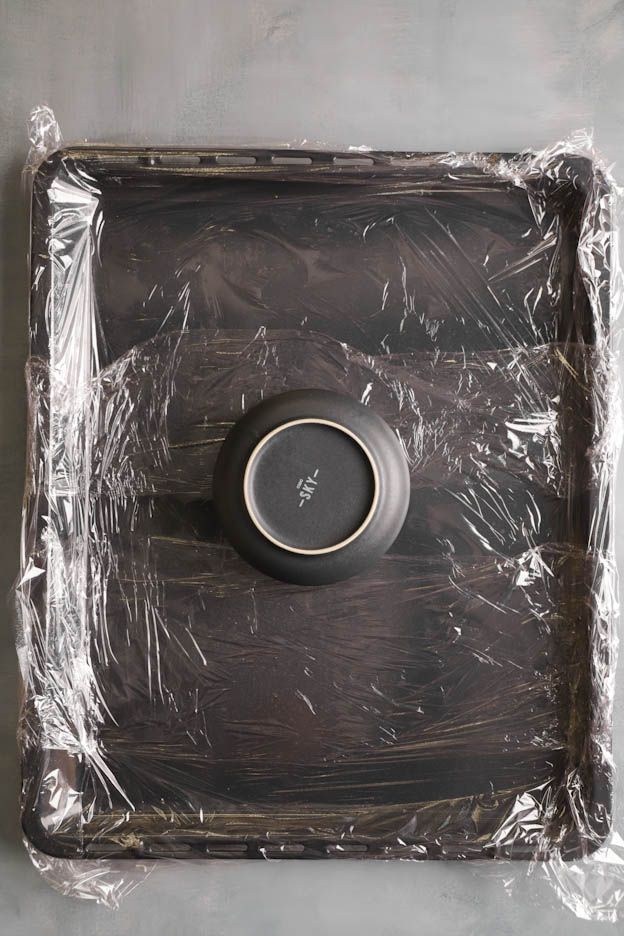
Line a baking tray with cling film, place a small bowl upside down on it and set the dessert on top. This catches the glaze and lets you see everything clearly.
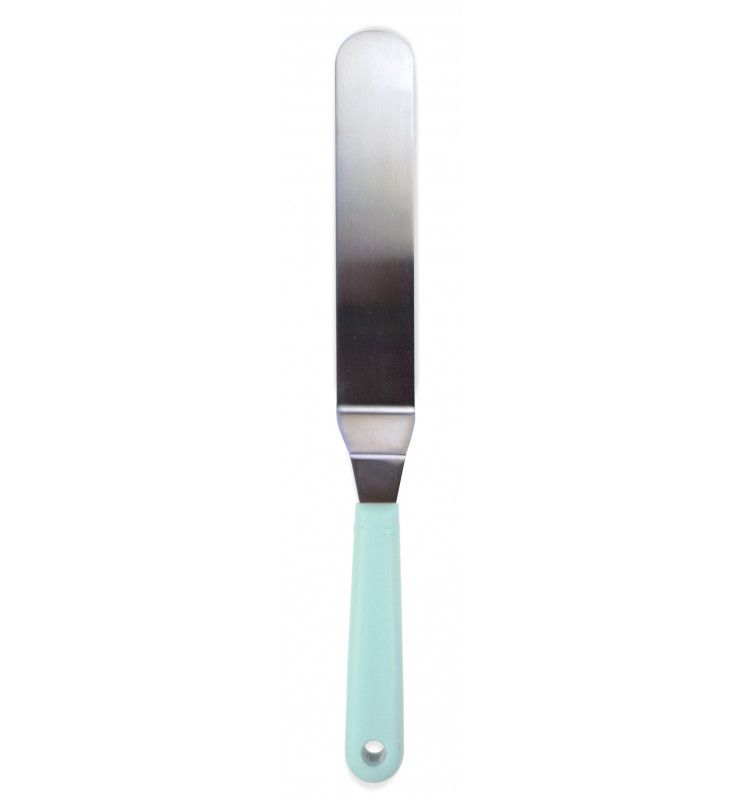
Angled spatula
Use it to move the glazed dessert without damaging the glaze.
03Temperature and consistency
You will find our recipe for the mirror glaze with all the steps on the blog.
Why 103 °C?
At this temperature the sugar and glucose syrup dissolve optimally, the glaze gets the right thickness, binds well with the gelatine and holds perfectly when poured.
Glaze too thick
A slightly viscous glaze is normal, as it needs to hold. If it barely flows any more, it is too cold, not mixed enough, made with eating chocolate or has too much gelatine.
Remedy
Pour at 30 to 32 °C, mix thoroughly, use couverture and weigh the gelatine precisely.
Why on a frozen dessert?
The temperature difference makes the glaze set immediately: it becomes smooth and glossy, and the dessert does not deform.
Air bubbles
Not mixed enough, the mixer moved up and down, or a closed stick blender was used.
Remedy
Keep the open stick blender calmly at the bottom. Briefly remove bubbles on the dessert with the culinary torch.
04Frequently asked questions
Powdered or leaf gelatine?
Both work. With leaf gelatine the glaze becomes slightly more gelatinous.
Milk or dark couverture?
Quantities and temperatures stay the same, but the colour will be less intense than with white couverture.
How do you make it snow white?
With the bleaching agent Super White.
Can I flavour it?
Yes, with liquid aroma, but dose it carefully and test beforehand. Fruit puree changes the entire base recipe, and we do not have a recipe for that.
Wait about 3 minutes until the glaze no longer runs. Never refreeze a glazed dessert: it will get bubbles and a matt surface.
Storing and reusing
| Where | Shelf life | Reusing |
|---|---|---|
| Refrigerator | up to 7 days, airtight | warm to 30 to 32 °C and mix |
| Freezer | up to 6 months | thaw for a few hours, then use as chilled |
Is a cocoa glaze also a mirror glaze?
Yes, just without glucose syrup, as in our Tonka chocolate bûchettes.
Leave a comment