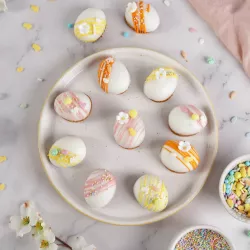
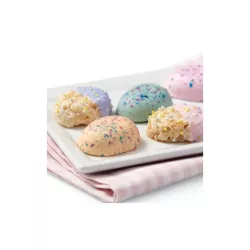
Welcome to our world of plastic chocolate, chocolate molds and all the equipment you need to create spectacular chocolate pieces. Whether you want to model realistic flowers, dress a cake in a smooth, gourmet coating or make Easter eggs and bunnies, you'll find the right ingredients and tools for every project at Cakelicious.
What is plastic chocolate?
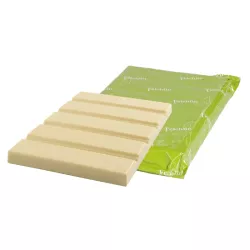
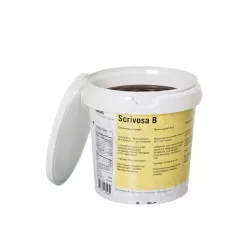
Plastic chocolate, also known as chocolate modelling paste or chocolate plastic, is a soft paste obtained by mixing melted chocolate (dark, milk or white) with glucose syrup. The result is a malleable mass, comparable to sugar paste, but with an authentic chocolate taste. Plastic chocolate can be worked by hand: kneaded, rolled, cut with a cookie cutter or sculpted to create three-dimensional decorations.
This chocolate modelling technique is very popular with professional pastry chefs and cake designers in French-speaking Switzerland, as it offers an elegant finish and incomparable taste. Unlike classic fondant, plastic chocolate does not crack easily and retains a pleasant texture in the mouth.
Plastic chocolate vs. sugar paste: what's the right choice for your cakes?
Many pastry chefs hesitate between plastic chocolate and sugar paste to cover and decorate their creations. Here are the main differences:
- Taste: plastic chocolate has a rich chocolate flavor, while sugar paste is essentially sweet and neutral. For cocoa lovers, the choice is quickly made.
- Texture and suppleness: plastic chocolate paste is naturally supple and warms up easily in the hand. Sugar paste can become sticky in wet weather, or hard if it dries too quickly.
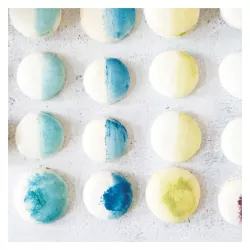
- Color: sugar paste is easily colored in any shade. White plastic chocolate can be tinted with fat-soluble chocolate colorants, but the shades remain softer. Dark or milk plastic chocolate naturally offers elegant brown tones.
- Use: both are suitable for covering cakes and modeling figurines. Plastic chocolate excels for roses, ribbons, bows and drapes, thanks to its natural suppleness.
In short, if you're looking for an alternative to sugar paste with a real chocolate taste and a pleasant texture, plastic chocolate is the ideal solution.
How to make homemade plastic chocolate?
Making your own chocolate plasticine is surprisingly simple. Here's the basic recipe:
- Ingredients: 200 g couverture chocolate (dark, milk or white) and 80 g glucose syrup (adjust to 100 g for white chocolate).
- Step 1: Melt the chocolate in a bain-marie or microwave at 40-45°C. Slightly warm the glucose syrup.
- Step 2: Pour the glucose syrup into the melted chocolate and gently stir with a spatula until smooth. Don't overwork the dough at this stage.
- Step 3: Roll out the dough between two sheets of cling film, then leave to rest for at least 2 hours at room temperature (or overnight in the fridge).
- Step 4: Knead the dough before use to make it supple. If it's too hard, reheat it for a few seconds in the microwave. If it's too soft, let it rest in a cool place.
Plastic chocolate can be stored for several weeks, wrapped in cling film and protected from light and humidity. For best results, use quality couverture chocolate such as Valrhona or Callebautbrands, available in our store.
Tutorials and ideas for plastic chocolate modelling
Plastic chocolate modelling opens up a huge creative field. Here are a few popular examples to inspire you:
- Roses and flowers: spread plastic chocolate thinly, cut out petals and assemble them to create strikingly realistic roses. This technique is ideal for decorating a wedding cake or birthday cake.
- Ribbons and bows: cut regular strips and form elegant curls. Plastic chocolate holds its shape perfectly once applied.
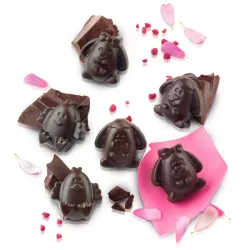
- Figurines and characters: sculpt animals, characters or decorative elements in 3D. Chocolate paste lends itself to fine modeling thanks to its plasticity.
- Cake covering: roll out plastic chocolate and cover your cake for a smooth, delicious finish, a tasty alternative to fondant.
To make a success of your decorations, make sure you have the rightchocolate utensils: modelling tools, smoothers, cookie cutters and non-stick work mats.
Chocolate molds: eggs, bunnies and creative shapes
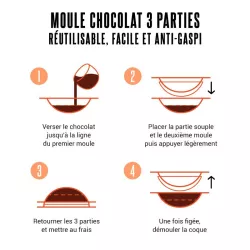
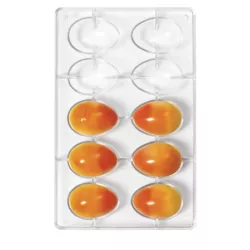
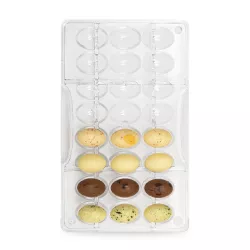
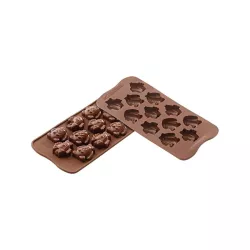
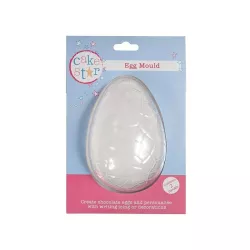
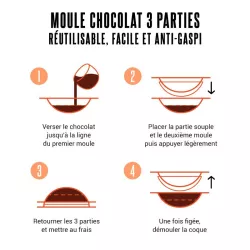
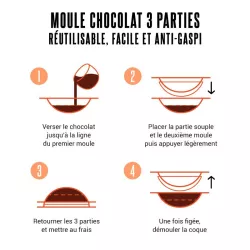
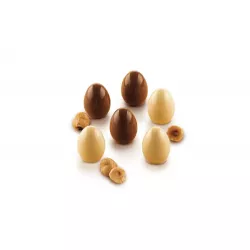
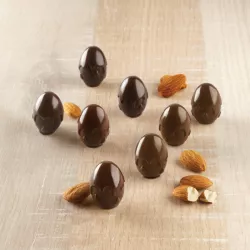
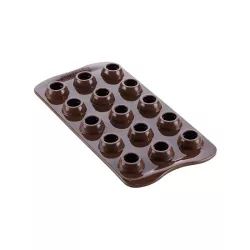
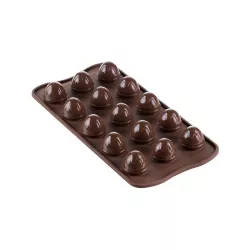
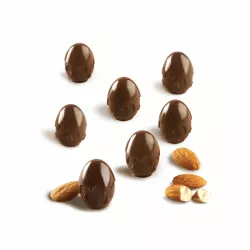
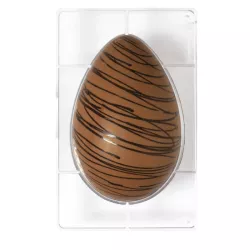
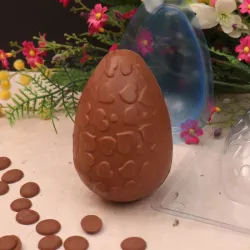
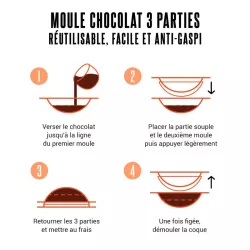
In addition to plastic chocolate, chocolate molds are indispensable for making molded pieces. Moulding consists in pouring tempered couverture chocolate into a mould to produce hollow shells or solid subjects. At Cakelicious, you'll find :
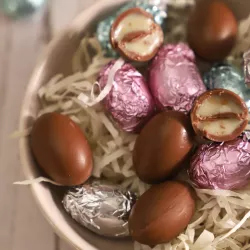
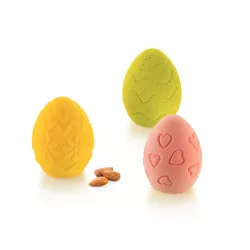
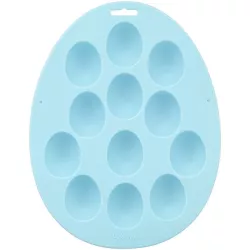
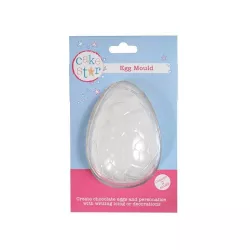
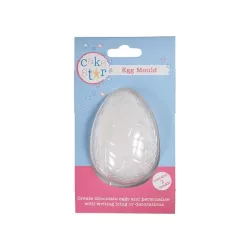
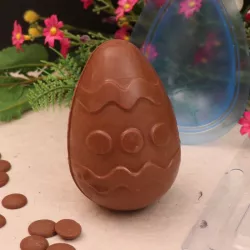
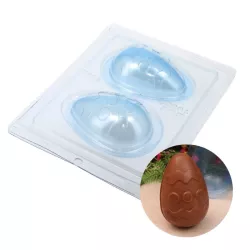
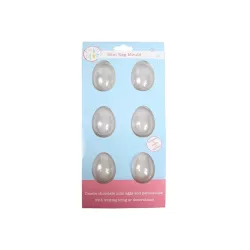
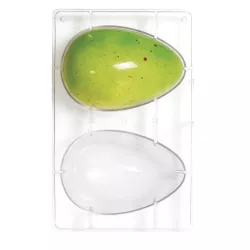
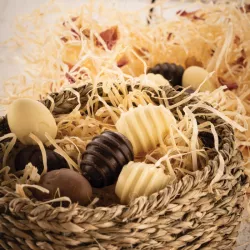
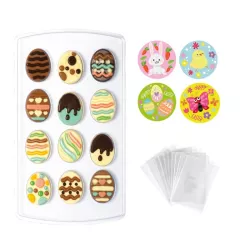
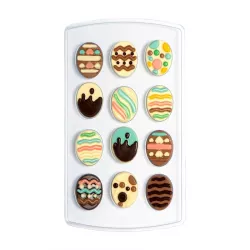
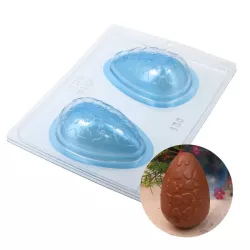
- Easter egg molds in all sizes, from mini-eggs to 1 kg.
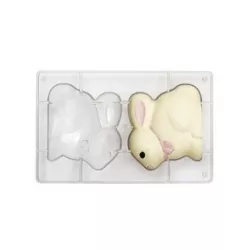
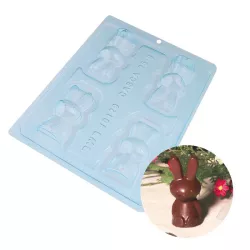
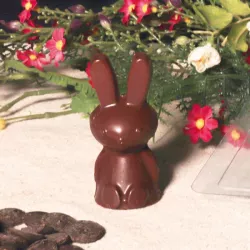
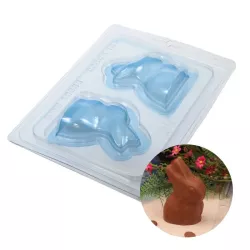
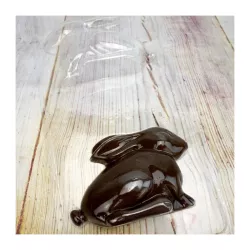
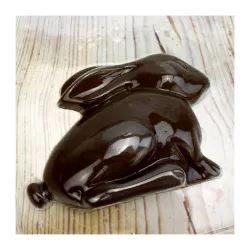
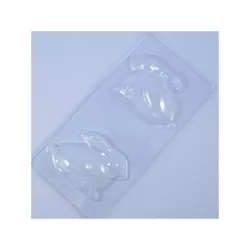
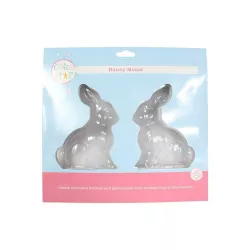
- Easter bunny molds in polycarbonate or thermoformed plastic.
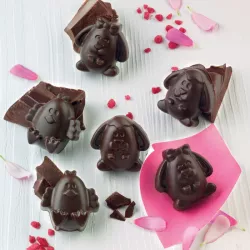
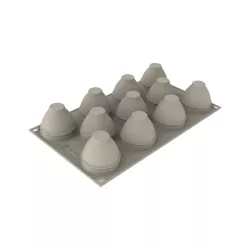
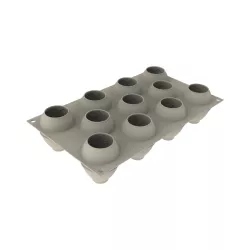
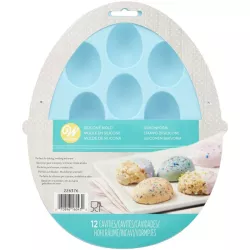
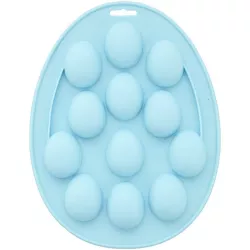
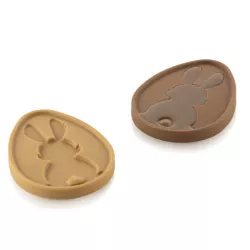
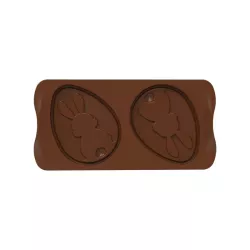
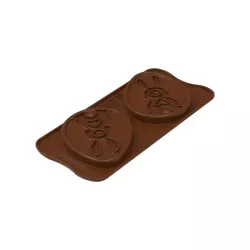
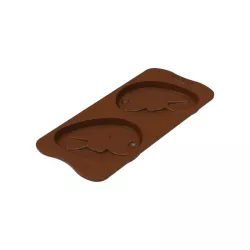
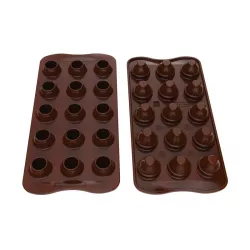
- Silicone molds for original shapes and easy removal from the mold.
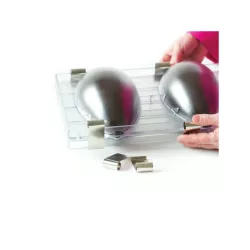
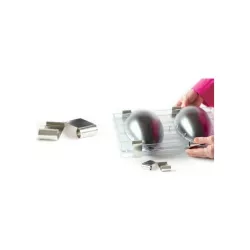
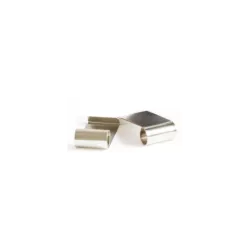
Polycarbonate molds are the most professional: extremely resistant, they offer impeccable demolding and a natural shine to the chocolate. Thermoformed plastic molds are an excellent option for beginners or occasional use. Don't forget that to make a complete 3D subject (whole egg, standing rabbit), you'll need two half-molds and clamps.
Which covering chocolate to choose?
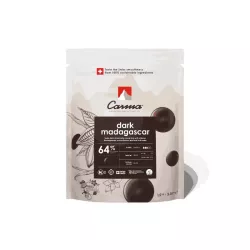
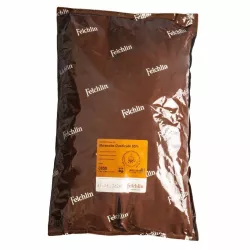
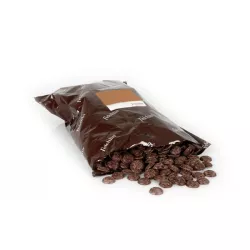
Whether you're making plastic chocolate or molding it, the quality of the couverture is crucial. This chocolate, rich in cocoa butter, melts smoothly and crystallizes perfectly during tempering. Our assortment includes Valrhona and Callebautbrands, essential references for professionals:
- Dark chocolate: intense and deep, ideal for contrasting decorations and full-bodied plastic chocolate.
- Milk chocolate: soft and creamy, perfect for palates that prefer roundness.
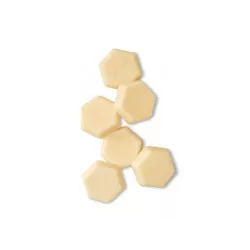
- White chocolate: neutral in color, it is easily tinted with liposoluble colorants for a colorful plastic chocolate.
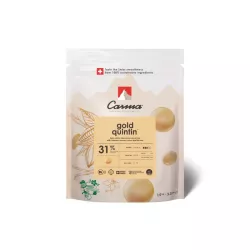
- Gold/caramelized chocolate: an original cookie note to surprise your guests.
Decorations, packaging and accessories
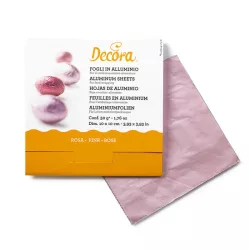
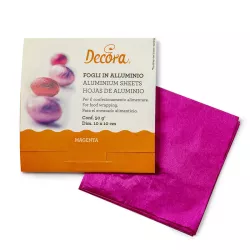
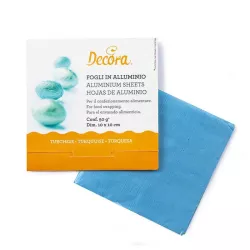
To enhance your plastic chocolate creations or moldings, explore our chocolate decorations: printed transfers, edible glitter, crunchy pearls and much more. When it comes to presentation, our chocolate boxes and colored aluminum foil turn your confections into elegant gifts. Also check out our chocolate recipes for step-by-step tutorials.
Frequently asked questions about plastic chocolate
What's the difference between plastic chocolate and modeling ganache?
Plastic chocolate is made from chocolate and glucose syrup, giving it a firm, malleable texture ideal for modeling decorations and covering cakes. Modeling ganache contains cream and is softer, serving mainly as a filling or underlay. Plastic chocolate holds its shape better and keeps longer at room temperature.
Can plastic chocolate be colored?
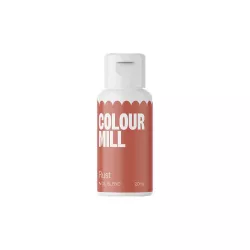
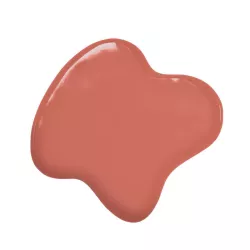
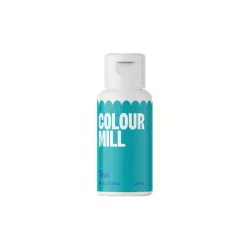
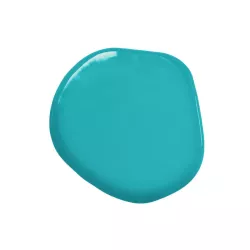
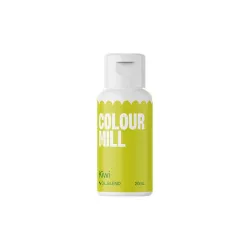
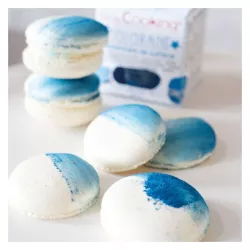
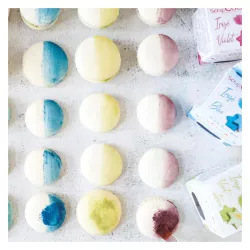
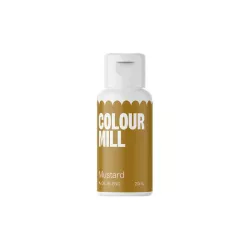
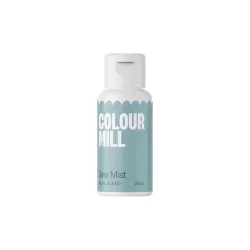
Yes, as long as you use fat-soluble (oil-based) colorants, as chocolate doesn't tolerate water. Start with white plastic chocolate to obtain bright colors. Fat-soluble powder colorants or Colour Mill colorants are ideal.
How long will plastic chocolate keep?
Wrapped in cling film and stored in a cool, dry place (15-18°C), plastic chocolate will keep for up to 4-6 weeks. Avoid prolonged storage in the refrigerator, as humidity can cause condensation and alter the texture.
Can plastic chocolate be used to cover an entire cake?
Absolutely. Plastic chocolate can be rolled out like sugar paste to cover a cake for a smooth, elegant finish. Its major advantage: an authentic chocolate taste that your guests will appreciate, unlike classic fondant which is often considered too sweet.
Where can I buy couverture chocolate in Switzerland to make plastic chocolate?
At Cakelicious.ch, we offer a wide range of Valrhona and Callebautcouverture chocolates, delivered quickly throughout Switzerland. You'll also find glucose syrup and all the utensils you need to make your own plastic chocolate.
Recipe ideas on our blog: Easter Chocolate Recipes.