Cutter
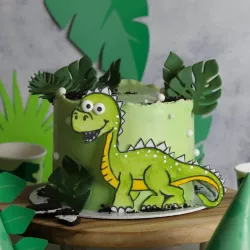
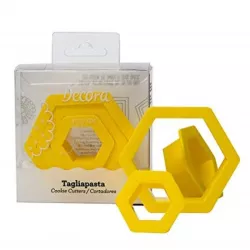
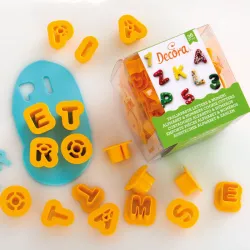
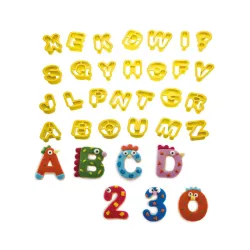
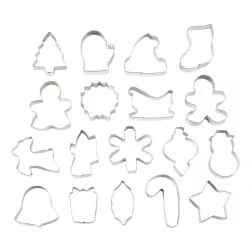
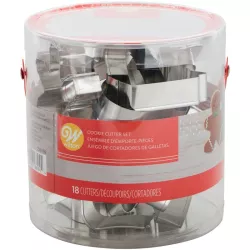
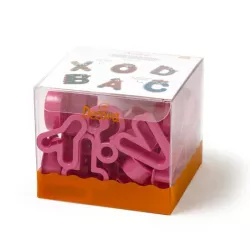
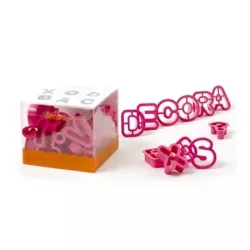
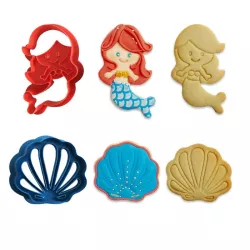
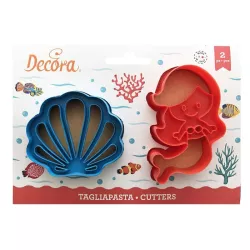
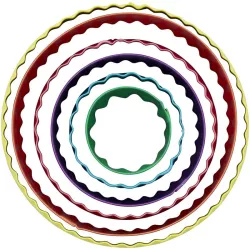
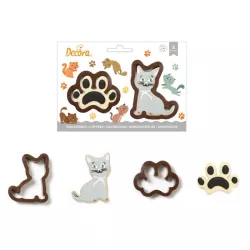
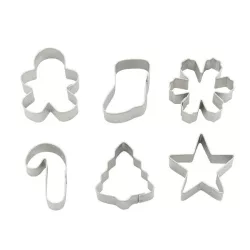
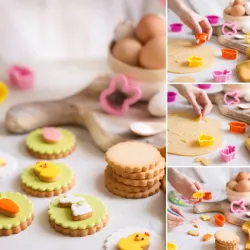
The right cookie cutters turn a sheet of rolled-out dough into a tray of even biscuits, cake decorations or fondant and marzipan figures in minutes. In this category you will find cutters in classic shapes such as stars, hearts and circles, motifs from dinosaurs and tractors to llamas and foxes, Linzer and Spitzbuben cutters, letters and numbers, plus plunger and embossing cutters. Here are the key differences to help you choose.
Stainless steel or plastic: which material suits you?
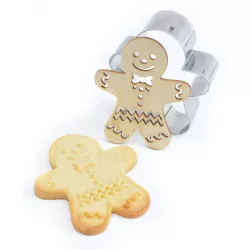
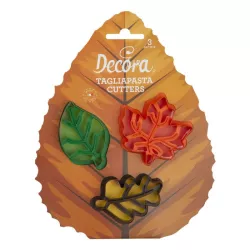
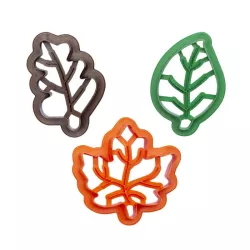
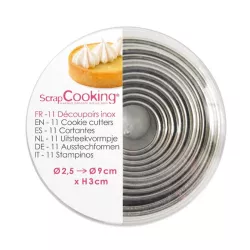
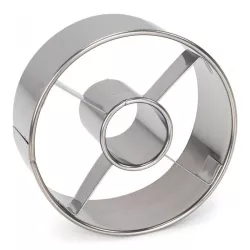
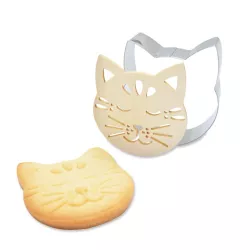
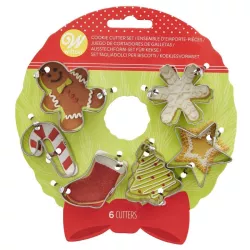
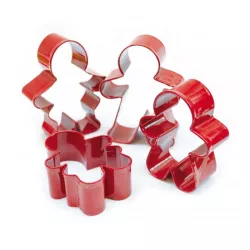
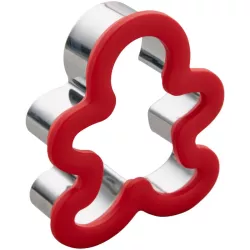
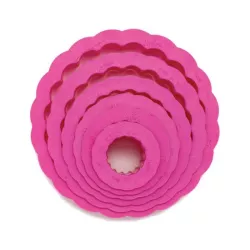
Stainless steel cookie cutters have a thin, sharp cutting edge. They cut cleanly through firm shortbread or gingerbread dough and keep their shape for years. Look for a rolled or folded top edge, which protects your palm as you press. Plastic cutters are lighter, with a wider, blunter top, which makes them well suited to children's hands. They are often more detailed and emboss an inner design into the dough at the same time. Plastic is less heat-resistant, however, and can warp in very hot water.
Plunger cutters, embossing and biscuit moulds
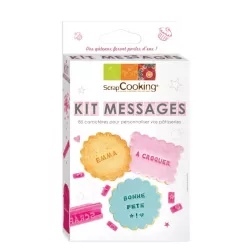
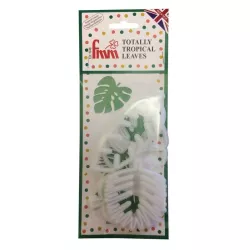
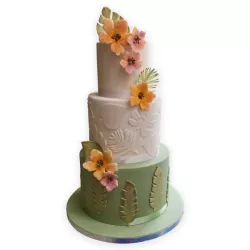
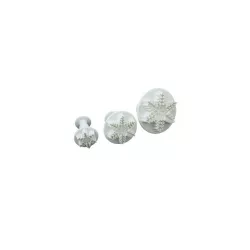
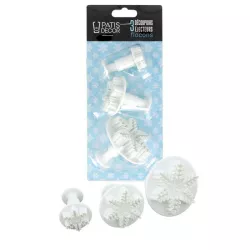
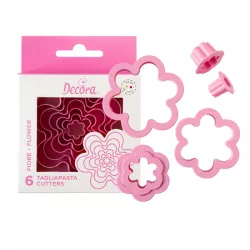
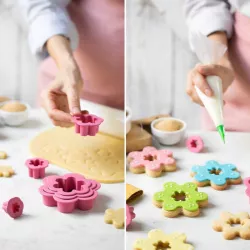
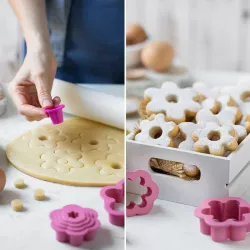
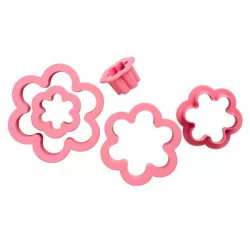
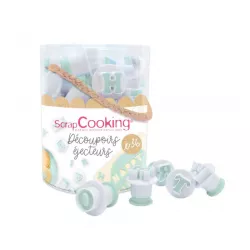
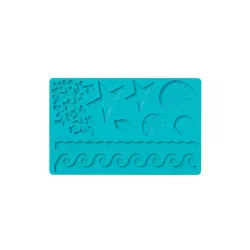
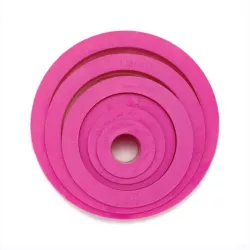
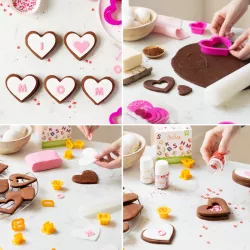
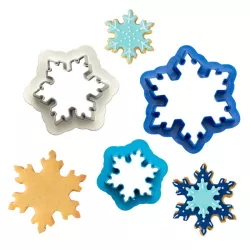
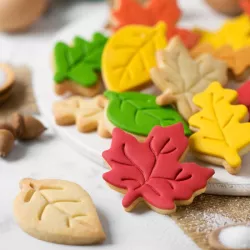
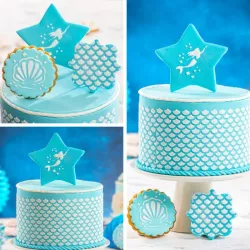
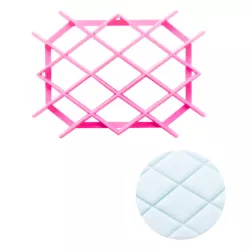
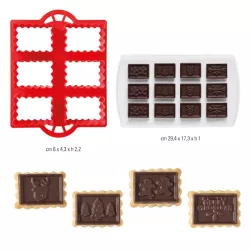
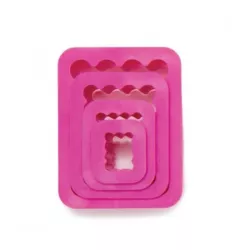
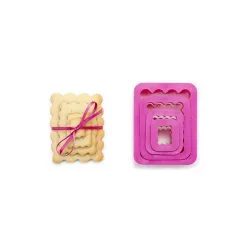
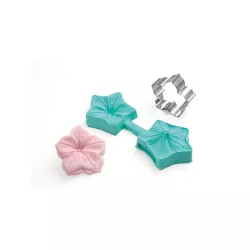
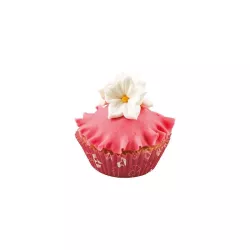
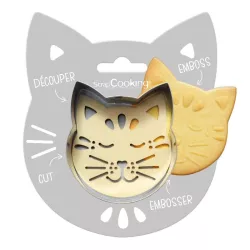
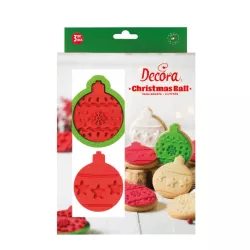
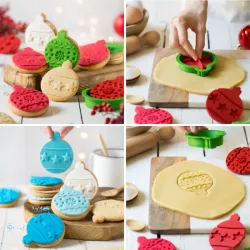
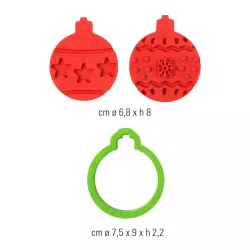
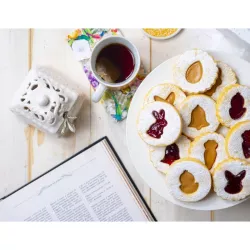
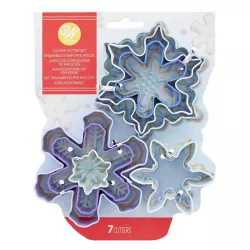
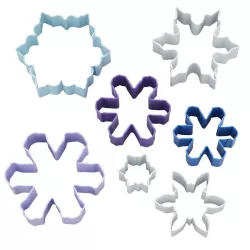
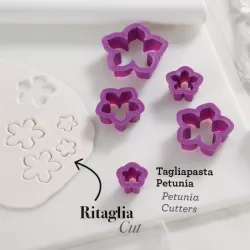
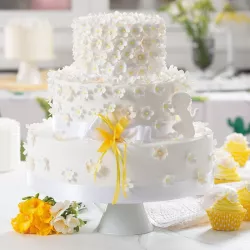
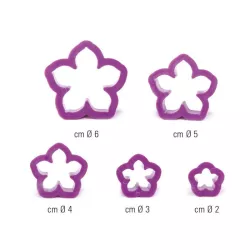
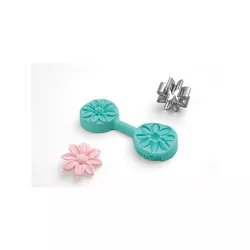
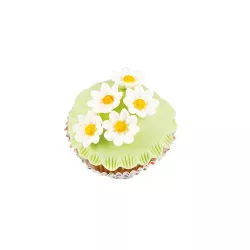
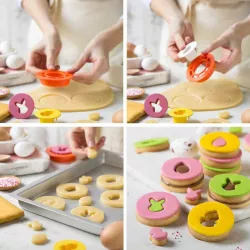
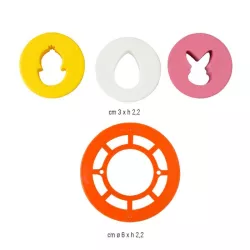
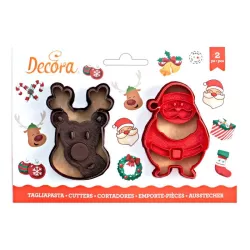
A plunger cutter has a built-in stamp that pushes the cut piece out cleanly, often embossing a pattern as it does so – ideal for small, delicate shapes such as snowflakes or blossoms that would otherwise stick inside the cutter. Embossing cutters mark outlines like eyes, fur or lettering that you can then trace with royal icing. For Linzer biscuits and Spitzbuben there are sets with an outer ring and a small inner shape, so the top and base line up exactly. For traditional Swiss aniseed biscuits (Änisbrötli) you use carved biscuit moulds: the image is pressed into the dough, which then dries before baking. Mini cutters and multi-size petal sets are perfect for cake decorations in fondant, flower paste or marzipan.
Tips for clean cut-outs
- Chill the rolled dough for 20–30 minutes: cold dough tears less and holds its shape in the oven.
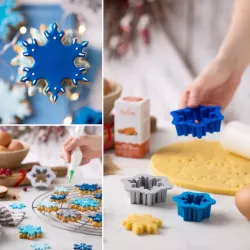
- Dip the cutter in flour before every cut – in icing sugar or cornflour for fondant and marzipan.
- Press straight down without twisting to keep the edges sharp.
- Roll the dough to an even thickness (about 3–5 mm) so all the biscuits bake at the same rate.
- Cut the shapes close together and re-roll the scraps only once.
Frequently asked questions about cookie cutters
Can cookie cutters go in the dishwasher?
We recommend washing them by hand in lukewarm water with a soft brush. Dry stainless steel thoroughly to prevent marks, and avoid very hot water for plastic. Please also check the details in each product description.
What size is best for biscuits?
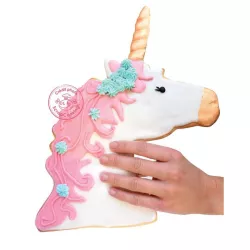
For classic Christmas biscuits, 4–6 cm works well. Shapes of 8 cm and above are ideal for decorating with royal icing or giving as gifts; mini cutters under 3 cm are for cake decorations and Linzer tops.
Can I use cookie cutters for fondant?
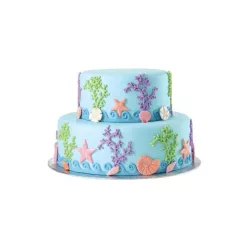
Yes. Roll fondant or marzipan out thinly (1–3 mm) and dust the cutter with cornflour. For fine shapes, a plunger cutter helps release the piece without distorting it.
You may also like: Christmas cookie cutters, aniseed biscuit moulds, bake your own biscuits and royal icing.