Free shipping on orders of CHF 150 or more
Order by 4:00 p.m. - Next business day delivery
Over 8,000 products
Online shop only, no store
Free shipping on orders of CHF 150 or more
Order by 4:00 p.m. - Next business day delivery
Over 8,000 products
Online shop only, no store
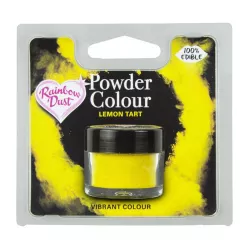
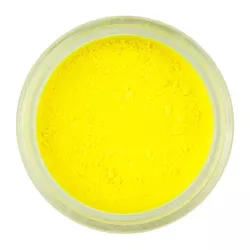
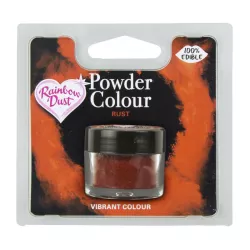
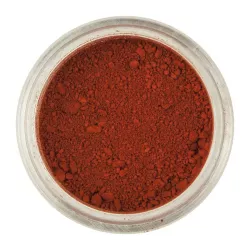
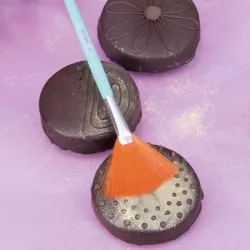
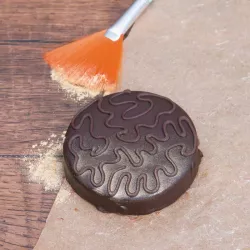
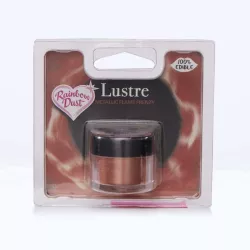
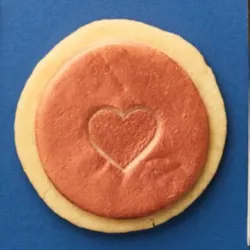
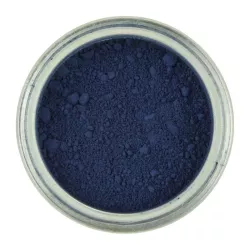
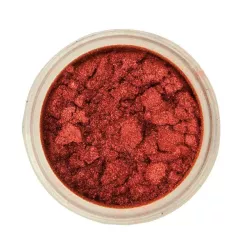
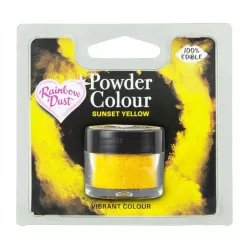
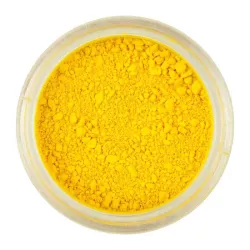
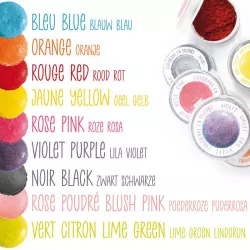
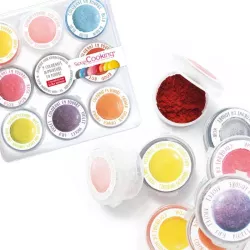
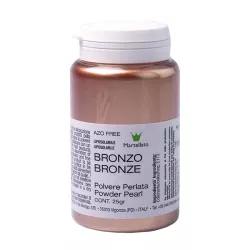
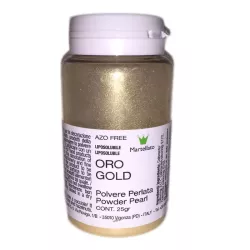
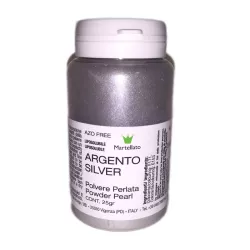
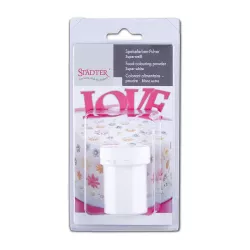
Food colouring powder is the most versatile way to add colour to sugar flowers, modelled figures, fondant and bakes. Here you will find our colourful powders in many beautiful shades: classic powder colours such as red, yellow, orange, sea blue, lavender or milk chocolate, intense dusts such as burgundy, Chili Red, Black Magic and Royal Blue, a wide choice of natural powder colours and metallic and glitter colours in gold, silver and bronze. The powders are suitable for food use, and many of them are also certified kosher. You can use them dry or wet, depending on the effect you want to achieve.
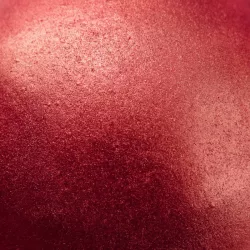
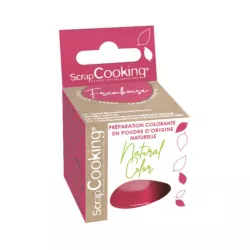
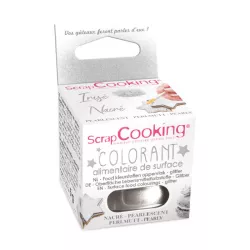
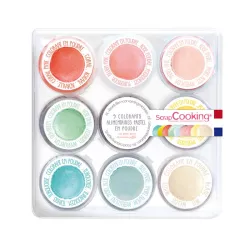
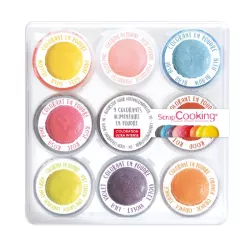
Under Natural food colouring you will find soft shades with names like sage, terracotta, apricot, nude, denim, chestnut or emerald green, ideal for modern cakes in muted tones. If you want to try several shades at once, choose the set of 9 natural food colouring powders or the 9-piece powder colour assortment. The Matt powder colours range delivers rich colour without shine, while metallic dusts such as gold, dark gold, bronze, silver-white shimmer or Metallic Raspberry Velvet add elegant accents. Glitter surface colours in silver, gold and violet make details sparkle.
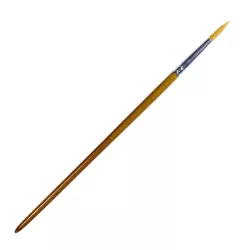
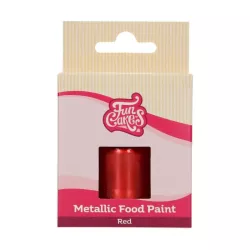
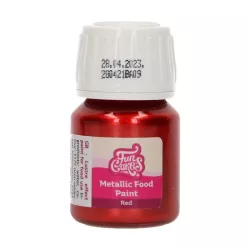
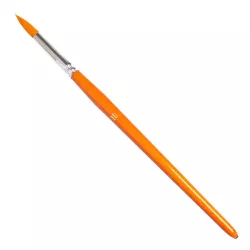
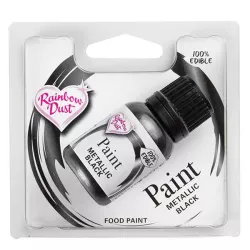
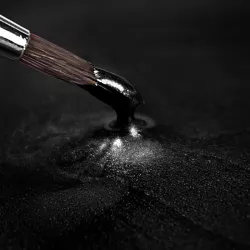
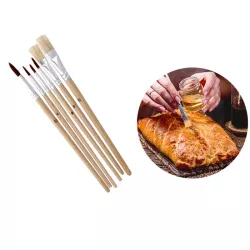
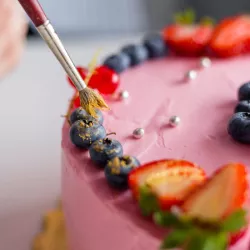
First think about what you need the colour for. For fine shading on sugar flowers, small pots are enough, such as the 2 g dusts. For metallic effects on larger surfaces, a liquid colour such as metallic gold or metallic ruby red is a practical addition. Good tools are just as important: under Brushes & accessories you will find brush sets, fine food brushes, blush brushes and the no. 5 decorating brush for fine details. Use a clean, dry brush for each colour so the shades stay clean, and close the pots tightly after use.
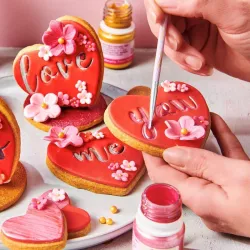
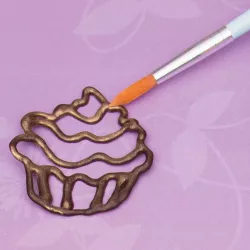
Dry, it is ideal for soft transitions and shading on dried flowers or figures. Dissolved in alcohol, it covers more strongly and is perfect for painting patterns, lettering and outlines.
The natural powder colours offer rather soft, muted shades for a natural look. The classic powder colours and dusts give strong, bright colours such as royal blue, Holly Green or Chili Red.
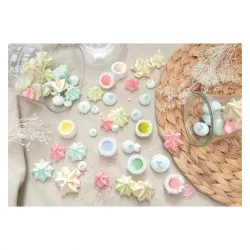
Yes, powder is especially handy for macarons and meringues because it adds no extra liquid to the mixture. Add the colour little by little until you reach the shade you want.
Discover other types of colouring, such as gel and liquid colours, in our Food colouring overview. Have fun decorating!