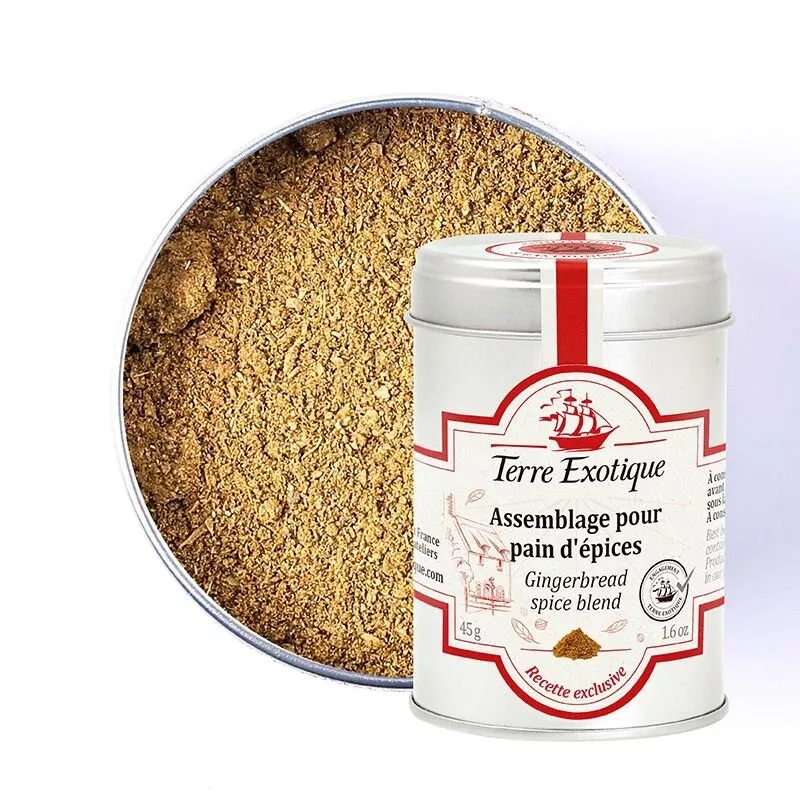
Gingerbread spice, 60 g
Price:
CHF8.90
VAT included
Product in stock
more than 30 pieces available
Product Features
| Ingredients | cinnamon, green anise, fennel, coriander, ginger, clove, green cardamom, nutmeg, black pepper |
|---|---|
| Product Gluten free | Yes |
| Product Lactose free | Yes |
| Product suitable for vegetarians | Yes |
| Filling quantity | 60 g |
| Vegan product | Yes |
| Allergens | May contain traces of celery, sesame, mustard and nuts |
| Storage note | Store in a cool and dry place |
| Country of production | France |
| Product is halal certified | No |
| Product is kosher certified | No |
Gingerbread spice, 60 g
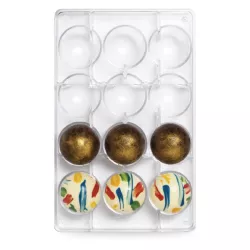
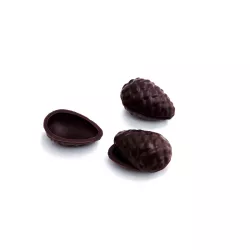
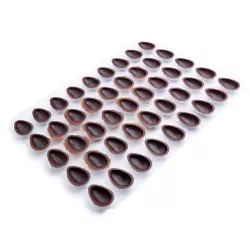
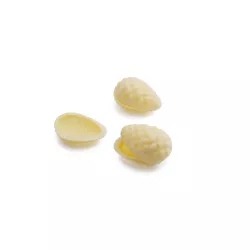
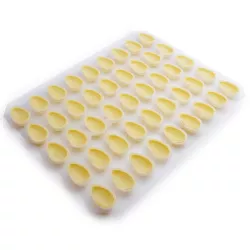
Mix some gingerbread spice into the matching Guetzli dough or into a dish, for example a Moroccan tajine, for an incredible variety of flavors. Cinnamon, coriander, aniseed, nutmeg, star anise, cloves and allspice are mixed in the perfect proportions to create a really fine blend for all your creations. The best known is of course the speculaas itself, but there are many other possible uses and combinations. Application Spiced chocolates: 30 hollow praline shells or hollow balls, 70 g full cream, 1-2 pinches gingerbread spice, 140 g dark couverture. Boil the spice together with the cream. The spice should always be boiled first and not simply added. Pour the mixture over the couverture drops, wait briefly and then stir slowly until there are no more pieces. Then pour the ganache into a piping bag. Once it has cooled slightly, you can fill the hollow praline shells with it and then seal and decorate them with a little tempered couverture. You can also use the powder to add the perfect spice to other delicacies. Roll fresh churros in a mixture of sugar and gingerbread spice or add some of the powder to a stewed apple. Once this is cooked and cooled, you can layer it in glasses with a light quark or yoghurt cream and some crushed biscuits or ladyfingers. This is how you create a delicious winter dessert. Historical digression: According to current knowledge, the ancestor of gingerbread comes from China. It is said to have its origins in "Mi-Kong", a honey bread that was used as rations by Genghis Khan's army during the conquest of China in the 12th century. The recipe was then passed on from the Chinese to the Arabs, and it was only later, during the Crusades, that people living in the West became familiar with it. They brought the recipe and the spices to Europe. Today, the small cake is a classic in Belgium, Germany, Holland, northern France and Switzerland.Product Name & Allergy Information
| Description | Spice blend |
|---|---|
| Eggs and egg products | Does not contain |
| Peanuts and peanut products | Does not contain |
| Fish and fish products | Does not contain |
| Cereals and cereal products containing gluten | Does not contain |
| Crustaceans and crustacean products | Does not contain |
| Lupine and lupine products | Does not contain |
| Milk and dairy products | Does not contain |
| Milk sugar (lactose) | Does not contain |
| Nuts and nut products | May contain |
| Sulphur dioxide and sulphites | Does not contain |
| Celery and celery products | May contain |
| Mustard and mustard products | May contain |
| Sesame seeds and sesame seed products | May contain |
| Soy and soy products | Does not contain |
| Molluscs and mollusc products | Does not contain |
Nutritional Information / 100 g
| Energy (kJ) | 1243 kJ |
|---|---|
| Energy (kcal) | 297 kcal |
| Fat | 12.30 g |
| of which saturates | 1.90 g |
| Carbohydrate | 30.40 g |
| of which sugars | 6.70 g |
| Protein | 11.10 g |
| Salt | 0.10 g |