Free shipping on orders of CHF 150 or more
Order by 4:00 p.m. - Next business day delivery
Over 8,000 products
Online shop only, no store
Free shipping on orders of CHF 150 or more
Order by 4:00 p.m. - Next business day delivery
Over 8,000 products
Online shop only, no store
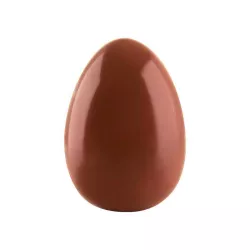
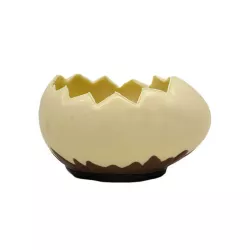
Easter is the perfect time to make beautiful homemade chocolate eggs. Whether you're an amateur or a professional pastry chef, the pleasure of molding, decorating and offering a handmade chocolate egg is incomparable. At Cakelicious.ch, we offer you a complete selection of chocolate molds, chocolate couvertures and decoration accessories to transform your kitchen into a veritable chocolate workshop. From the small surprise egg to the majestic kilo egg, each creation becomes a unique gift, far more tasty and personal than industrial chocolates.
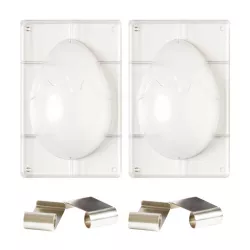
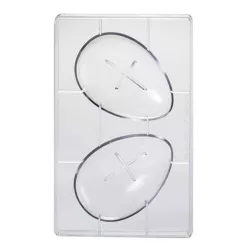
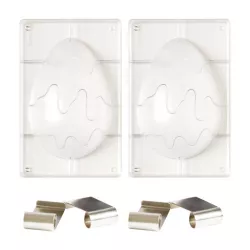
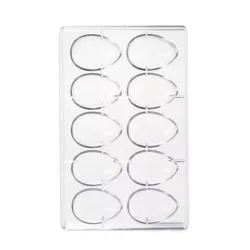
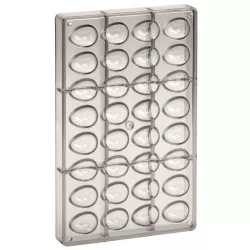
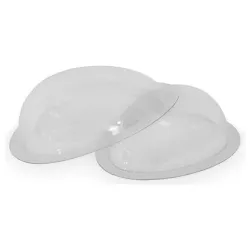
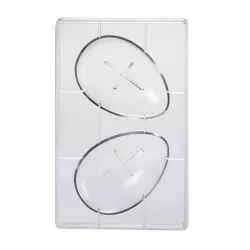
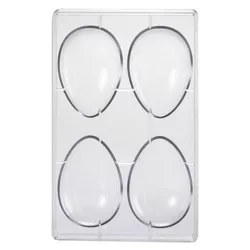
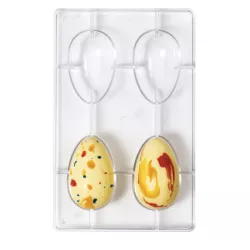
Choosing the right mould is the first step to making a success of your chocolate eggs. Several criteria come into play: material, size and type of closure.
In terms of size, our range covers every need: from mini Easter eggs perfect for an egg hunt, to 1 kg molds for a spectacular centerpiece on your festive table.
For a chocolate egg that's shiny, crunchy and comes out of the mold without a hitch, tempering is an essential step. This technique involves bringing the couverture chocolate to precise temperatures to stabilize the cocoa butter and achieve optimum crystallization.
Here are the tempering curves to follow, depending on the type of chocolate:
To check your tempering, place a pinch of chocolate on a sheet of parchment paper: it should set in 3 to 5 minutes, with an even, satiny appearance. Poorly tempered chocolate will show white streaks (fat whitening) and will be difficult to unmold. We recommend using a kitchen thermometer for precise control. With the right tempering, your chocolate eggs will have that characteristic "crack" when tasted, which makes all the difference.
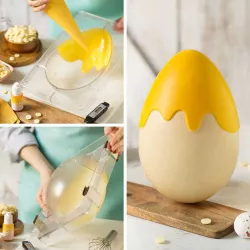
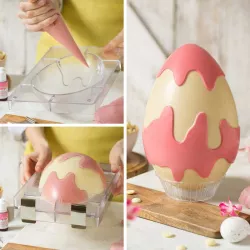
Anyone can make a beautiful homemade chocolate egg. Here's the complete method:
For a surprise egg, slip in a plastic capsule containing a small toy or message before assembling the shells. Kids love it!
A hollow chocolate egg is delicious. But a garnished egg is irresistible! Here are some ideas for toppings to surprise your loved ones this Easter:
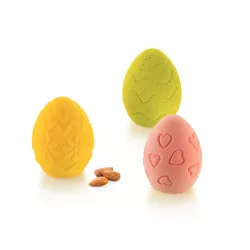
For the outer finish, use our Easter decorations: sugar decorations, chocolate transfers, or our colorful chocolate pens to draw patterns, stripes and personalized messages directly on the shell.
What could be more magical for children than an Easter egg hunt with homemade chocolates? Create chocolate eggs in a variety of sizes using our different molds, wrap them in colorful aluminum foil available in magenta, blue, pink, green, red or silver, and hide them in the garden or around the house. For the little ones, prepare Easter egg kits that are easy to make together. Suggest a family decorating challenge: who will create the most beautiful egg? With plastic bases, your eggs will stand proud to be admired before being devoured.
The choice of chocolate is crucial to the success of your chocolate eggs. We always recommend couverture chocolate, which contains a high percentage of cocoa butter (minimum 31%). It's this richness in noble fats that ensures optimal tempering, easy demolding and that much sought-after mirror shine.
Discover our range of couverture chocolates: intense dark chocolate, creamy milk chocolate or smooth white chocolate. For colorful creations, opt for white chocolate tinted with our liposoluble food colorants, perfect for creating trendy pastel eggs. Avoid classic supermarket chocolates (low-end baking chocolate), which often contain substitute vegetable fats and give a dull, brittle result.
The key is to temper the chocolate correctly. Well-tempered chocolate naturally shrinks as it cools, making it easier to remove from the mold. Make sure your mold is perfectly clean and that the chocolate layer is thick enough (3-4 mm minimum). Leave to crystallize in the fridge for at least 20 minutes before unmolding.
It all depends on the use. For an egg hunt, prefer mini-molds and small formats (up to 250 g), which can produce several pieces. For a gift or table piece, opt for a 500 g to 1 kg mold. Our molds are available in sizes ranging from mini eggs to XXL kilograms.
Yes, a chocolate egg filled with ganache or praline keeps well for 5 to 7 days in a cool place (15-18°C), away from light and humidity. Avoid the refrigerator for prolonged storage, as condensation can dull the surface of the chocolate. Fresh fruit fillings should be used within 48 hours.
You'll need around 150-200 g of couverture chocolate for a 250 g mold (the weight indicated corresponds to the volume of the egg, not the quantity of chocolate required). For a 1 kg mold, allow around 500-600 g of chocolate. It's always best to temper more chocolate than you need to work comfortably.
Absolutely! Our polycarbonate and silicone molds are designed to last for many years. PVC thermoformed molds can be reused several times if handled with care. Simply clean them with lukewarm water and a soft cloth - never use abrasive products that could scratch the surface and compromise the brilliance of your future moldings.